



Piaggio hasn’t messed with the iconic looks of the latest Vespa Sprint Tech 150; that would be sacrilegious.
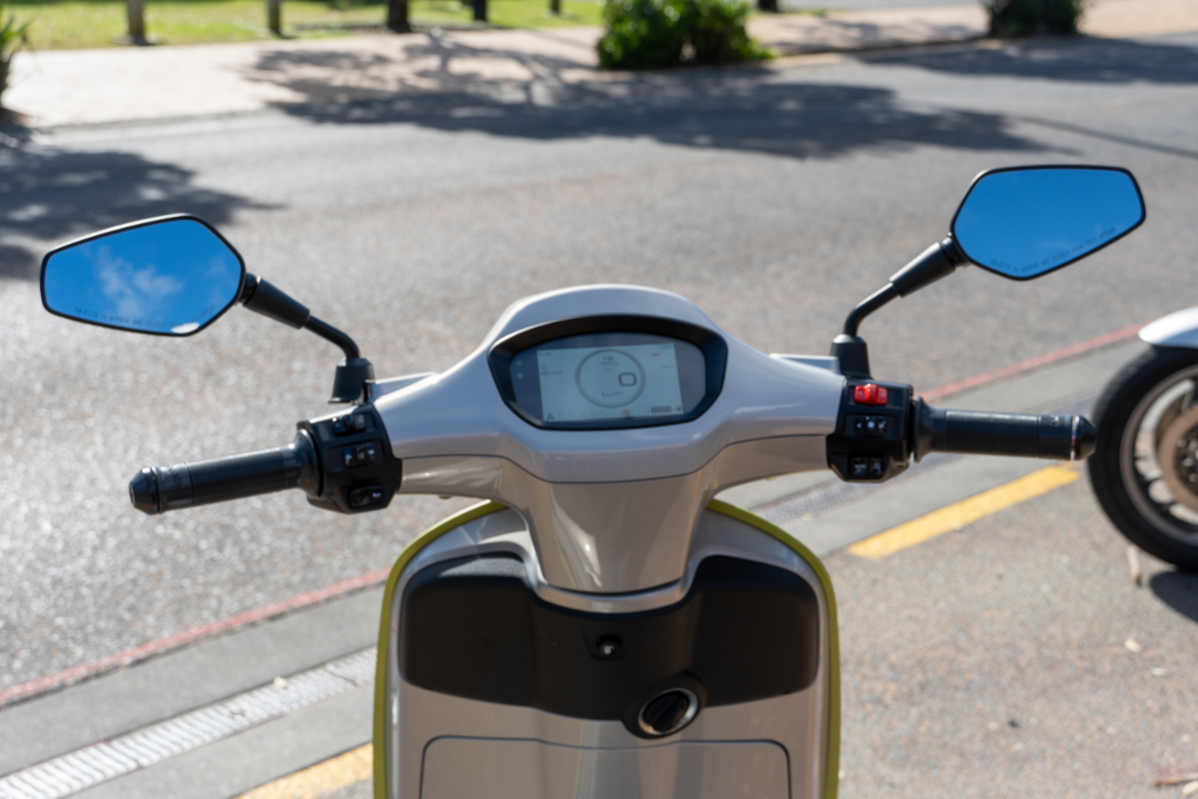
However, you soon find out that there’s a lot of new tech lurking beneath that familiar steel skin. There’s no longer a key ring tickling your knees as you ride, thanks to a new remote, the MIA digital rider interface now includes turn-by-turn navigation, and taking centre stage in the cockpit view is a large new 5-inch TFT screen that could have been lifted from a proper motorcycle from one of the Piaggio Group’s “normal” brands.
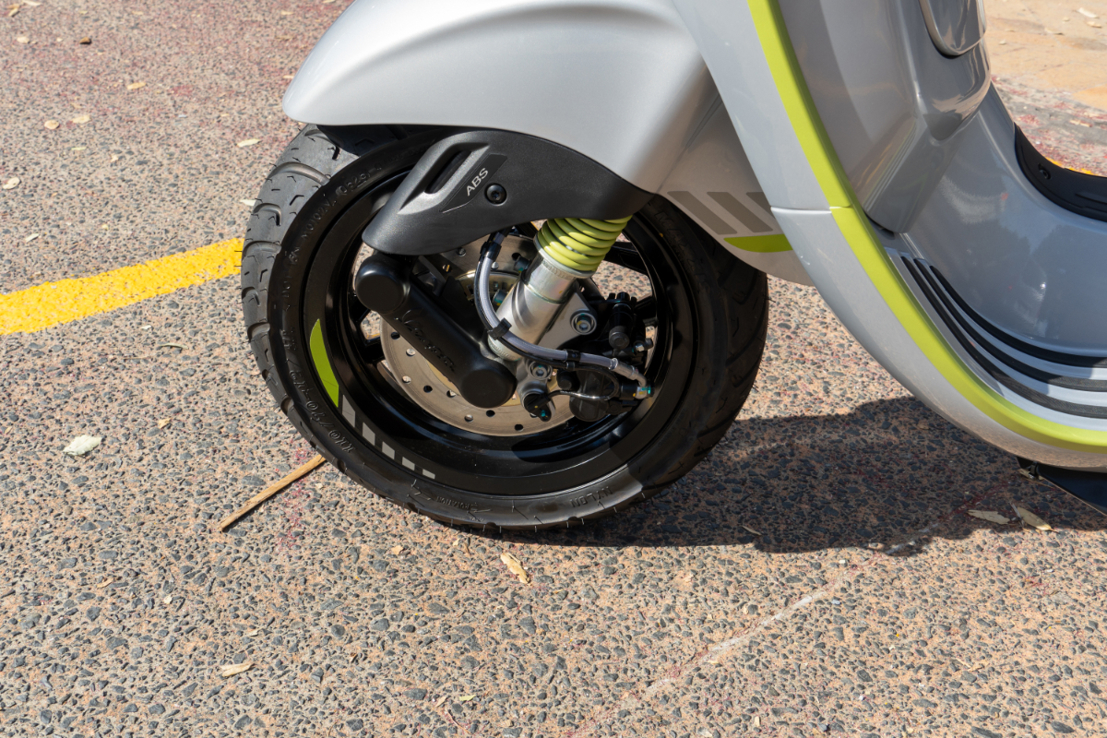
On the mechanical front, there’s an ABS-equipped rear disc brake replacing the previous non-ABS drum, the sweet and polite three-valve single-cylinder engine now meets Euro 5+ emission regs, and there’s a well-conceived sidestand that you never have to deploy, because levering the 150 up on the centre stand is pensioner’s play.
It all adds up to the next step in the evolution of a motor scooter that has stuck to the same steel body, backbone frame, design template since 1946.
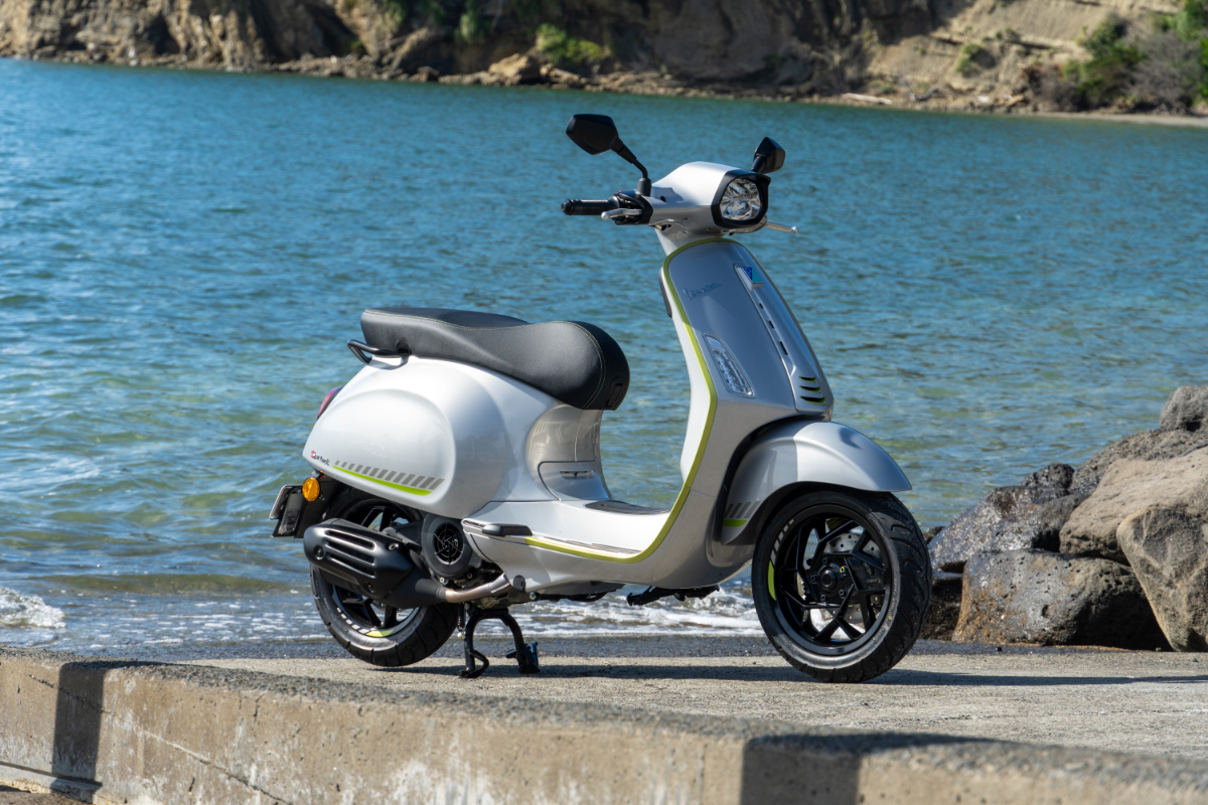
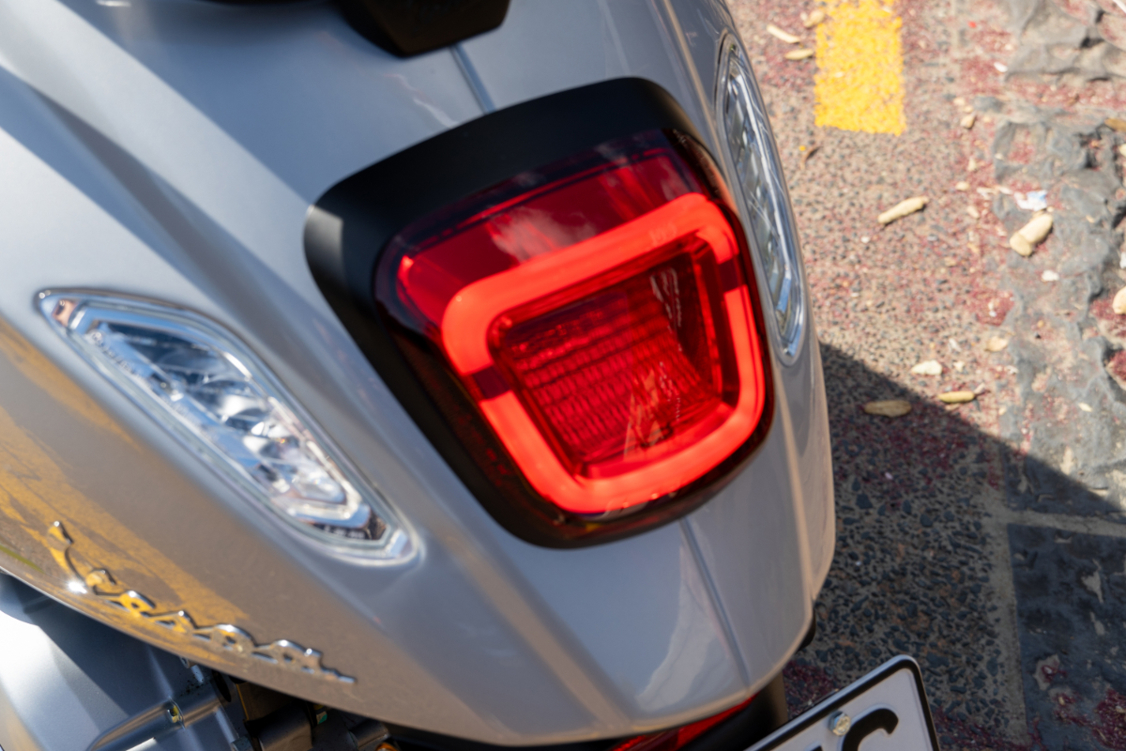
The “wasp abdomen” shape of the second half of the Vespa body has lasted just as long and still manages to look fresh. The lines are sharper now 79 years on, and this model’s blacked-out detailing and trapezoid headlight update the looks somewhat.
Turns out there’s a lot of new tech lurking beneath that familiar steel skin.
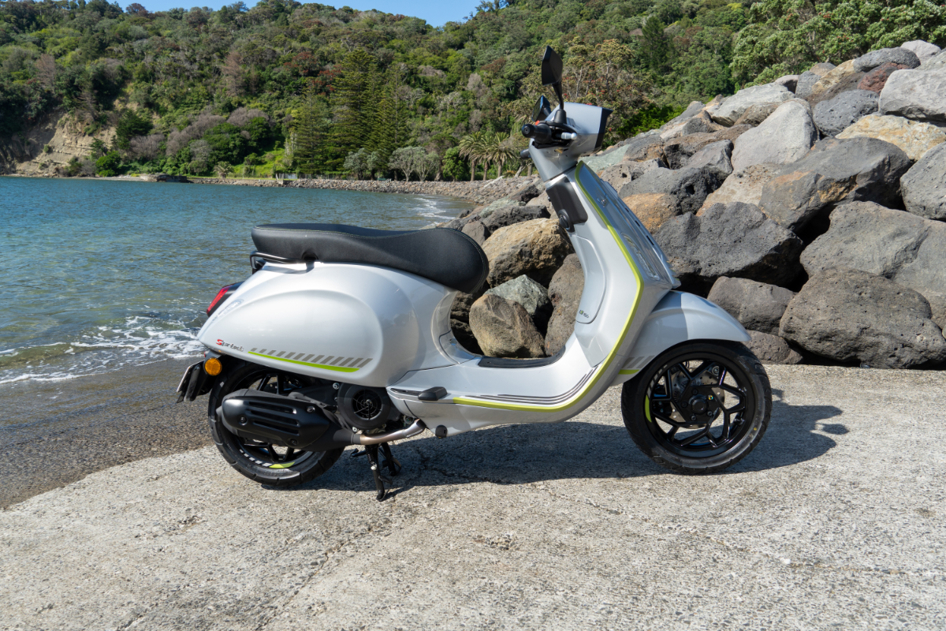
Cap it off with the Grey Entusiasta livery, with its day-glo green highlights, and you have a Vespa that immediately commands attention when parked outside a café.

The Sprint Tech 150 arguably goes as good as it looks. As a small-frame Vespa it’s lighter and easier to ride than the larger scoots from the brand. Using a single rear shock instead of two results in a further weight saving. The seat height may be 800mm, but the Sprint carries the majority of its mass low and never feels awkward to manoeuvre.
Adding to the impulsive fun experience of riding a Vespa is that you can ride one wearing just about anything.
Riding on 12in wheels and grippy Maxxis tyres, with a stubby 1340mm wheelbase and a generous steering lock, the Sprint is arguably the U-turn champion of the bike world. At higher speeds it corners like a road-racing bicycle equipped with suspension and more powerful brakes. The handling dynamic is so intoxicating, riding the Sprint Tech 150 is mentally therapeutic.
Just ask the traffic manager I chatted with while waiting at some road works recently. As an owner of another small-frame Vespa, he confirmed to me how chilled and satisfied his commuting makes him. Riding home is his tonic for any trying workday.
The 155 engine is super-refined, virtually vibration-free and can return 2.9l/100km fuel use figures, feats of more value to a scooter than outright speed.
Adding to the impulsive fun experience of riding a Vespa is that you can ride one wearing just about anything. It’s like being invited to a come-as-you-are party. T-shirt, shorts and jandals are perfect for short hops to a beach, the snappy business suit is wearable confidence when heading to a meeting, and skirts or kilts can be no-pants options.
The Accident Compensation Commission would probably rather that I encourage the wearing of full-protection motorcycle gear here, but the rest of the world rides a Vespa while dressed in everyday clothes, why not us?
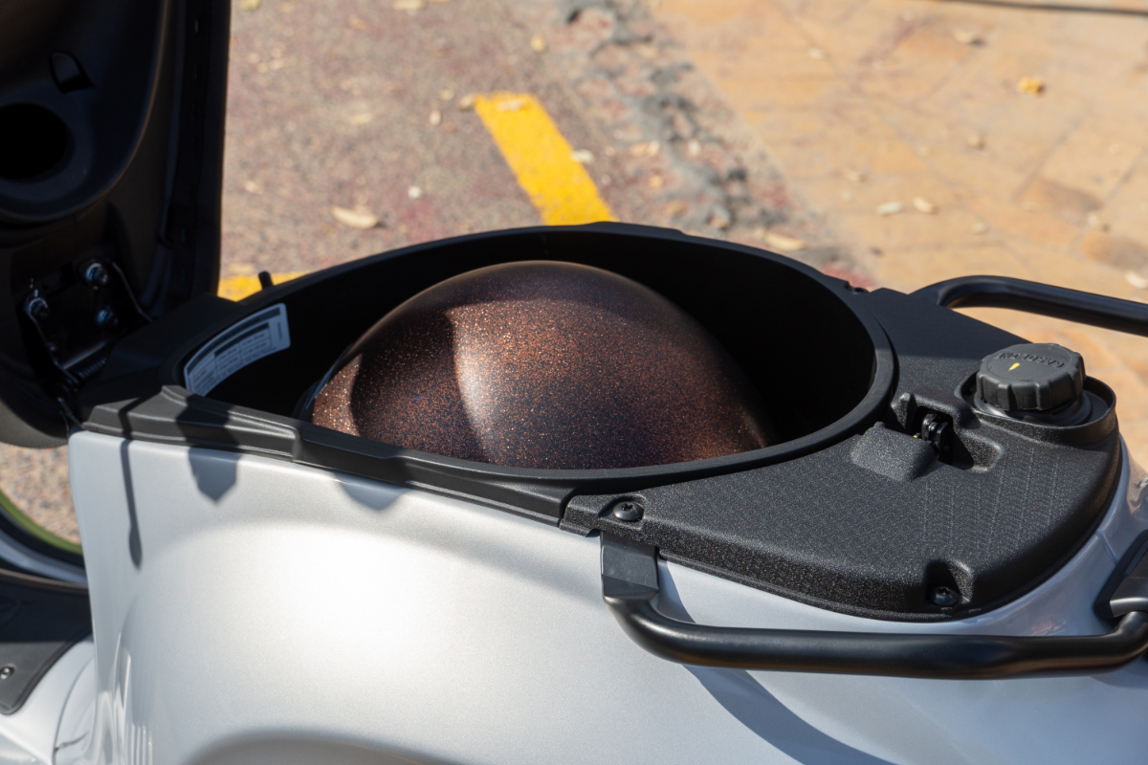
If wearing an open-face helmet and goggles, they can probably be stashed under the remote-locking seat when parked. If you prefer the better protection of a full-face, there are tabs under the seat where the D-rings of the helmet strap can be secured then the seat locked. The only drawback with the latter helmet security method is that it might rain and you may return to find your head-bucket full of water. While looking beneath the rider’s perch, it’s noticeable that the once-standard rain-proof seat cover for parking on wet days has gone AWOL from its cubby hole in the seat base.
The 155cc four-stroke engine of the Sprint Tech 150 develops 8.9kW at 7250rpm and 12.7Nm at 5750rpm, enough to spin the CVT transmission up to 100km/h-plus. That motorway performance is dependent upon the gradient of the road; you’ll slow to 90-something going uphill and may even enter ticketing territory going down.
These are adequate speeds for all-road commuting, but longer distances are more easily traversed by a big-frame Vespa. On the plus side, the 155 is super-refined, virtually vibration-free and can return 2.9l/100km fuel use figures, feats of more value to a scooter than outright speed.
Is the Sprint Tech 150 worth the $8790 asked for it? That depends on how much you value scooter luxuries like superb build quality, high refinement, and the brand’s spunky style.