



Report 1 16/01/26 Report 2 28/01/26 Report 3 16/02/26 Report 4 10/03/26 Report 5 25/03/26
REPORT 5 (25th Mar 2026)
I had an idea this month. A real event and reason enough for a story, some might say. Here’s how it happened.
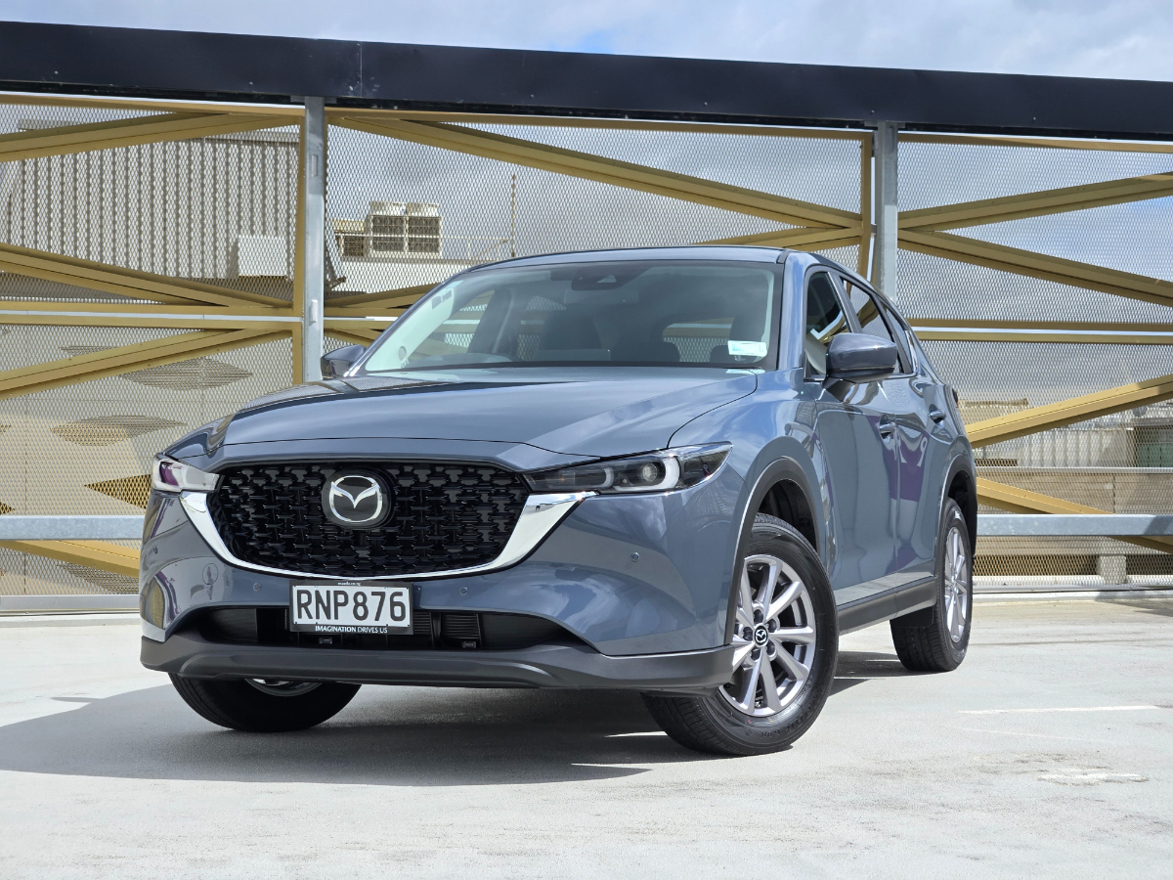
An ongoing topic of conversation around our extended-review Mazda CX-5 is fuel economy. More right now than ever, given the price of 91-octane.
The CX-5 is one of the very few SUVs in its segment to come completely sans-electrification. The petrol engine doesn’t even have a turbocharger to broaden the power delivery and ease the load.
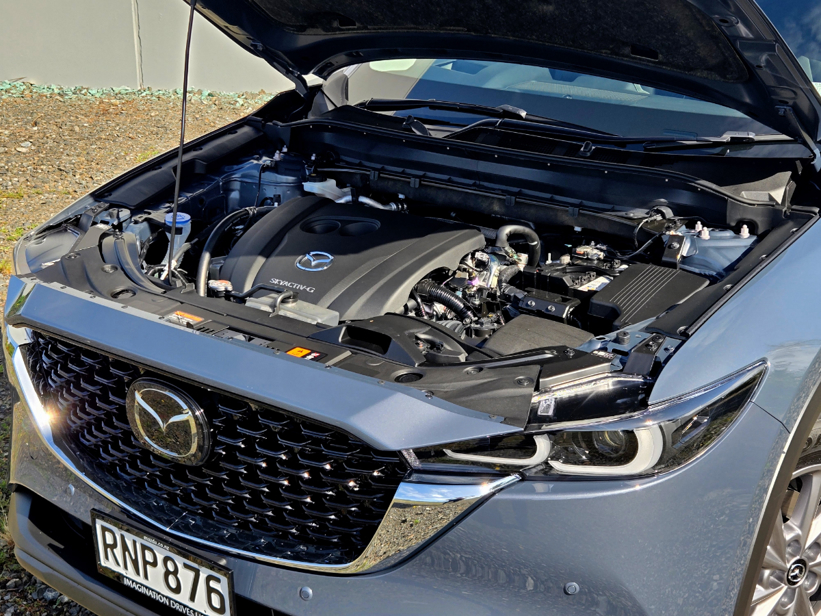
So fuel economy is not its forte in the 2026 SUV world, and you have to accept that if you’re buying one. It’s at one extreme of the combustion-engine technology scale.
At the other are the new generation of “super hybrid” SUVs, which have enormous plug-in batteries that give anywhere up to 100km pure-electric range, and then in the region of 1000km overall when the petrol engine fires up in hybrid mode. Seemingly the best of all worlds and all that.
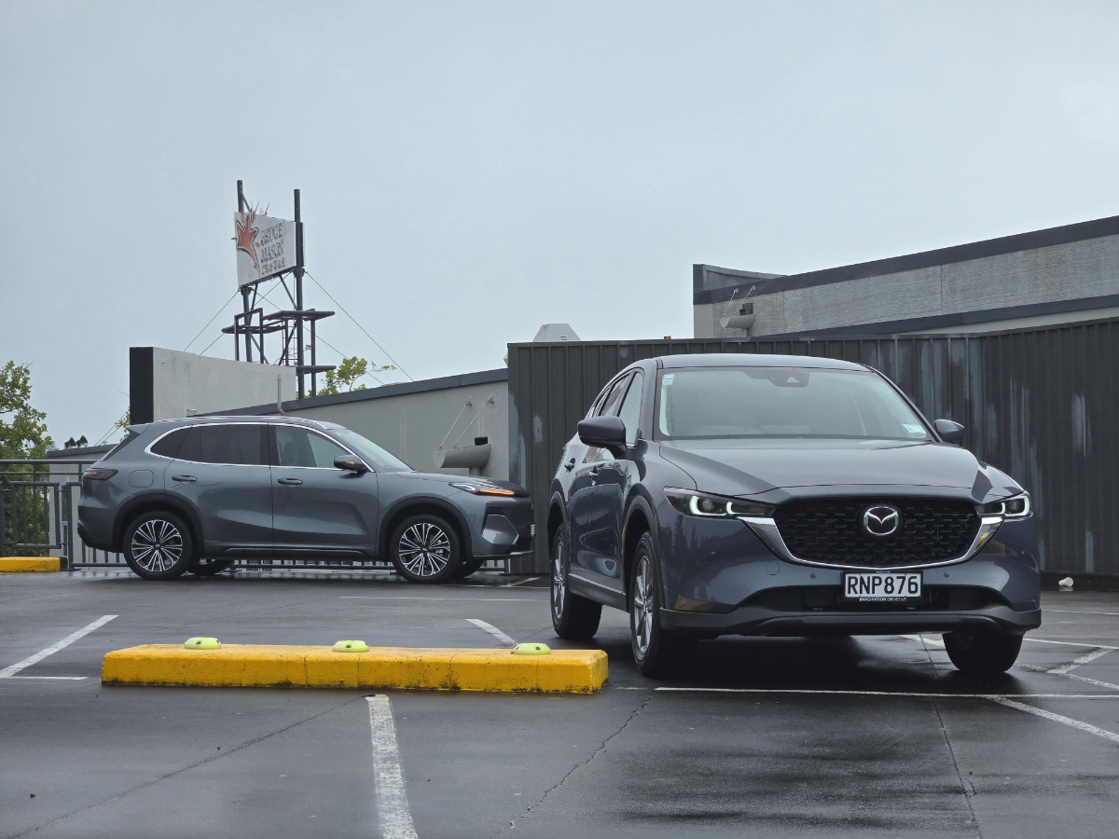
The fuel economy figures are at extremes as well. Our CX-5 GSX AWD is rated at 8.2l/100km by Rightcar, while a Geely Starray EM-i (to choose something we’ve reviewed recently) is 1.5l/100km. The latter assumes a full charge of the battery for the test cycle of course, but if you keep it powered up you can theoretically run in pure-electric mode most of the time. If you’re not doing any more than say 80km per day, the Geely is basically an electric car but without the looming range anxiety.
Like we said, extremes. The Mazda is what it is, but as ours has loosened up (now with 2000km on the clock) we’ve noticed the fuel economy making substantial improvements. With considerate driving, it’s been surprisingly thrifty.
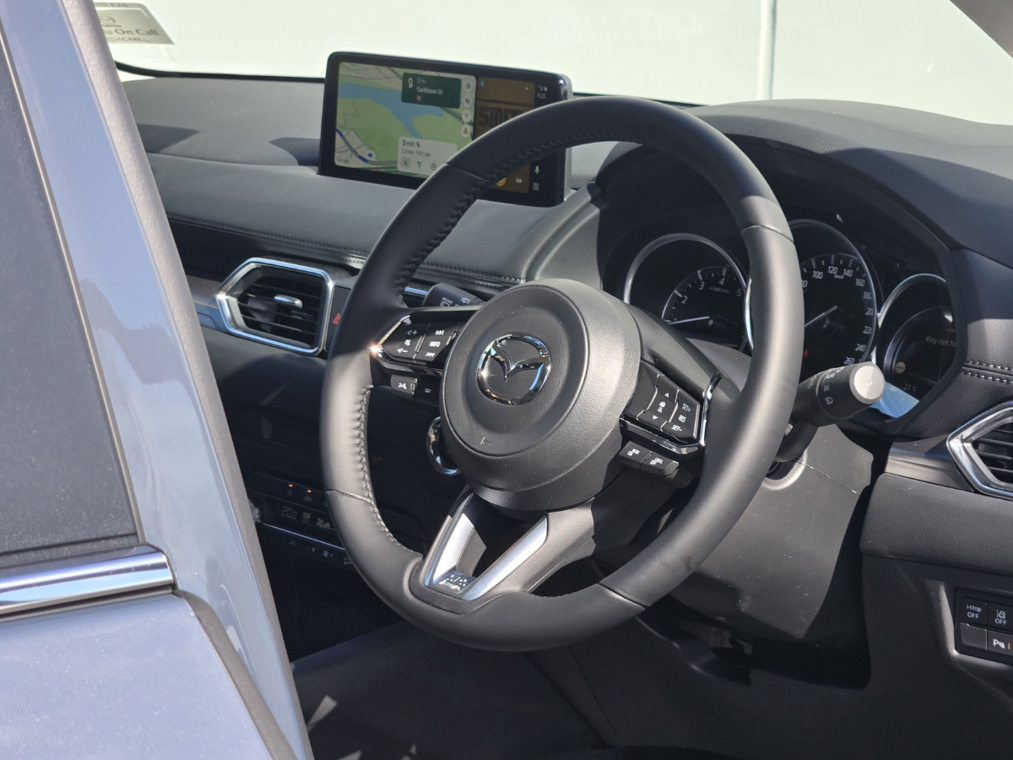
Here’s another thing we’ve noticed: you really do have to charge a super hybrid regularly to get the best efficiency, otherwise you’ve basically got a regular hybrid lugging around a really heavy battery, which is not optimum.
So I thought it might be interesting to take the CX-5 on a back-to-back test loop with a super hybrid that’s running on no charge, just to see how close they would really be. Again, we chose the Starray… because it was there. And interestingly, a similar price: $49,490 for the flagship Inspire versus $50,290 for our CX-5 GSX AWD. So they are kinda rivals.
The odds were stacked a little bit in the Mazda’s favour, given 80% of our test loop (which we use often) is open-road stuff. That’s friendly for an ICE, not so good for a hybrid. But it’s not a fast-and-furious route, either: there's a good mix of motorway, 60km/h and 80km/h sections.
We used adaptive cruise on the motorway, which is not the most efficient choice but it’s what real people use. We took more control on the country roads and around town. We travelled at the speed limit where possible, but also tried to be on our best behaviour behind the wheel, to get a good real-world result.
It all went smoothly, apart from our return from the north towards Auckland when we hit a huge traffic jam - which played right into the Starray’s super hybrid hands. Fair enough.
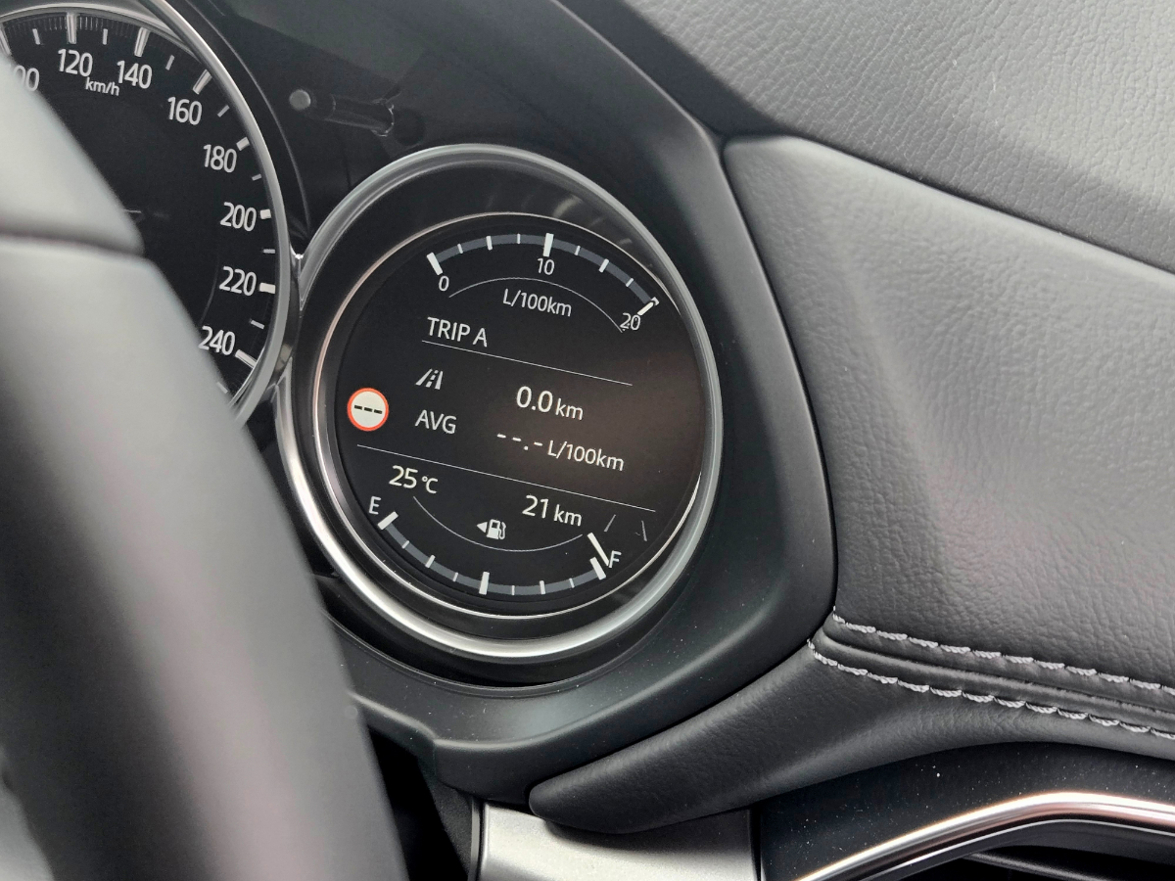
Long story short, the Geely Starray finished our loop at 6.6l/100km, while the CX-5 returned 6.8l/100km. Better than we expected from the super hybrid with no charge, but way better than we expected from the conventional-combustion Mazda. Impressive even.
As an aside, we did this very same loop when the Mazda was brand-new, in similar traffic conditions (we even hit a traffic jam at the same point), and it returned 7.9l/100km. So it's definitely improving with age.
It must be said that a conventional hybrid like a Toyota RAV4 would have destroyed both these cars in these conditions. So perhaps it's all appropos of nothing. But like I said, it was an idea.
The point wasn’t to show how bad we could make the super hybrid look, or how good we could make the combustion-car look. As Eric Clapton once said in his thoughtful piece on SUV technology, it’s in the way that you use it. A super hybrid is phenomenal if you keep it charged, while a conventional combustion car can surprise you with its frugality in the right circumstances.
REPORT 4 (10th Mar 2026)
Modern crossover SUVs aren’t really made for going off-road. Most are really just tall passenger cars with a bit of extra ground clearance and a bit of extra cabin height. So all-wheel drive certainly isn’t a given, especially in the more mainstream models.
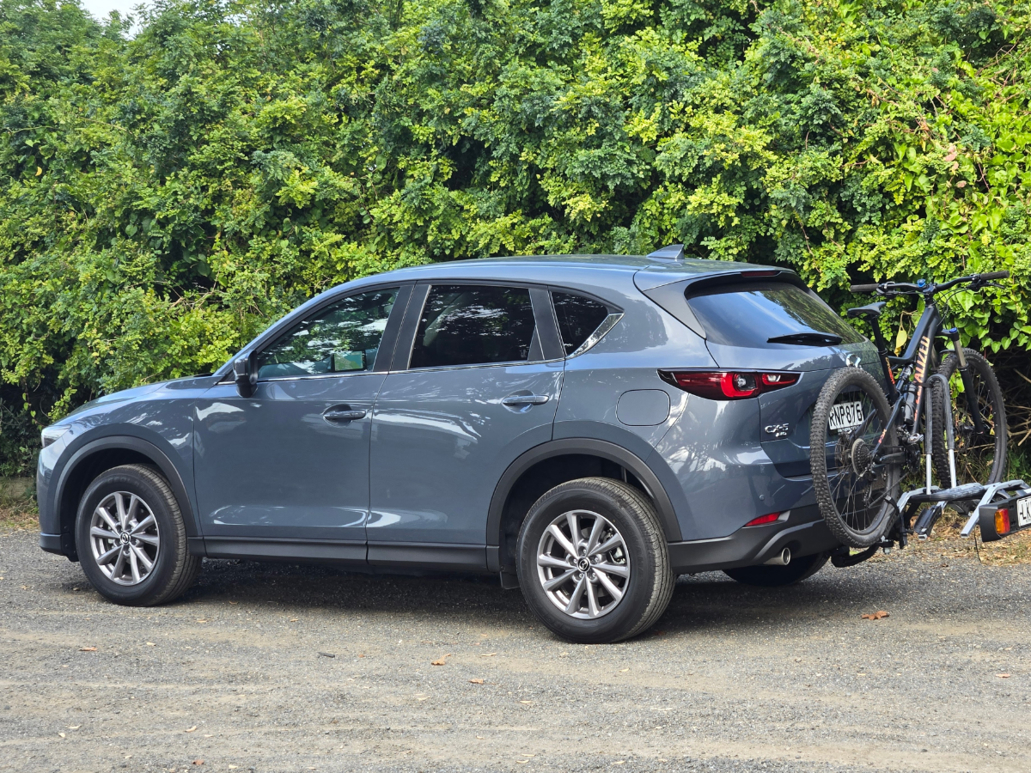
Our Mazda CX-5 is a case in point. I remember a Mazda conference in Japan many moons ago where a company engineer was asked about the car’s ability in the rough and he replied that the CX-5 was “not suitable” for off-road driving. End of discussion. Next question please.
So why bother with AWD, as we have in our extended-review CX-5? Well, as is the case with most models in this segment, it’s about more than just rock-hopping. Opt for AWD in the CX-5 GSX and you get the larger 2.5-litre engine (up from 2.0). But more to the point, AWD makes it an even better on-road machine. On all kinds of roads.
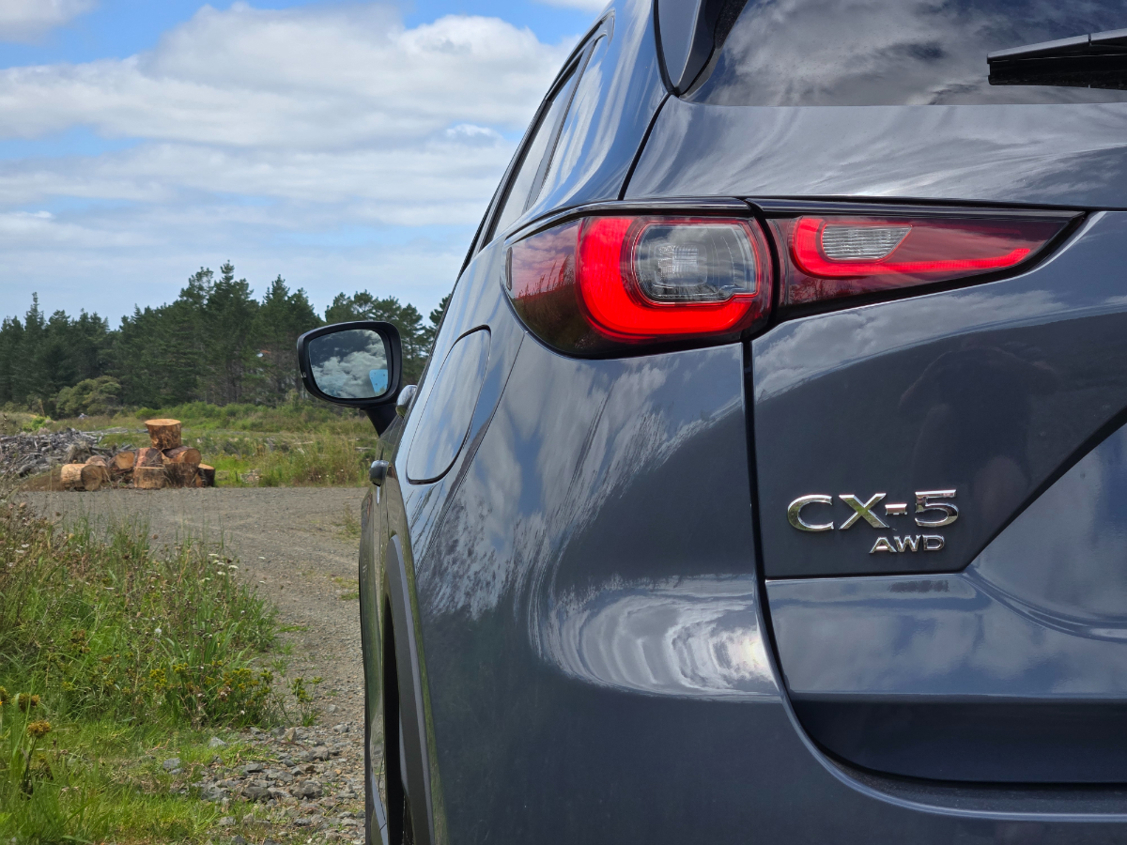
Mazda’s “i-Activ” AWD is an on-demand system, meaning it’s mostly FWD until you need the extra traction. But that’s oversimplifying. It’s not entirely reactive: there are 27 different sensors on board that keep the drivetrain primed (steering angle and so on, but some as simple as monitoring whether the wipers are on) and in fact, the CX-5 is never truly FWD because 1-2% of torque is always being fed to the rear wheels.
Combine that with Mazda’s G-Vectoring control, which subtly reduces engine torque as you turn into a corner to smooth out steering response and improve body control, and you have one tall family car that’s a dab hand at tackling tricky corners and loose surfaces.
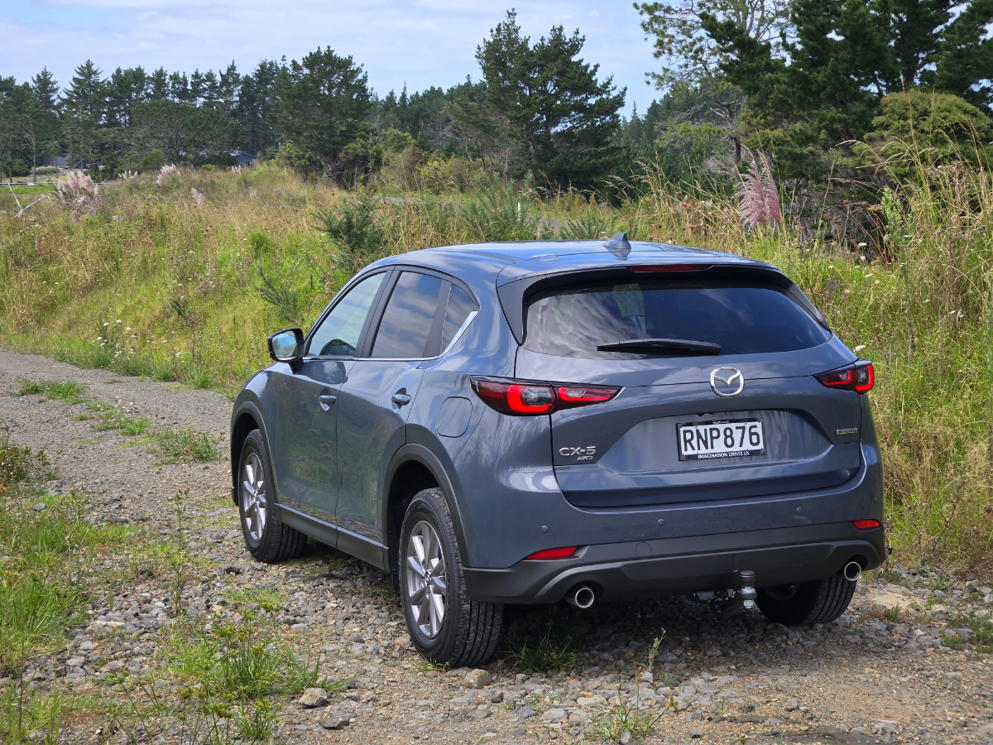
Mazda is still better at this stuff than most. I’d argue the CX-5 is still the best-handling family SUV around on low-traction surfaces, with the most polished AWD system. If you’re delving further off the beaten track, a Subaru Forester might be the way to go; but for a blend of tarmac, wintery stuff and gravel, the CX-5 has a really good feel and even though it’s been around for nearly a decade, nothing’s come along to significantly better it in terms of matching crossover ability with driver appeal.
This is more relevant in New Zealand than most countries. While most NZTA-administered roads are tarmac, about 40% of our country’s total road network is still unsealed.
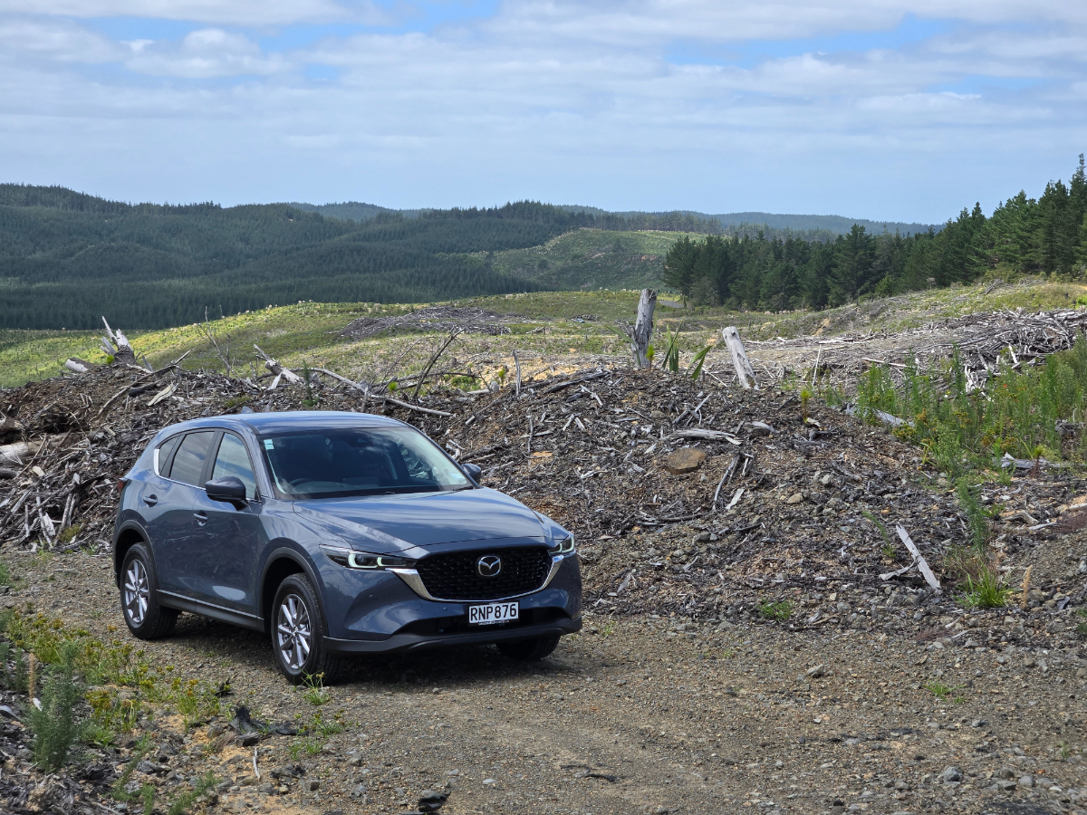
And of course the CX-5 isn’t totally averse to a bit of light off-road duty. Mazda even added an Off Road setting to the car’s drive modes for its last significant update in 2022, although oddly it’s only offered with the most luxurious (and arguably least off-tarmac-appropriate) Takami model for NZ. No matter, we’re handling/enjoying the slidey stuff in our GSX AWD just fine without it.
REPORT 3 (16th Feb 2026)
This is a Mazda extended-test car, so there’s got to be a story focused on the infotainment system. It’s tradition. From a company usually so single-minded in what it wants to achieve with a vehicle, trying to understand what it was thinking with various infotainment iterations can be a challenge.
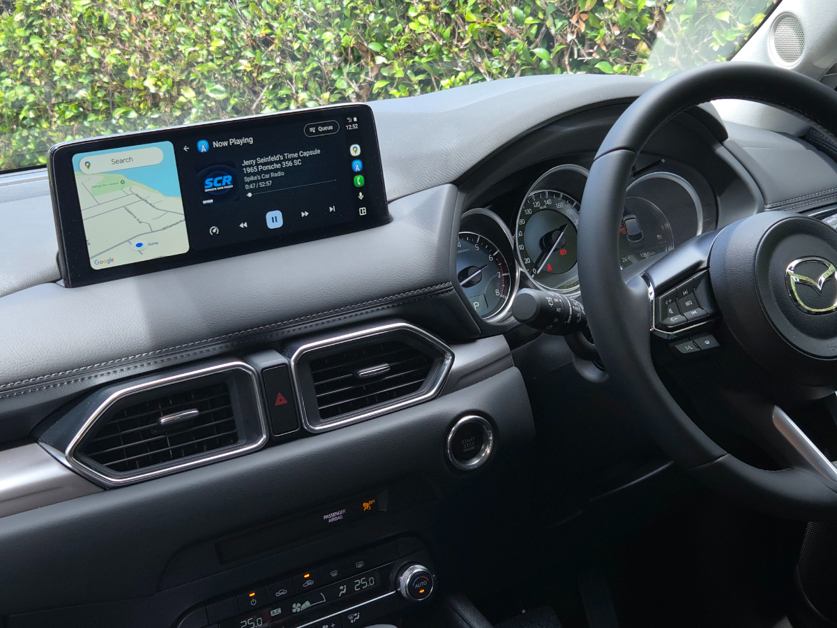
Mazda was a little slow in adopting Apple CarPlay/Android Auto phone projection (“obstinate” might be another word). It likes to do things its own way. So much of the last decade has seemingly been spent working out how it thinks the technology should be integrated and used in its cars, and the results are very different depending on where you jump in.
The CX-5 dates back to 2016, but it received an upgrade in 2021 that included a Mazda Connect infotainment revamp. So here’s how it works, including the quirks. There are always quirks.
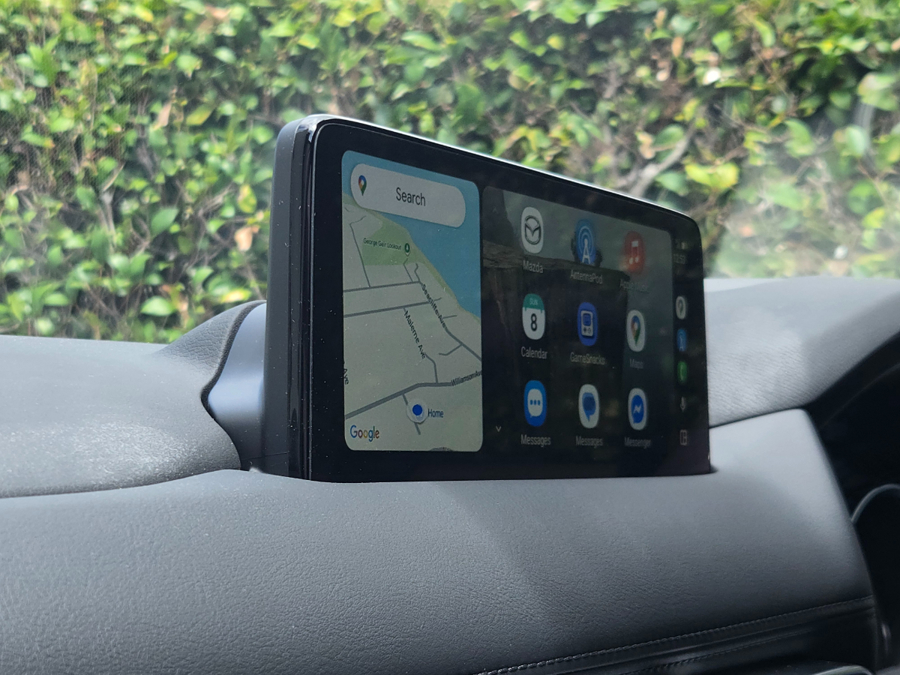
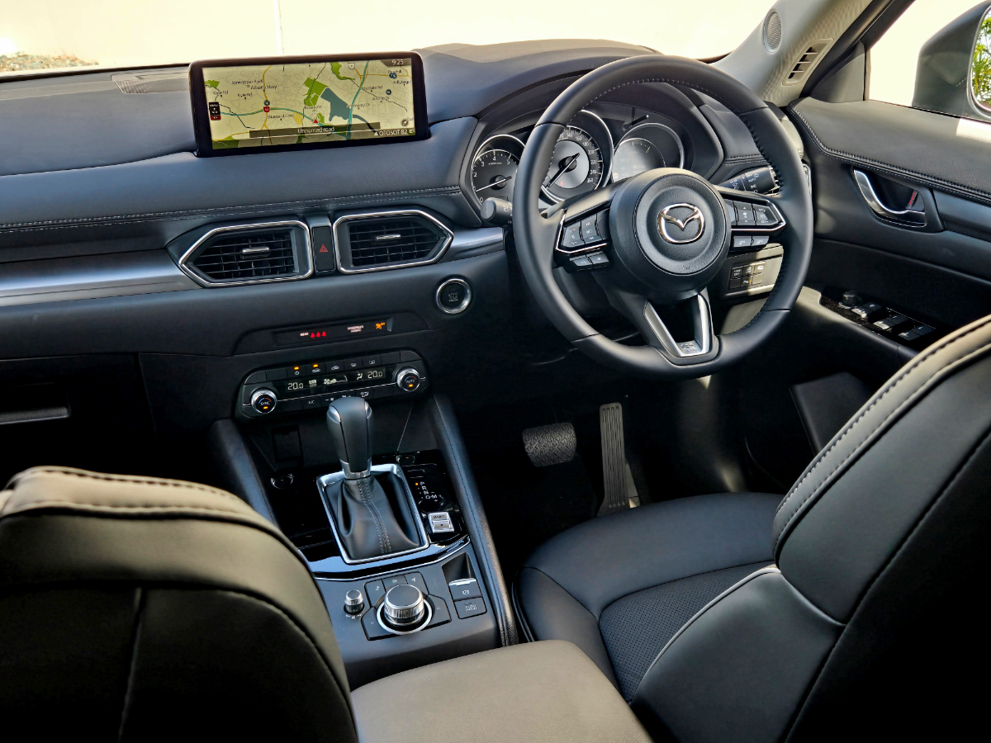
The screen is a rather elegant 10.25-inch widescreen unit, with crisp, modern graphics. And yes, there’s full Apple and Android phone projection, wireless too.
There was some frustration in getting connected when we first got the car; multiple attempts to get Android Auto running wirelessly were futile. But then we connected with a cable, it fired-up first time and it’s worked faultlessly in a wireless capacity ever since, booting up quickly and with supreme stability.
We've since learned this a thing with Mazda, apparently: you need the cable for the first connection. That's also the case with some other brands, but you usually get a prompt explaining what you need to do. Not with the CX-5.
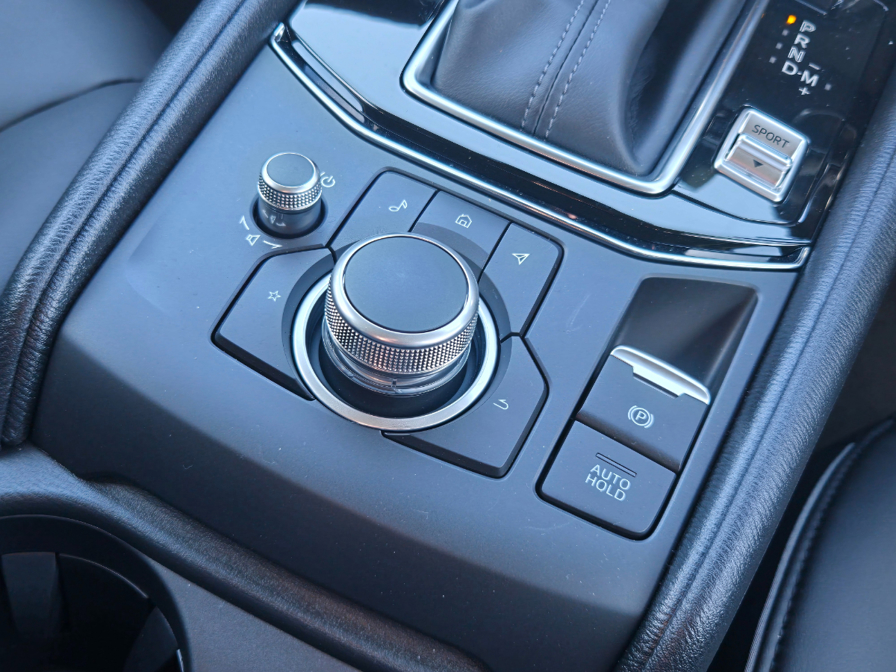
It’s the relationship between the Mazda OS and phone projection that’s sometimes hard to fathom. From the CX-5 home screen, you can activate Android Auto (we’re not Apple people here, sorry) with a click forward of the Mazda Connect rotary controller, although it will also boot up automatically if you were using it previously. So far so good.
But here’s where the weirdness starts. The CX-5 screen has touch functionality, but only in phone-projection mode and only when the car is stationary, with the electric handbrake applied. Otherwise, you can only navigate the screen with the physical controller.
So yes, you can input a navigation destination or select some music in Android Auto before you set off, using touch. Presumably the argument for locking it all out when you’re moving is safety, but you still have to look at the screen when you’re using the rotary dial (more so, we would argue), so that doesn’t make a lot of sense.
As an aside, the CX-3 we last ran had an older MZD Connect system that offered touch for the Mazda native OS but not for phone projection. The Mazda3/CX-30 have a newer system than the CX-5, but at launch had no touch at all. And the Large Platform SUVs like CX-60 and CX-80 have a different/newer system again, with more (but not complete) touch-operation available on the move. The CX-30/Mazda3 have since been upgraded to have the same. Huh?
Getting confused between different Mazdas is a motoring-journalist problem, of course. When it’s your car, you just get used to how it works. And we have with the CX-5. But the whole critical pathway is still strange, and we wonder why Mazda can’t just make up its mind. We can’t think of another carmaker that changes tack so often on how this stuff should work.
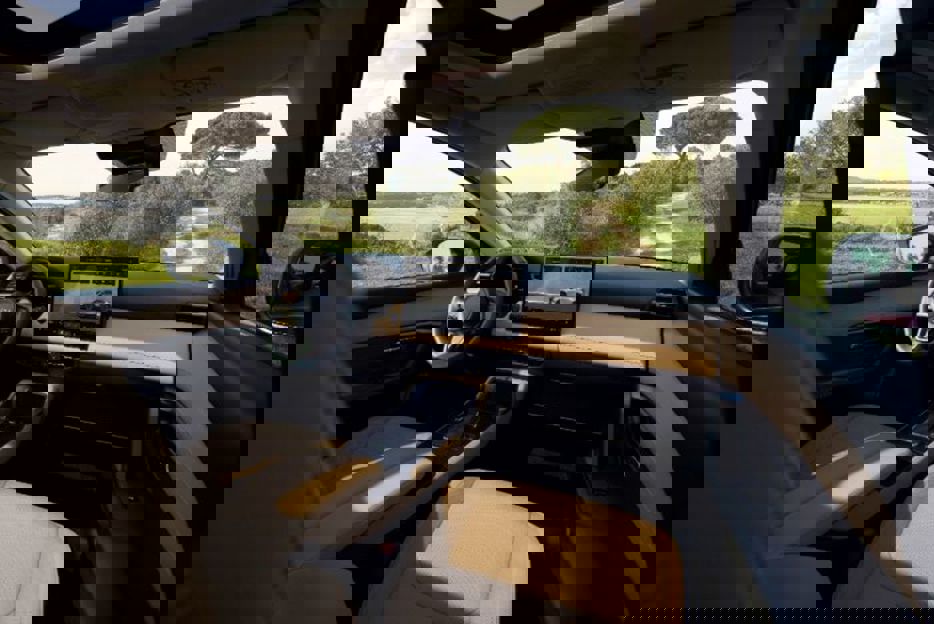
With the next-generation CX-5 due this year, which is also the first of a whole new generation of Mazdas, it looks like the company might have finally settled on something… quite similar to everybody else. There’s a big 15.6in screen, the physical controller is gone and everything is handled either by touch or voice control.
REPORT 2 (28th Jan 2026)
I realise what I’m about to say will make people think I’m showing my age and/or some reactionary tendencies. So be it.
I’m really enjoying my time (not full-time, in-between other car-review duties) in the Mazda CX-5, partly because it’s a simple pleasure to use.
It’s undeniable that vehicle ergonomics and dynamics are changing in a fundamental way, which is where that bit in parentheses above comes in. There’s seemingly a drive to clean up car interiors and eradicate physical switchgear as much as possible, putting (I’m tempted to say “hiding”) everything in a central touch-screen.
Tesla arguably started it, the whole idea has been embraced wholeheartedly by the Chinese brands that are making such inroads into export markets, and the rest of the automotive world is following; albeit at a more considered pace.
We have an EV at home that’s pretty much button-free and I’m become a bit of a whizz with that after two years. But the CX-5 is so much nicer to operate. It’s tactile.
Putting everything into a screen makes a car cheaper to produce, by the way, which is why so many makers like the idea. Just saying.
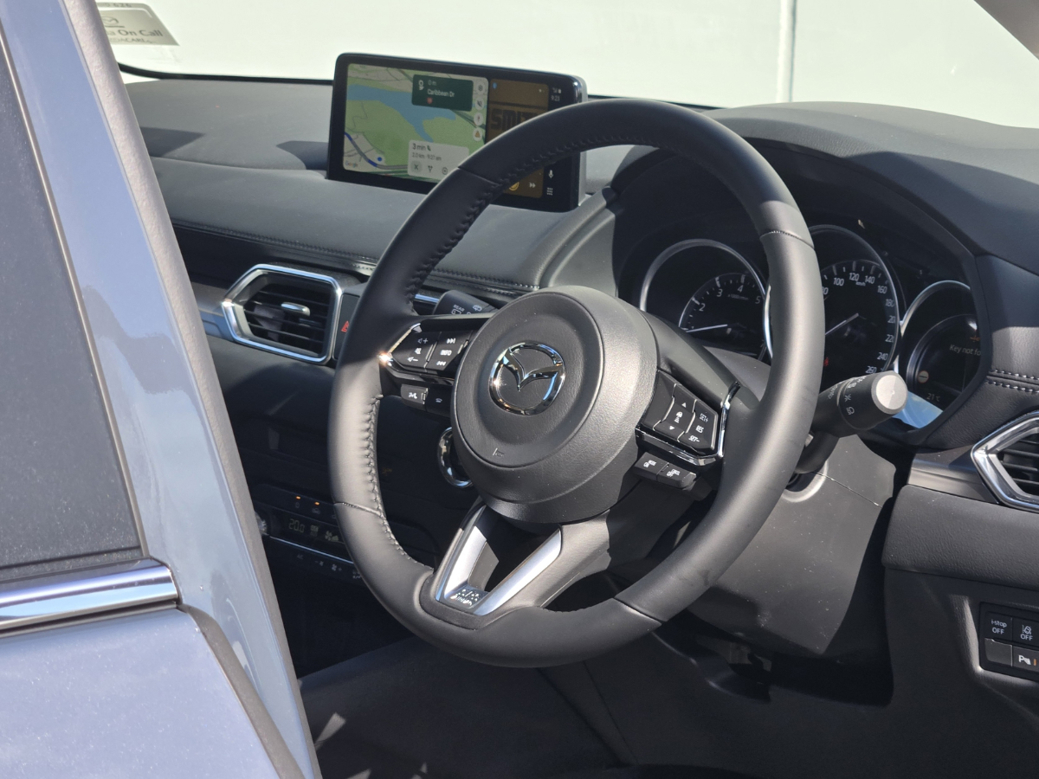
Anyway, it’s happening and we’ll all get used to it (although there’s already pushback from the likes of ANCAP on the driver-attention implications). Just to be clear, we review every kind of new car and I can understand and learn to operate pretty much anything that comes along, because that’s my job. I’m not totally doddery… yet.
There’s a brand new CX-5 coming this year that places more emphasis on the touch screen, so it’ll be interesting to see what the balance is.
In fact, we have an EV of roughly similar size and shape at home that’s pretty much button-free and I’ve become a bit of a whizz with that after two years. But the CX-5 is so much nicer to operate. It’s tactile.
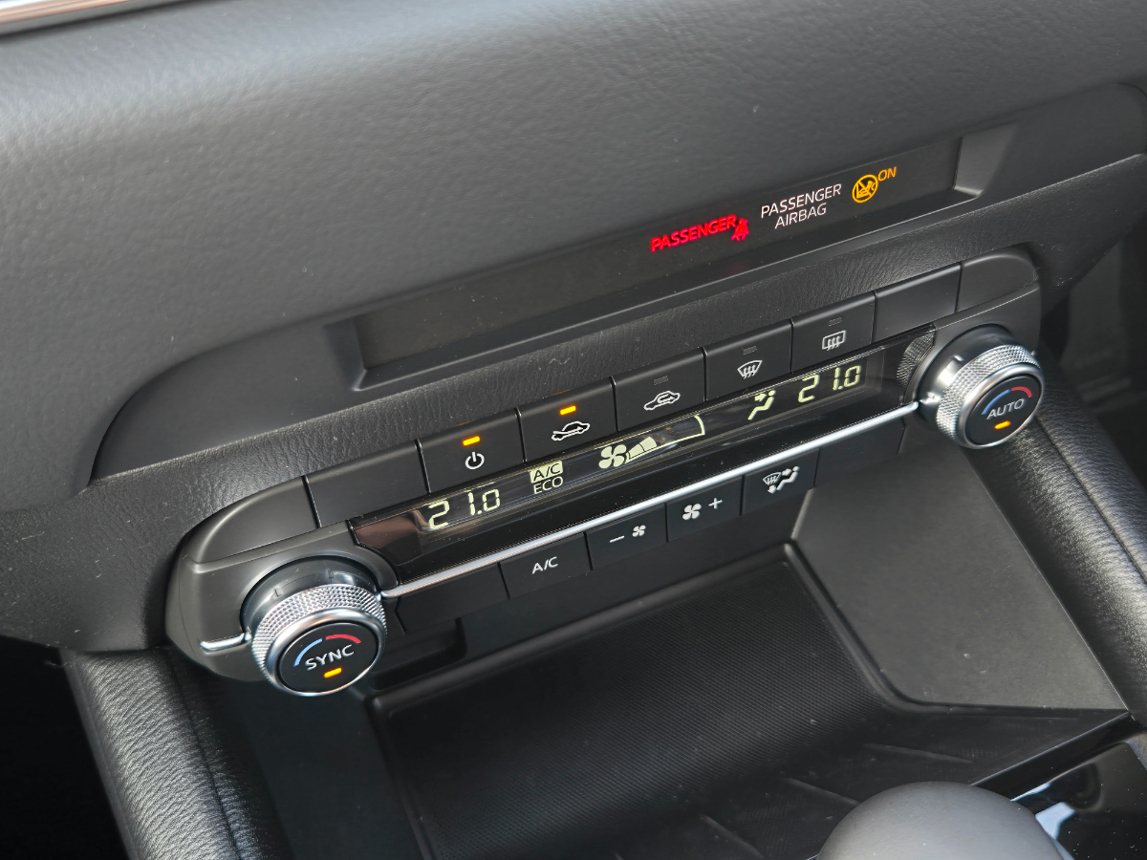
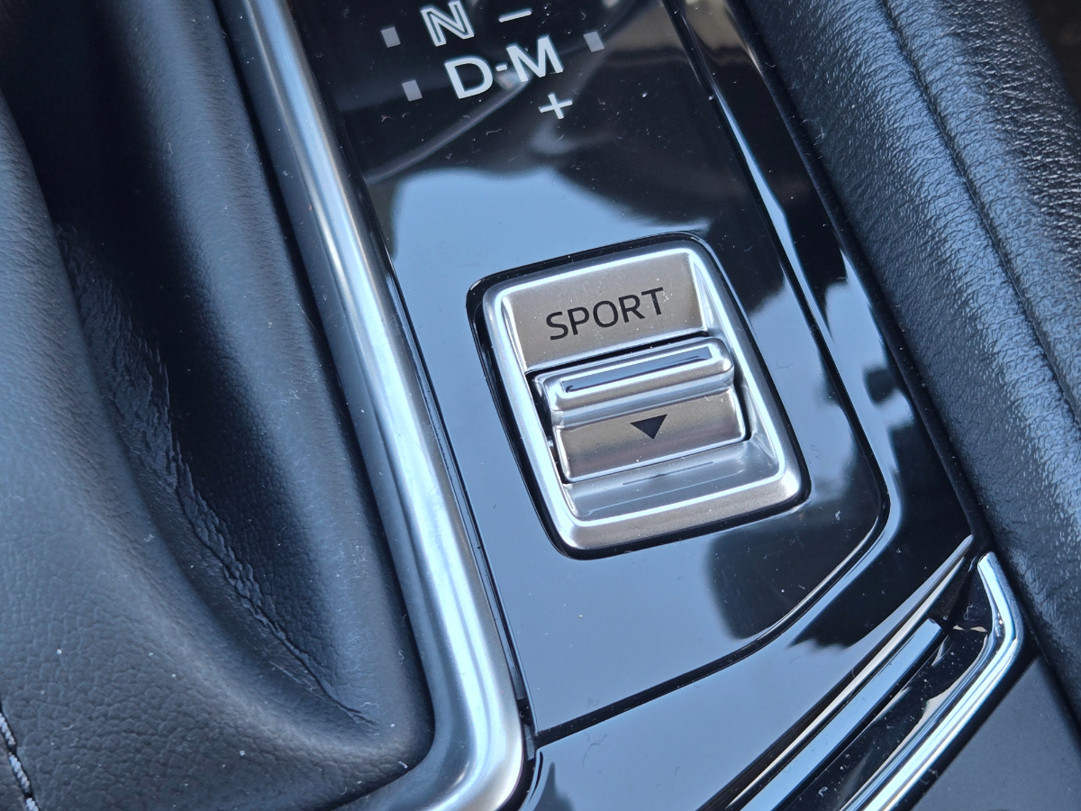
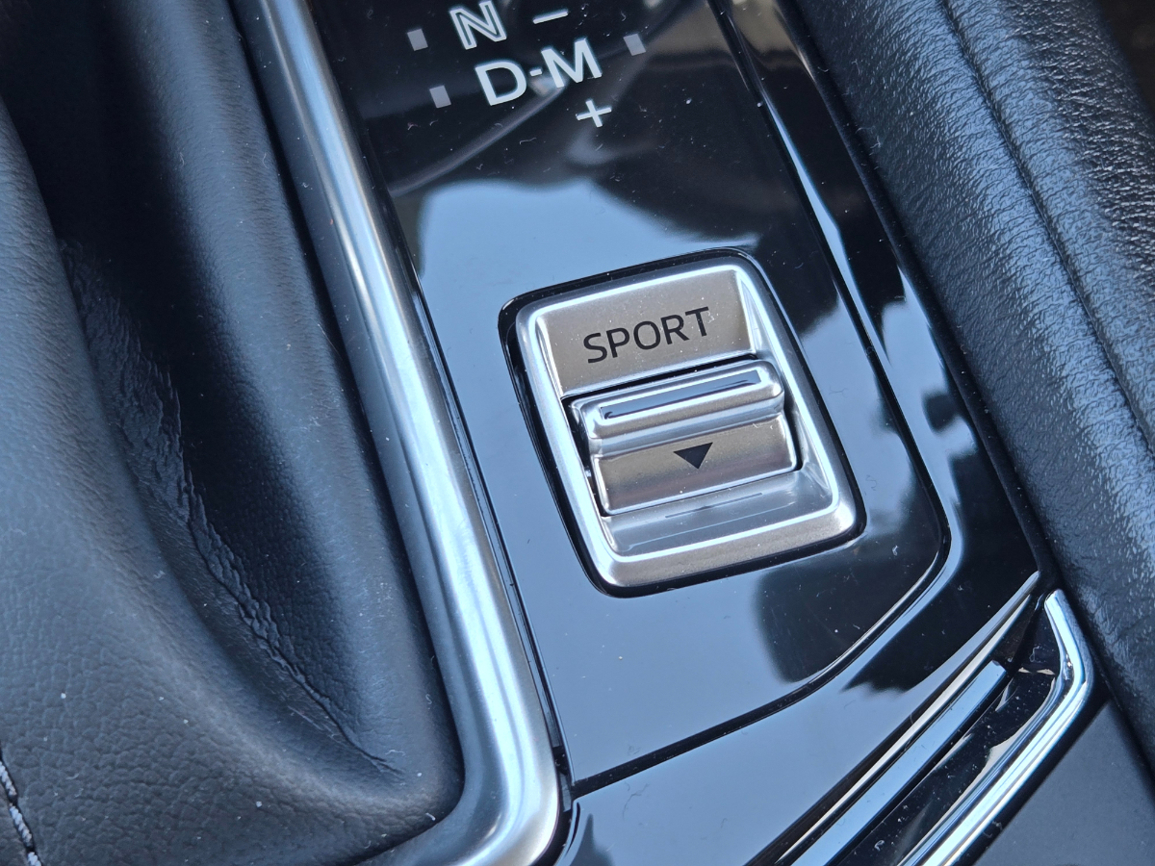
If you want to adjust the mirrors, there’s a switch on the door that you can toggle around, which seems sensible. If you want to change the climate control, there are buttons for that on the centre console and a permanent temperature display. If you want to adjust the seat, there are levers… on the seat. To reset the trip computer you press a button. To change the drive mode, you click a rocker switch.
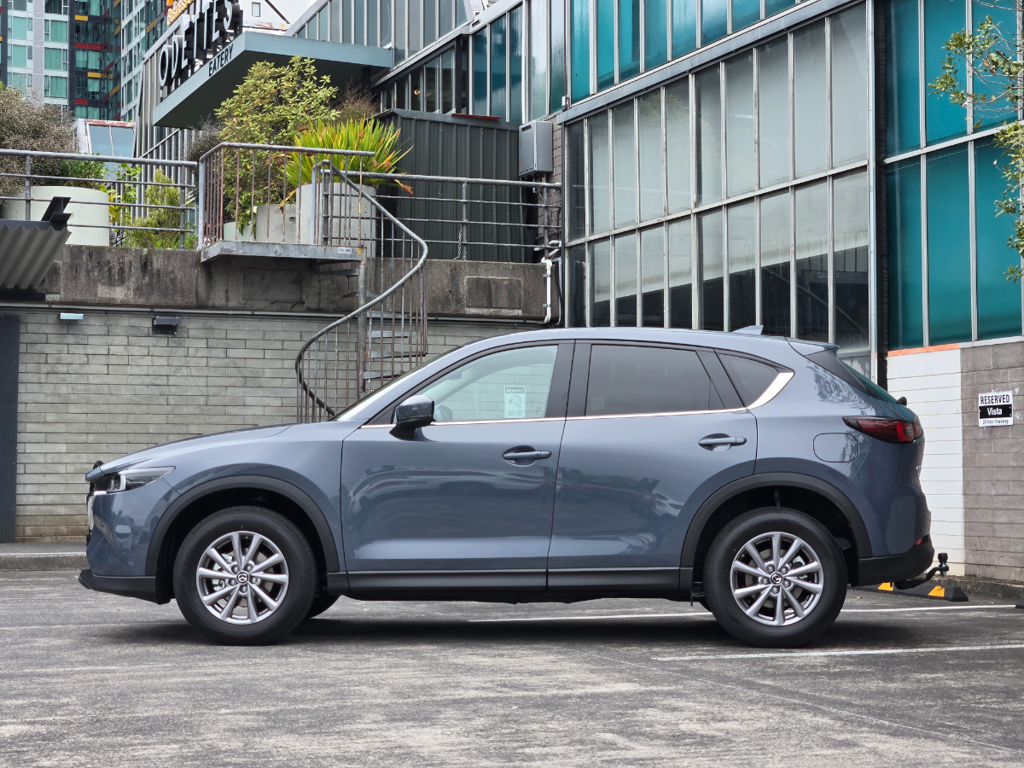
If you’re wondering how many Polymetal Grey Mazda CX-5s there might be at an Auckland mall on a busy Saturday afternoon, it’s a lot.
None of it is buried under several layers of infotainment OS and crucially, you can find everything by feel without looking away from the road. Old-fashioned, right?
Ironically, the only significant spoke in the works is the infotainment control system, which has been a running theme of Mazdas for a while. But we’ll get to that in a later report.
This is all because the CX-5 is one of the more mature offerings in the SUV market, of course. It dates back to 2017. There’s a brand new one coming this year that we already know places more emphasis on the touch screen, so it’ll be interesting to see what the balance is. Mazda is not known for following trends for the sake of it (quite the opposite), so here’s hoping.
Enough of that. Also very much enjoying the drive experience, because (like the cabin) the fundamentals are right.
The steering is consistent, with the right degree of weight for a family SUV, the six-speed gearbox is lively despite being down on ratios by 2026 standards, and the chassis is highly engaging for a mainstream machine: intelligent AWD, nice balance and decent Yokohama tyres for grip and poise. The seats are good, too.
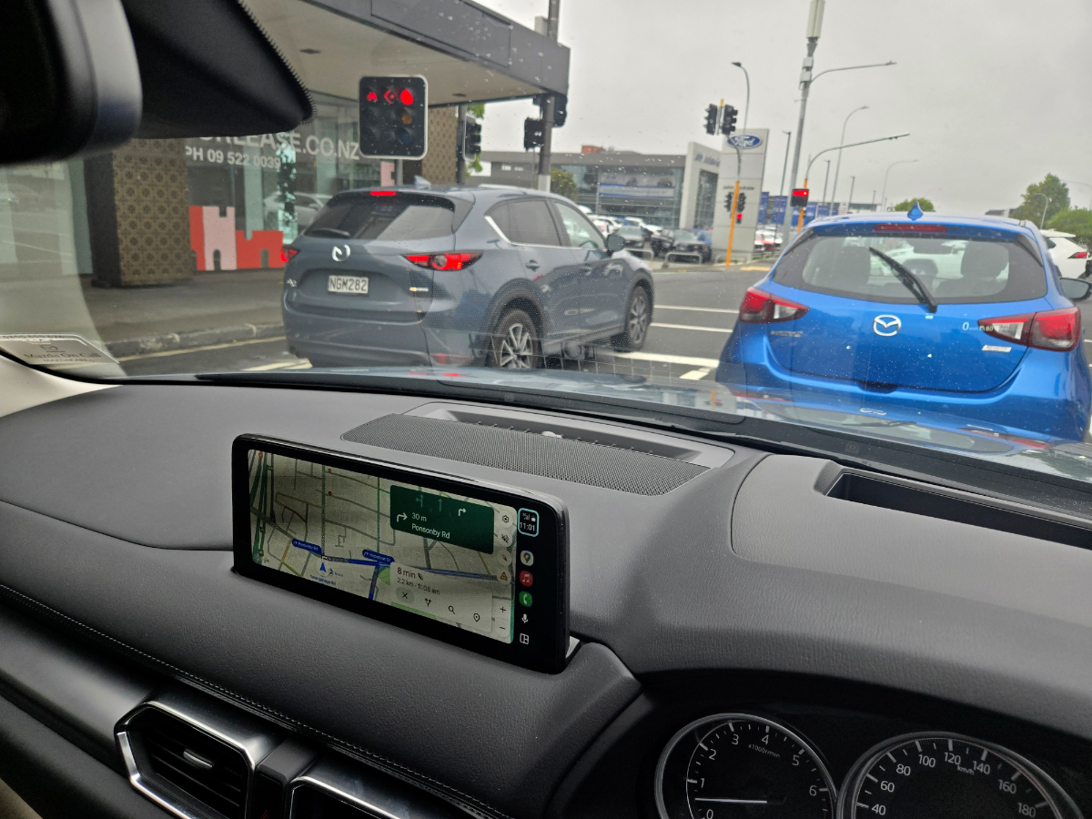
The Achilles heel for the drive/ownership experience may prove to be fuel economy, because the CX-5 is one of the few family SUVs that’s still not available with any form of electrification. It’s been okay to date, though: a mostly-motorway trip of 200km when it was brand-new returned 6.8 litres per 100km, although consumption tends to rise towards 8-9l/100km around town. We keep you posted as it runs in.
If we can find it, that is. I have to admit I lost the CX-5 in a busy mall carpark during our first two weeks, partly because the registration number wasn’t properly embedded in my brain. Just to repeat: not doddery, yet.
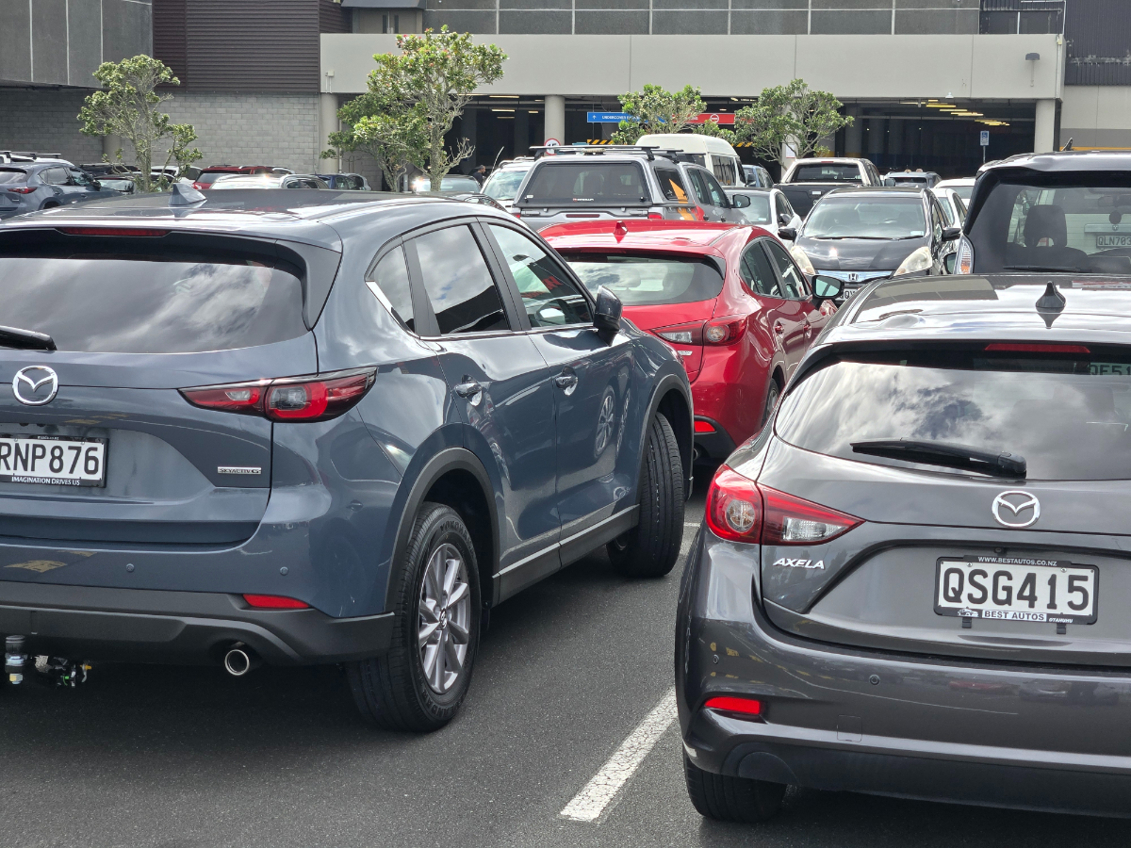
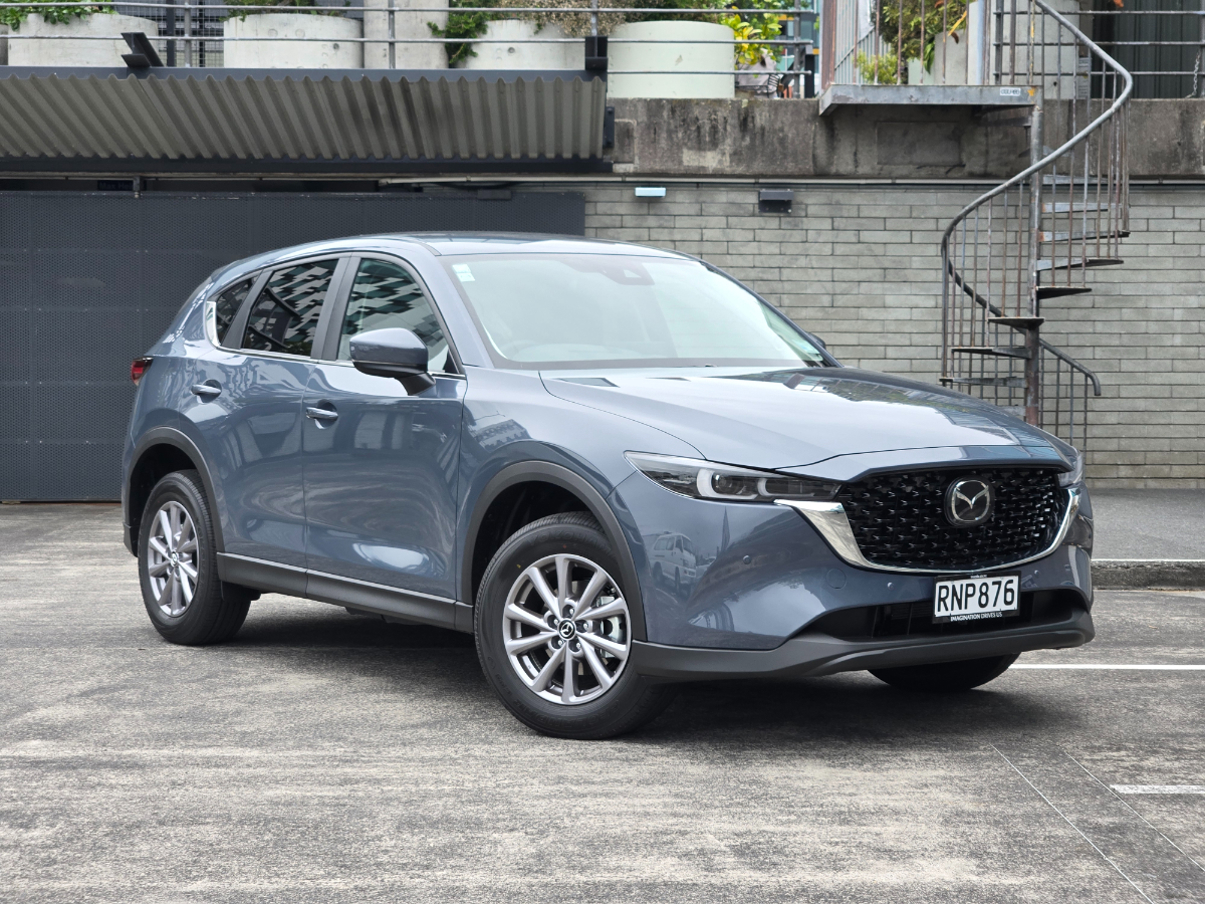
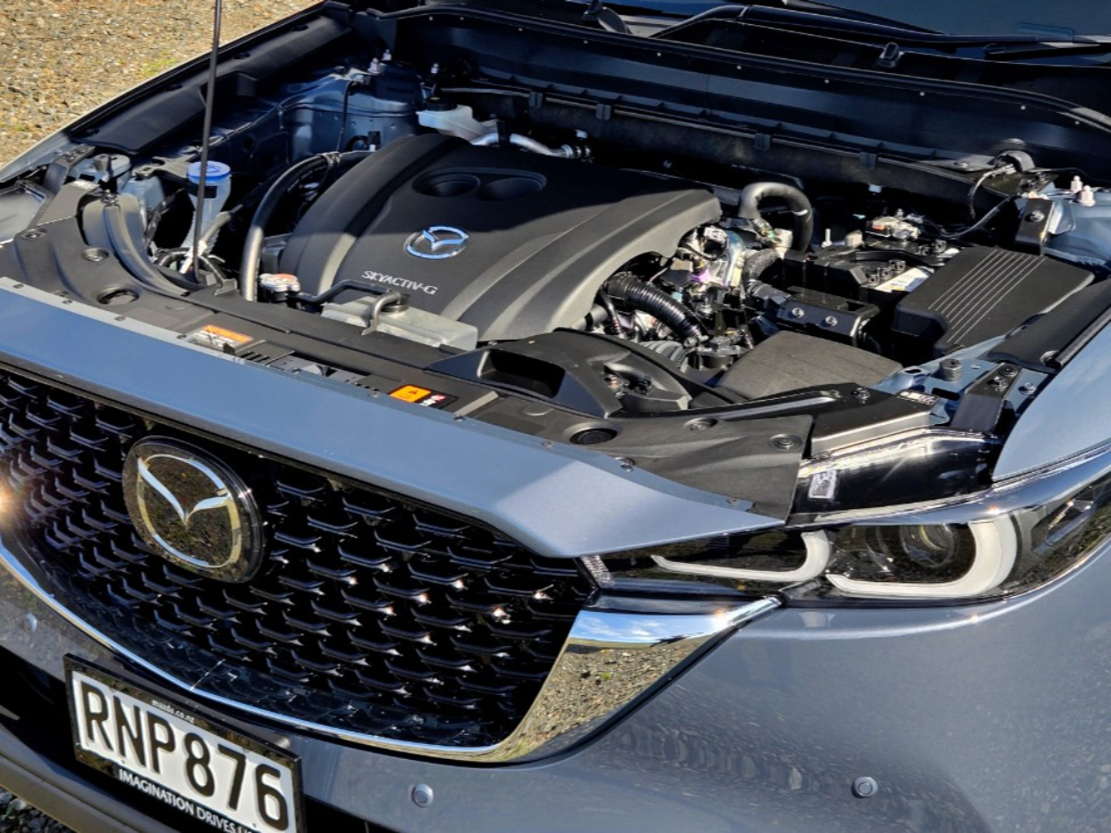
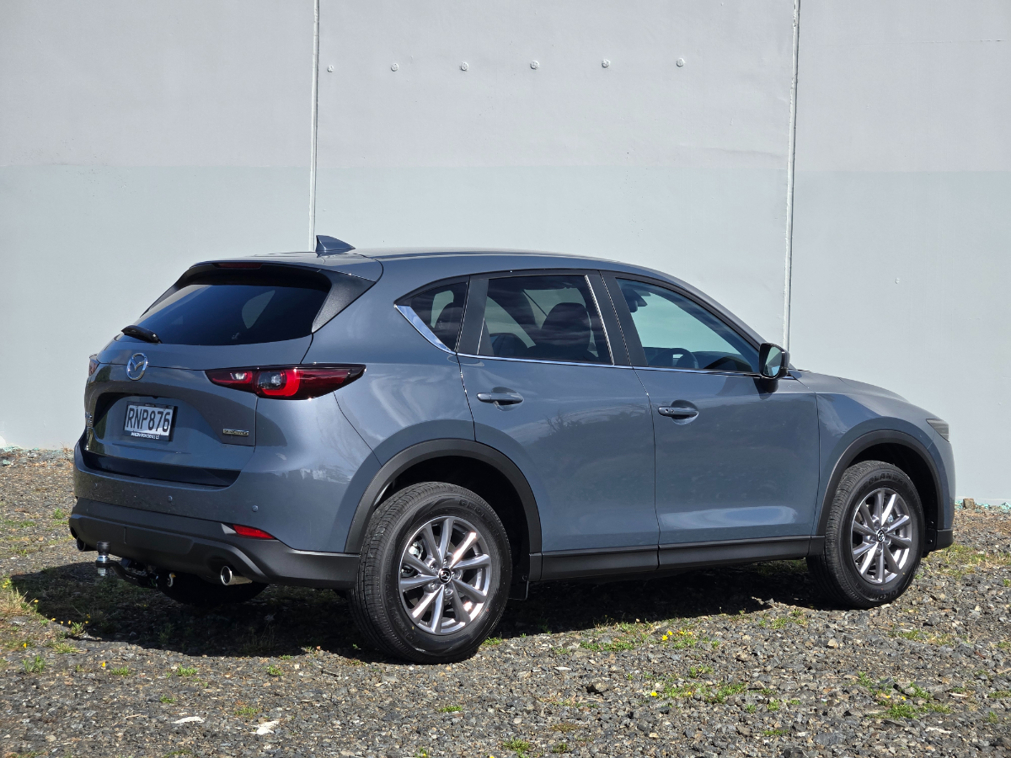
If you’re wondering how many mid-range Mazda CX-5s in Polymetal Grey there might be at an Auckland mall on a busy Saturday afternoon, it’s a lot. It was third-time-lucky for me, as I was reunited with RNP876. Popularity tells you a lot, by the way. It’s a good thing. But maybe should have dug in our heels on the Zircon Sand Metallic colour.
REPORT 1 (16th Jan 2026)
Meet our new extended-review car: a Mazda CX-5. Yes, we’re aware this second-generation model dates back to 2017 (via a 2022 update). And yes, we’re also aware there’s a brand-new third-generation CX-5 coming this year. But bear with us, because there’s method in our choice of Mazda.
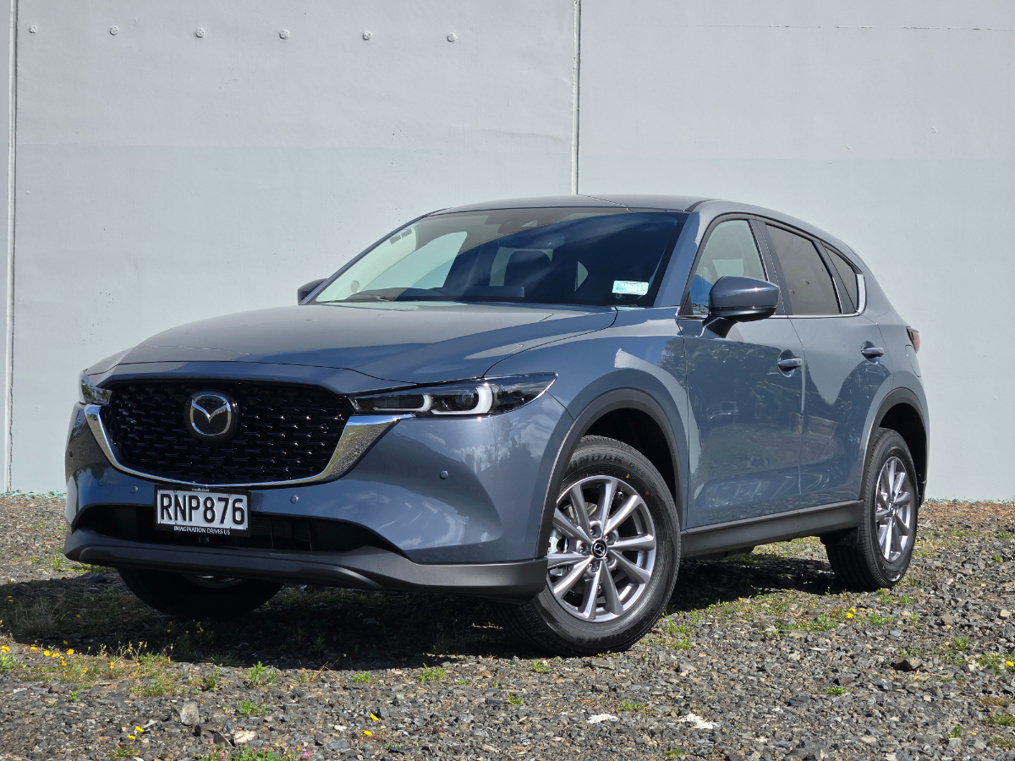
We’ve been asking Mazda New Zealand if we could review the current CX-5 (again) for a while now. It’s not that the company was unwilling, it just couldn’t secure a suitable one because it’s a model that hasn’t been on the press fleet for a while now.
But we’ve continued our sometime-mission to revisit the most popular new vehicles in NZ, because they’re the ones people actually buy in substantial numbers. That’s certainly true of the CX-5: it’s Mazda NZ’s single most popular model and still accounts for 40% of its volume.
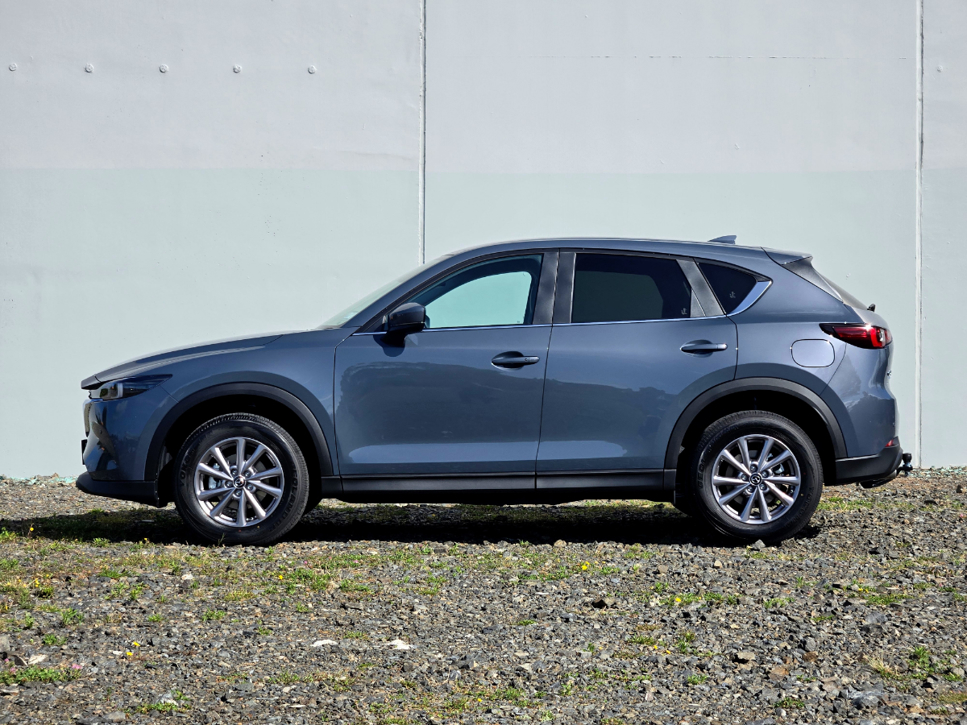
Long story a bit shorter, Mazda NZ decided the best way for us to tackle the CX-5 might be an extended review - just as it did with the CX-3 last year, in a similar scenario. Suits us: adds a valuable car to the review database and gives us a nice lead-up to the new one coming later in the year.
We did truly start from scratch with this one. With the CX-3 we were offered a brand-new car, but a very particular one: an SP20 in Polymetal Grey.
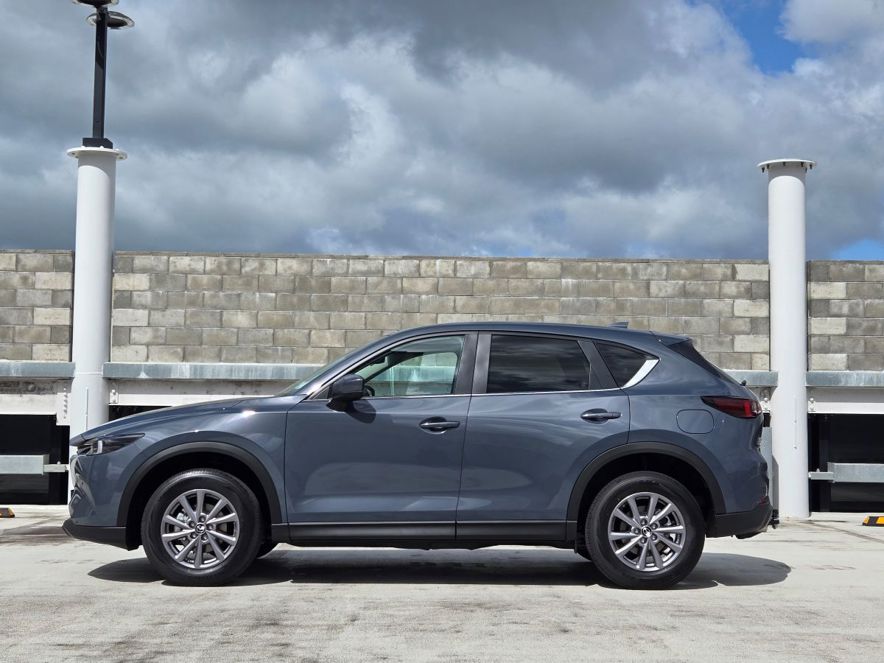
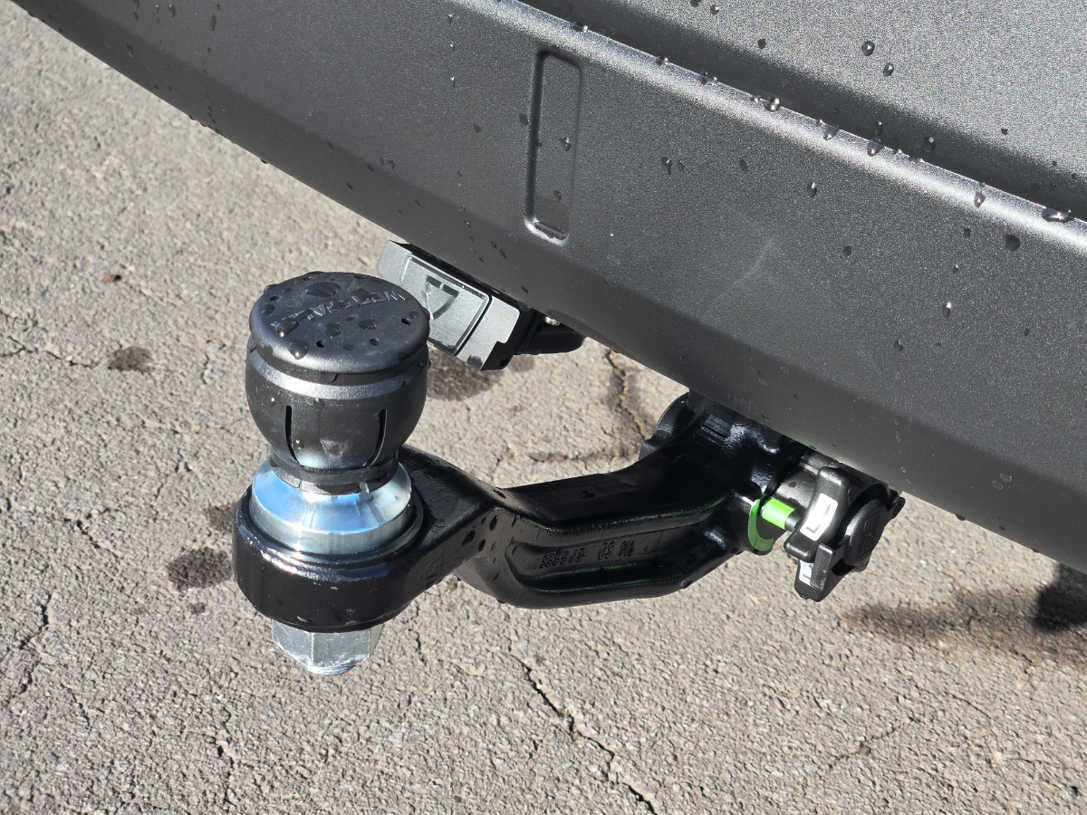
With the CX-5, everything was open for discussion, but we all decided we’d embrace the spirit of this project and go for the biggest-selling version of Mazda’s biggest-selling model: the $50,290 GSX AWD. Our car is standard apart from a chunky rubber boot-mat ($229) and quite a fancy Westfalia towbar with detachable tongue ($1800).
This GSX AWD is essentially mid-range. Mazda offers a brace of entry-level CX-5s with a 2.0-litre engine in GLX and GSX specifications, but when you step up to our GSX with AWD you also get the 140kW/252Nm 2.5-litre powerplant. There’s also a more luxurious Limited with the same powertrain, and the Mazda CX-5 with the most is the turbocharged Takami (a whopping $17,600 more than our GSX). The less-popular Activ and SP models were phased out a while ago.
We even got to choose the colour of our car. Well, kind of. Our enthusiasm for the beachy Zircon Sand Metallic is not shared by other Kiwis apparently, and there wasn’t one to be found in stock or on the way. After looking at everything else on the colour chart, we decided on the same Polymetal Grey our previous CX-3 came in, on the basis that it really suits the car and it photographs well.
This is a pretty-well specified family car for a smidge over $50k, with full “leatherette” upholstery, a much newer version of the Mazda Connect infotainment system than the CX-3 (but not as new as the CX-60/80/90 family), a handy 40/20/40-split seatback and a dual-height boot floor, so you can choose between maximum volume or a flat load-through.
The GSX does miss out on a power tailgate, though, which caught us out on the first couple of trips to the supermarket. It’s muscle-memory, when so many mainstream SUVs have that feature now.
What would we really have gained in the substantial step up to the $61,190 Limited? There’s definitely some stuff we’d like to have: that power tailgate, heating and power adjustment (plus more adjustment, actually) for the front seats, a grunty Bose audio system, fancier 7-inch display for the central instrument panel, and cruising and traffic support (CTS) for the adaptive cruise - basically a bit of extra help with steering and lane-keep when you’re driving in heavy traffic.
But we’ll happily pass on some of the other Limited-kit. It has gloss-black exterior trim, which we reckon looks a bit cheesy next to our GSX’s matte black. And while the Limited gets full leather upholstery (no “ette”), we’re still pretty happy with the classy look and feel of our car’s chairs.
The Limited does get a worthwhile wheel upgrade. The GSX’s 17-inch alloys are a nice design, but look a bit undernourished; the Limited’s 19-inchers fill out the arches very nicely.
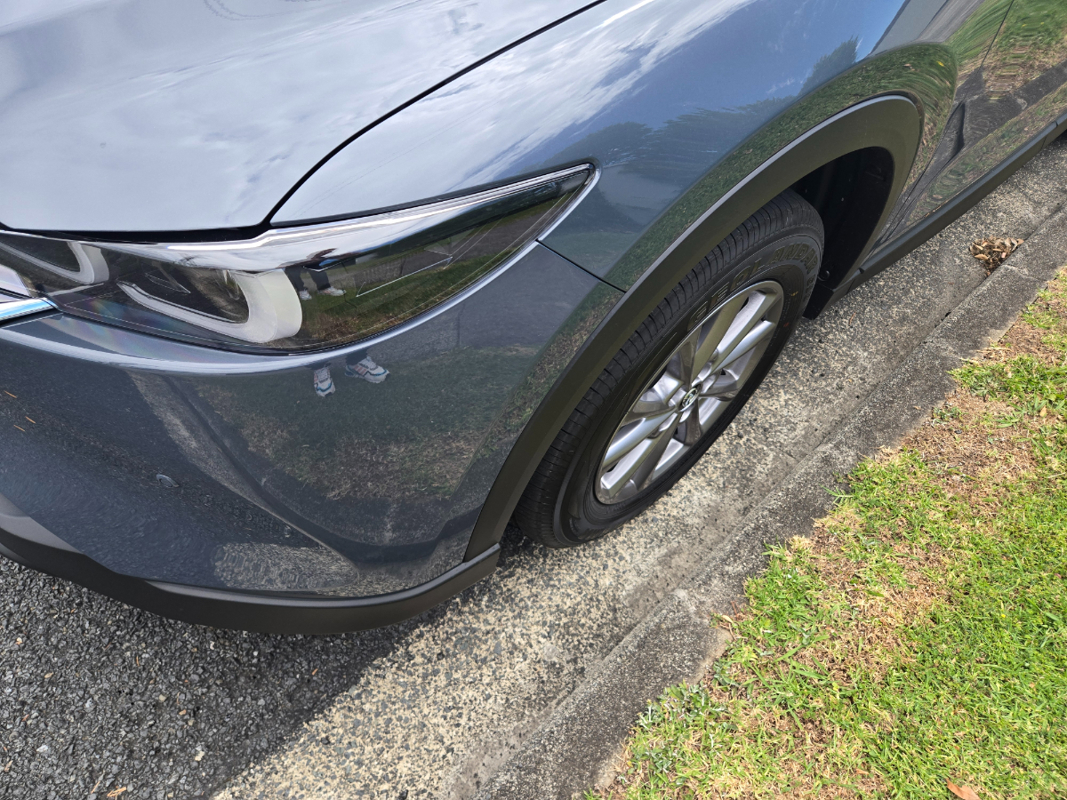
But as we embark on a few months of driving with the emphasis on city commuting and parking, we not only expect a benefit in ride quality from our modest footwear, concrete kerbs cannot frighten us.
What is the Mazda CX-5?
The company's ever-popular mid-sized SUV. It's been around for nine years now, but remains the brand's most important Kiwi model in terms of sales volume, accounting for 40% of registrations.
Why are we running it?
Because it's still popular and we want to know how it feels in a market that's largely embraced electrified powertrain technology (this model has none). It's also context, as we prepare to drive the brand-new CX-5 later this year.