



The Dongfeng brand was launched in New Zealand late last year with the Box, but this is really the one everybody's been waiting for: the Vigo, which the local distributor has been touting as the country's "best value EV-SUV".
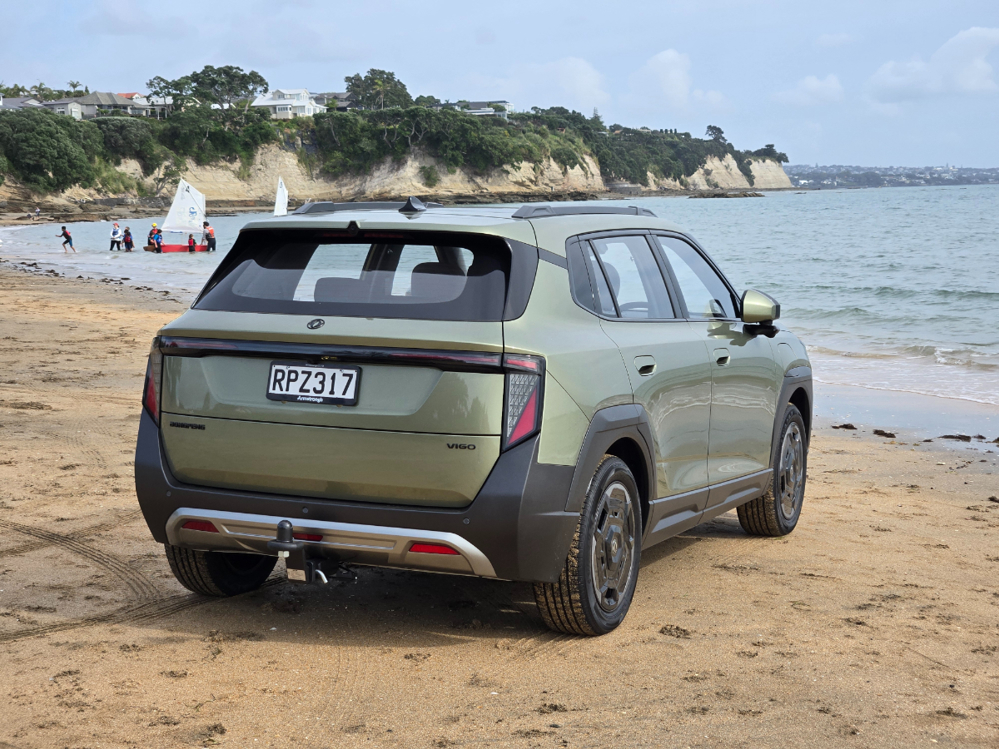
It's a compact-SUV (just 4.3 metres long, but it looks bigger) that achieves price parity with combustion rivals even at the full retail price of $39,990 - bearing in mind there's just model that comes fully featured. But until April, there's a launch offer of $37,990 and just to sweeten the deal a bit further, you'll get the $1500 panoramic glass roof thrown in.
So it's mighty appealing on paper, but what's it like to live with? Let's find out.
On the outside: what are the Dongfeng Vigo's main design features?
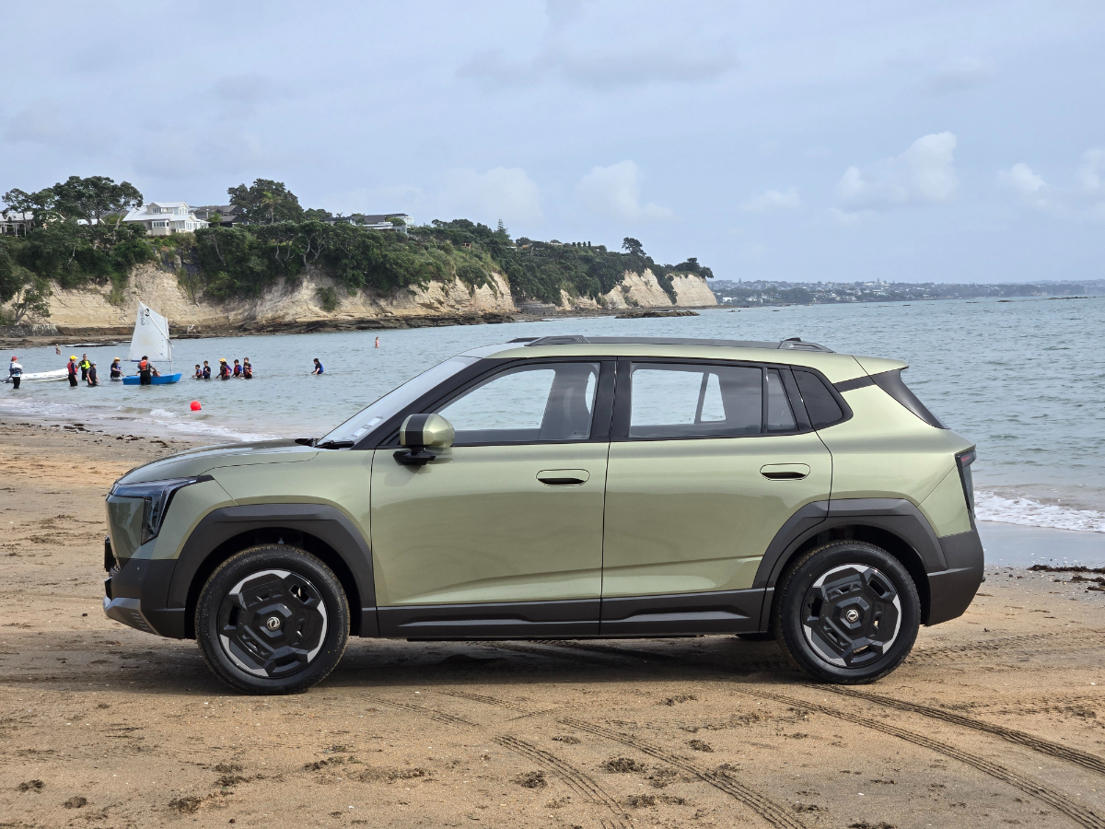
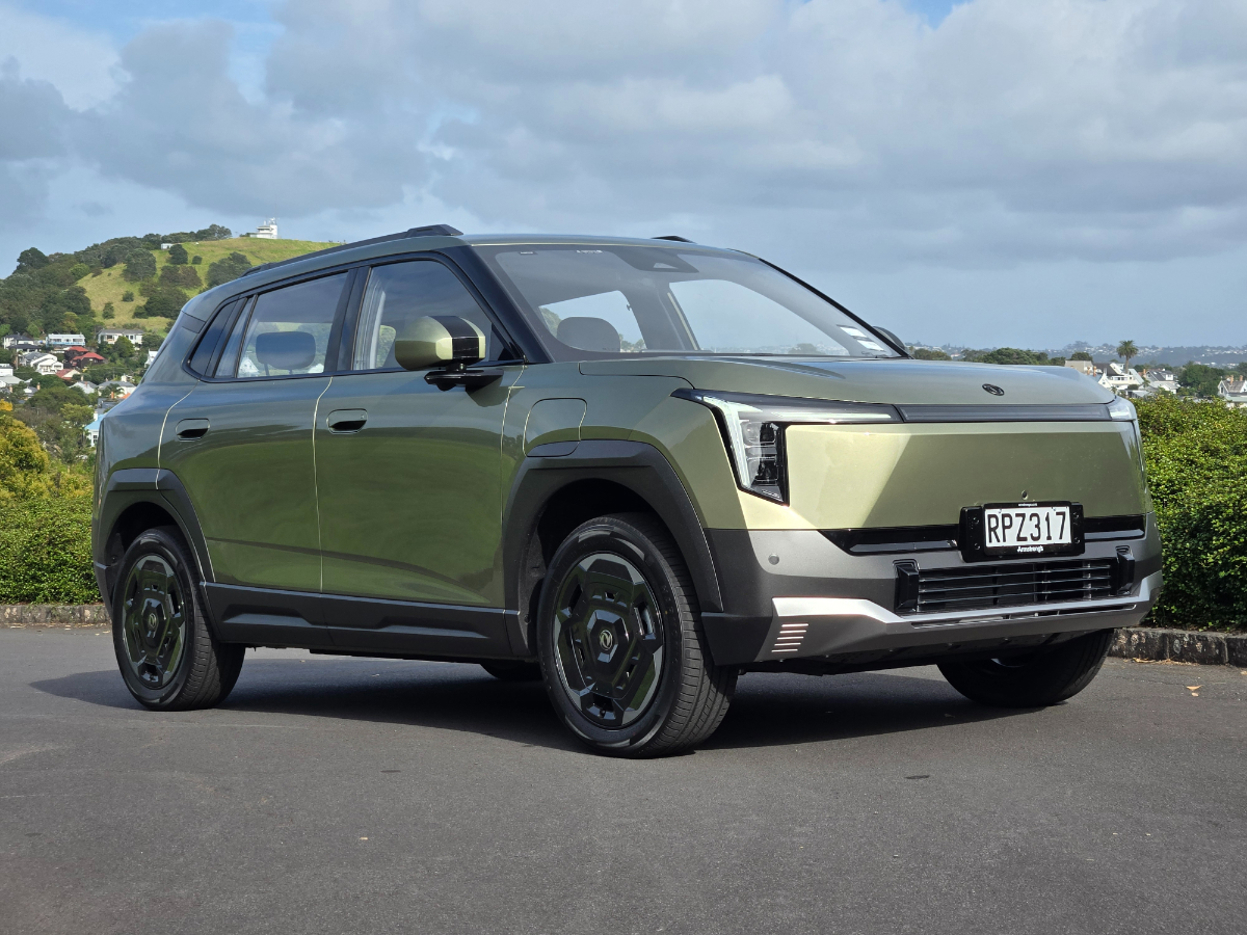
Does somebody in Dongfeng's Nammi division (that's the one that creates budget EVs like Box and Vigo) really like Kia? In fact, Dongfeng had a joint venture with Kia until 2021, so make of that what you will. The Vigo's angular body shape and industrial-chic plastic addenda could pass for a Kia EV in an instant, which is probably a compliment. Although Kia's corporate style is also very distinctive, so the, ahem, homage is also a bit obvious.
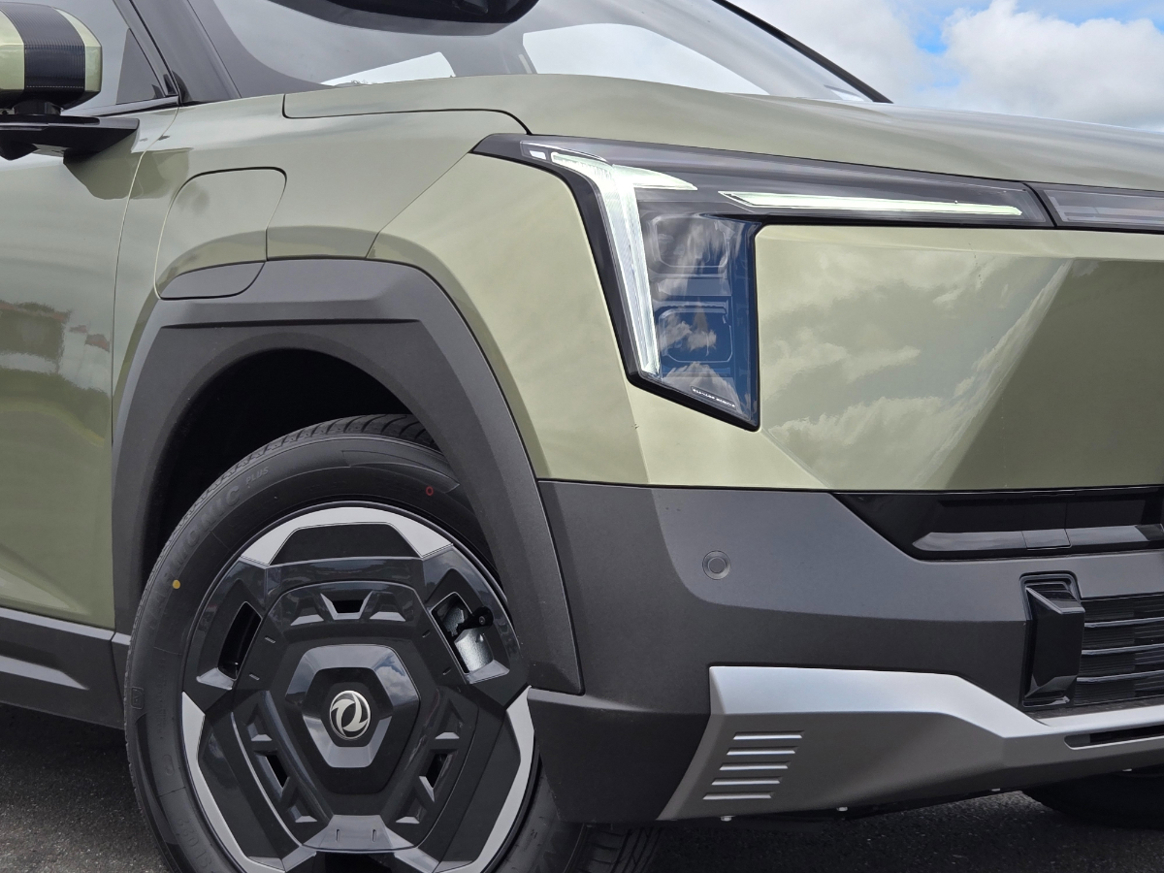
Nonetheless, the end result is a budget EV-SUV that looks pretty cool. It has a long wheelbase, minimal overhangs and some cool retro-futuristic aero covers for the alloy wheels. Interesting colours like our Wild Green add $499 to the price, but it's worth it.
OVERVIEW
| Price | $37,990 (launch offer until April 2026, then $39,990) |
| Body style | 5-door compact SUV |
| Wheels and tyres | 18in alloy wheels (with plastic aero covers), 215/55 Wanli Harmonic Plus tyres |
| Length | 4306mm |
| Wheelbase | 2715mm |
| Weight | 1572kg |
| Website | dongfeng.co.nz |
On the inside: what's the Dongfeng Vigo cabin like?
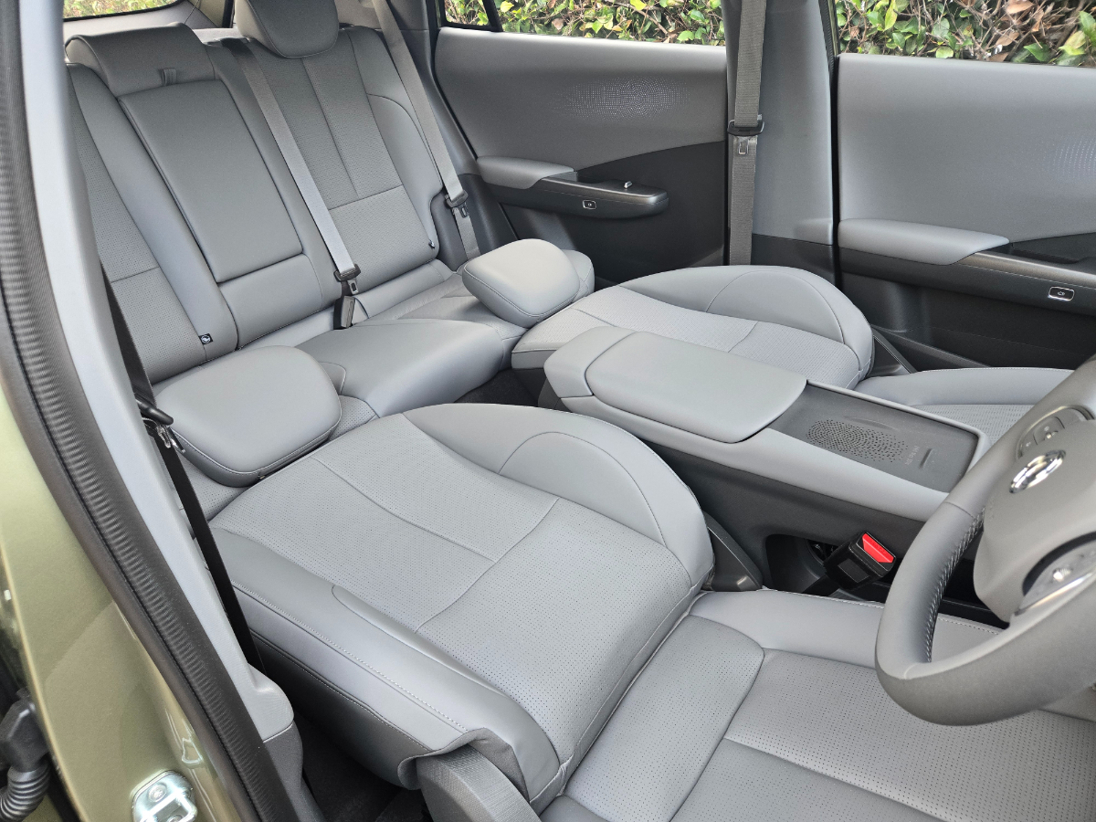
You know you're dealing with something a little bit different when there are multiple ways provided to nap in a car. Both Vigo front seats recline 175 degrees, which means you can have a proper lie-down; there's even Nap Mode in the infotainment system, complete with wake-up call.
Or fold the rear seats down and you can add a custom mattress ($440) that allows you actually sleep in the car. And yes, there's Camp Mode as well to keep the power on.
Clever cabin features are at the heart of the Vigo and largely what makes it so likeable.
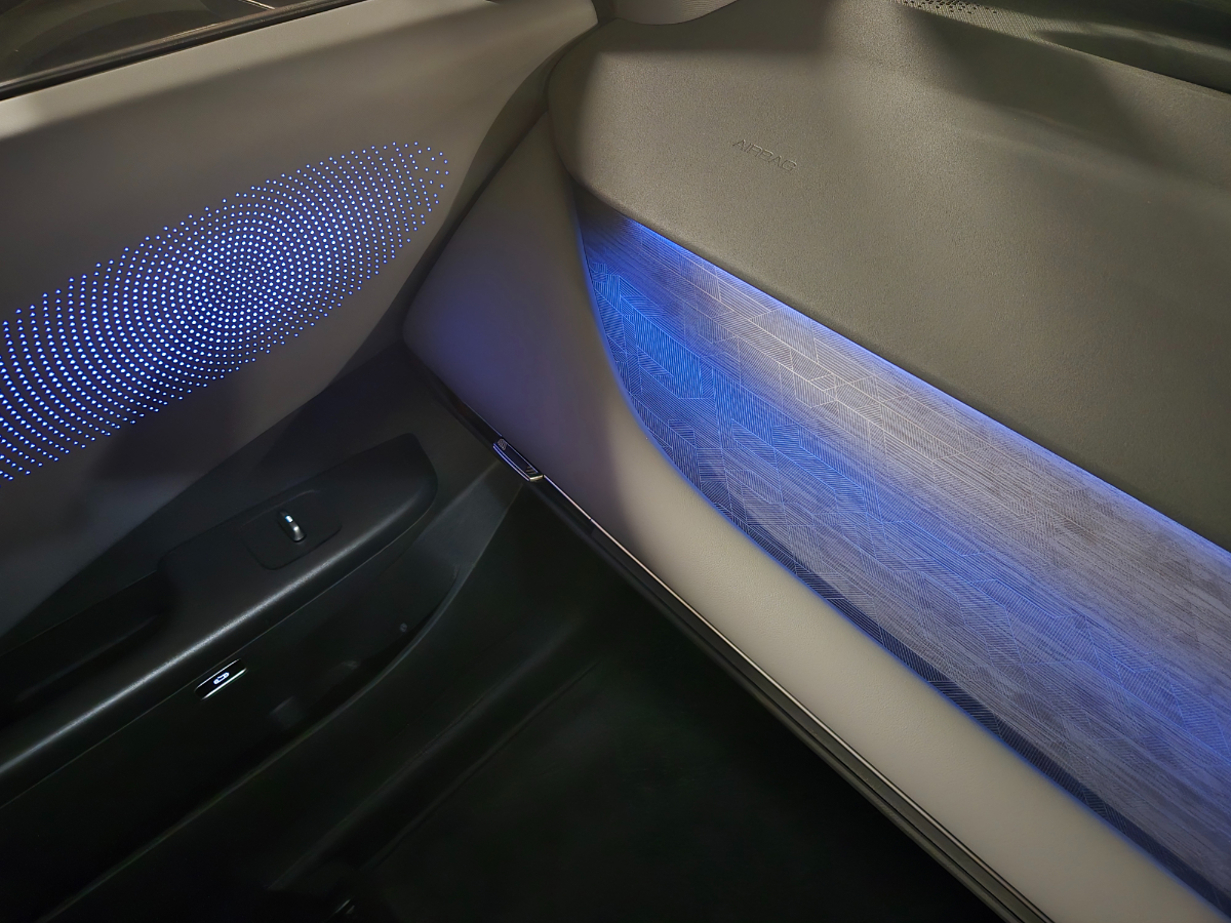
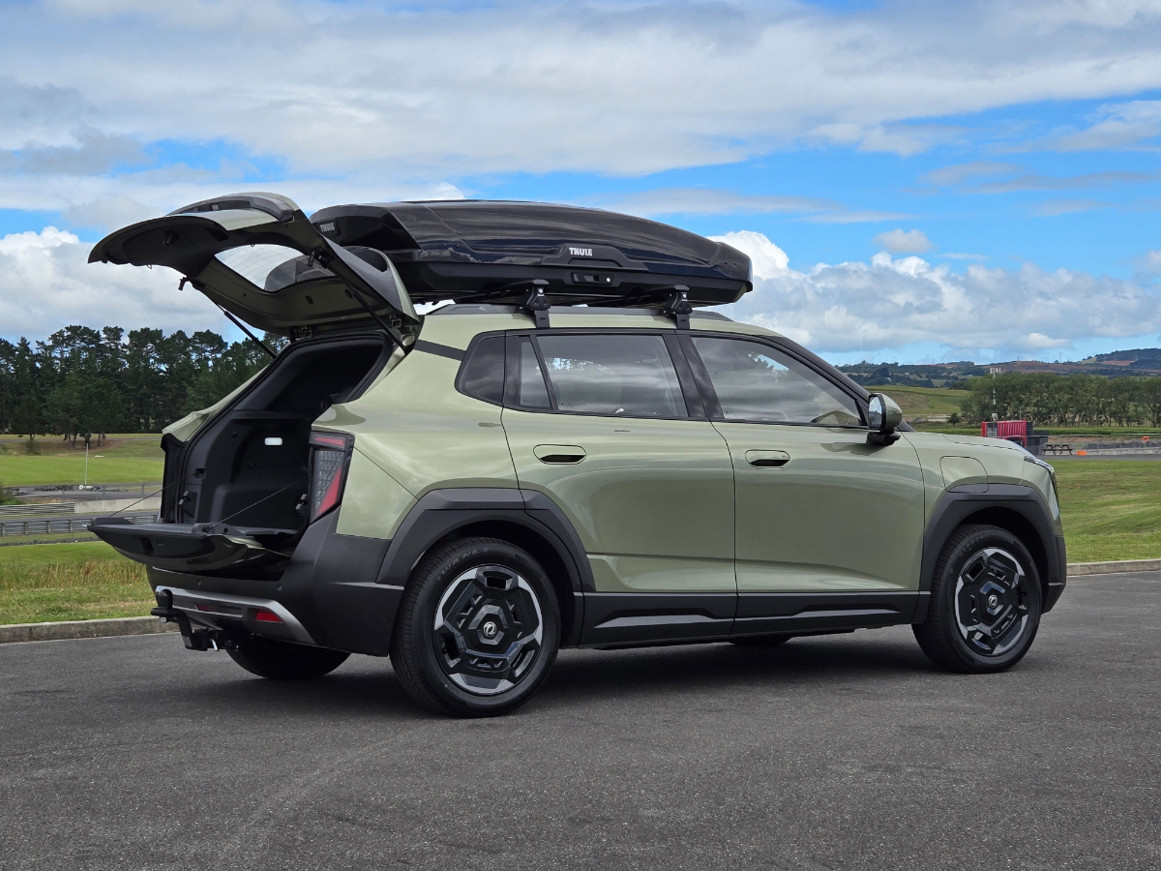
It covers the basics (like lots of storage spaces), adds a few luxury touches like 4 memory settings and auto-slide "welcome" function for the power driver's seat and 128-colour interior illumination, and then you get the surprise-and-delight stuff like sleep options and the split tailgate, which provides a 150kg platform to sit on for kids' sports days or family picnics.
There's even an external speaker at the front, which allows you to play a selection of comedy noises (barking dog, whistle) or your personal music. Only when the car is in Park, mind.
Ah yes, audio entertainment. We discovered a small quirk in the Vigo's entertainment system during our test. We found we couldn't manually select radio frequencies, and of the ones the car could scan, several were missing (it seemingly can't display station names, either). Turns out the system is incapable of tuning certain stations in the early 100MHz range, which is exactly where my station-of-choice lies. We spoke to the local distributor, which in turn spoke to the factory... and no solution yet, but they say they're working on it.
There are ways around it, of course, including streaming the desired station from your phone via Bluetooth. But it's all very odd.
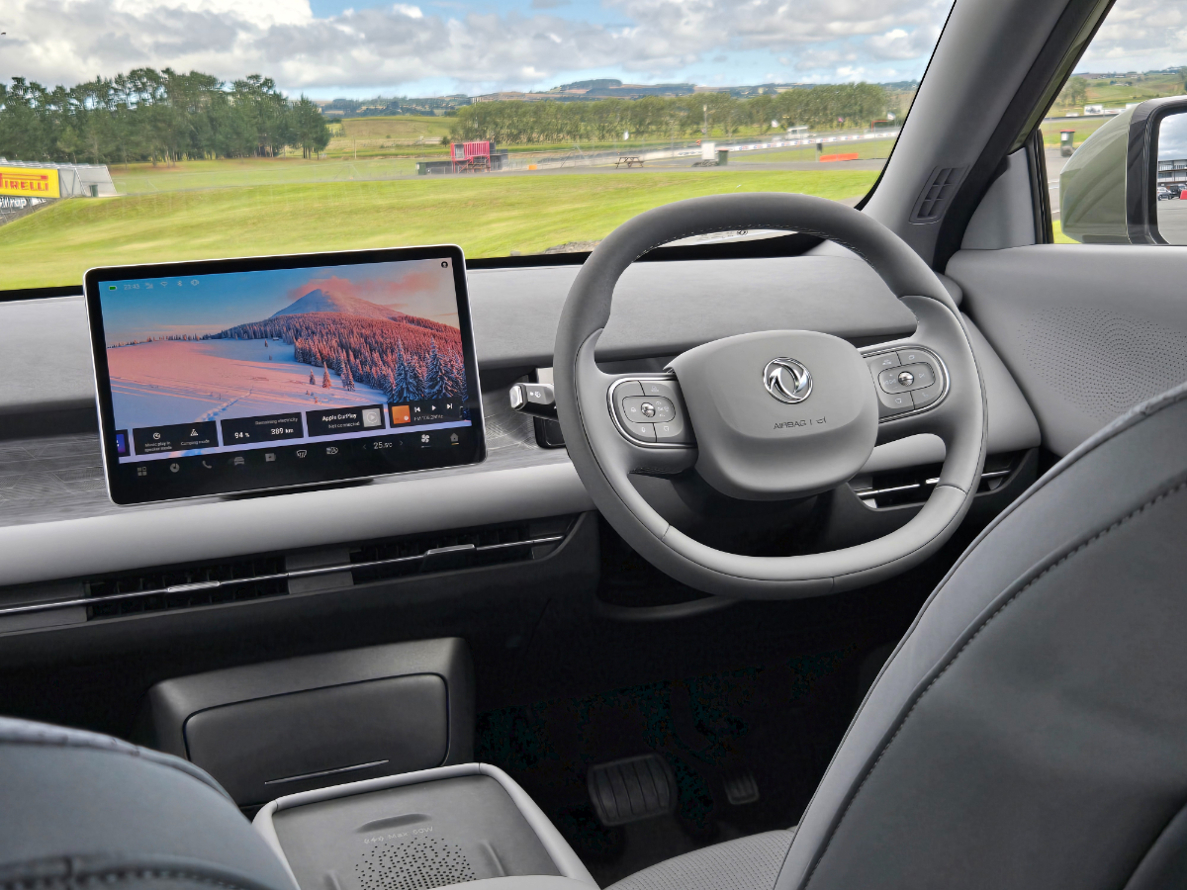
And speaking of streaming... while Apple CarPlay is fully integrated and wireless, Android Auto is a $390 option, activated via a small software change and plug-in dongle. This was installed half-way through our review (all the whining about the radio seemed to help). But it's all pretty aftermarket in nature and not ideal.
The display is a bit fuzzy (it seems to be simply a scaled-up projection of the actual phone screen), it's slow to connect, sluggish to respond on-screen, drops out constantly and we couldn't get it to play Apple Music (the Google version of the app) for more than a few seconds. We wouldn't bother with it, so if you want the car and want phone projection/navigation (there's no embedded nav), be part of the Apple cohort and be done with it.
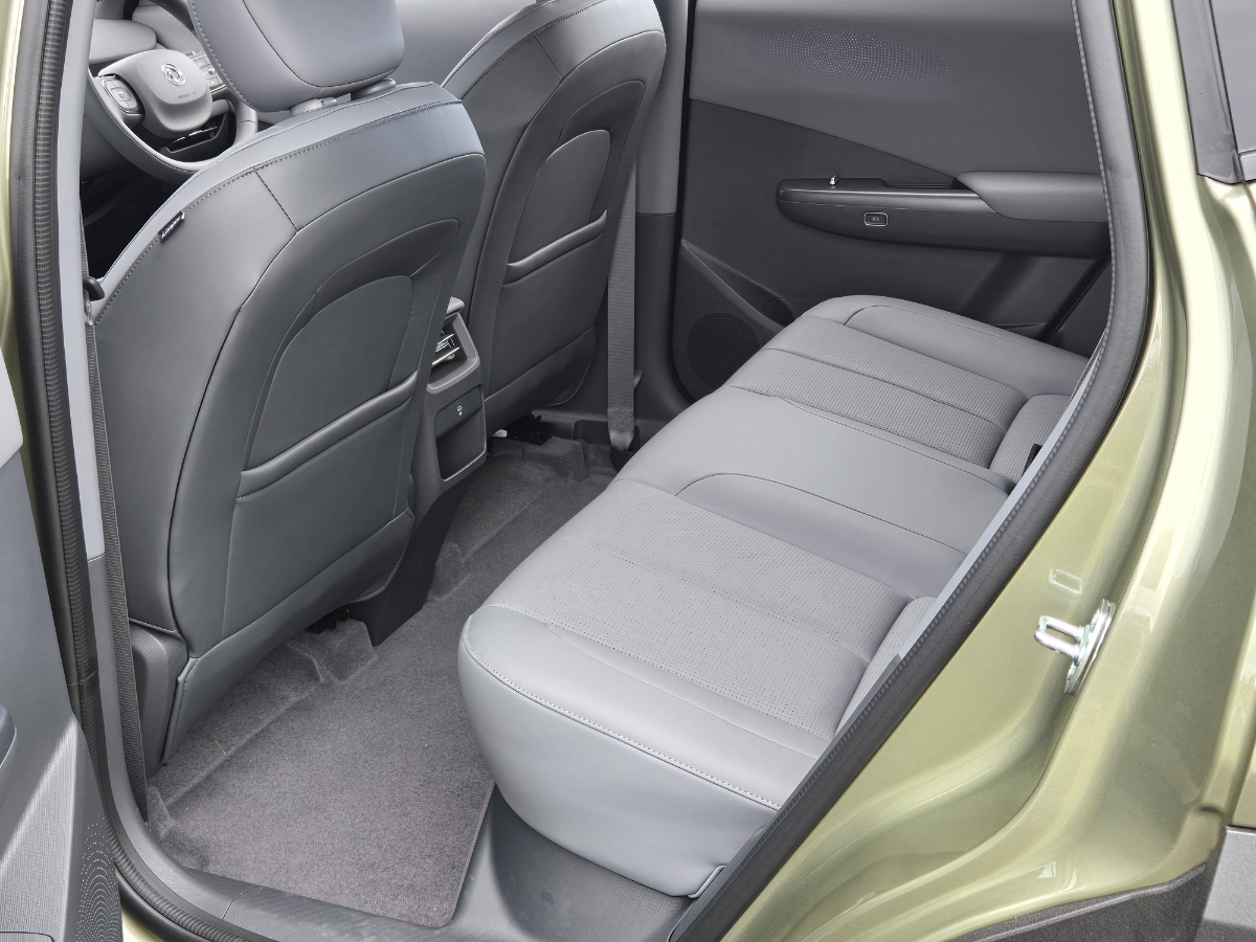
The physical interior environment is brilliant. Good quality, nice textures all around, a logical/simple infotainment OS and generous occupant space front and reat thanks to a long wheelbase and flat EV floor. It's a compact-SUV that provides medium-SUV levels of space.
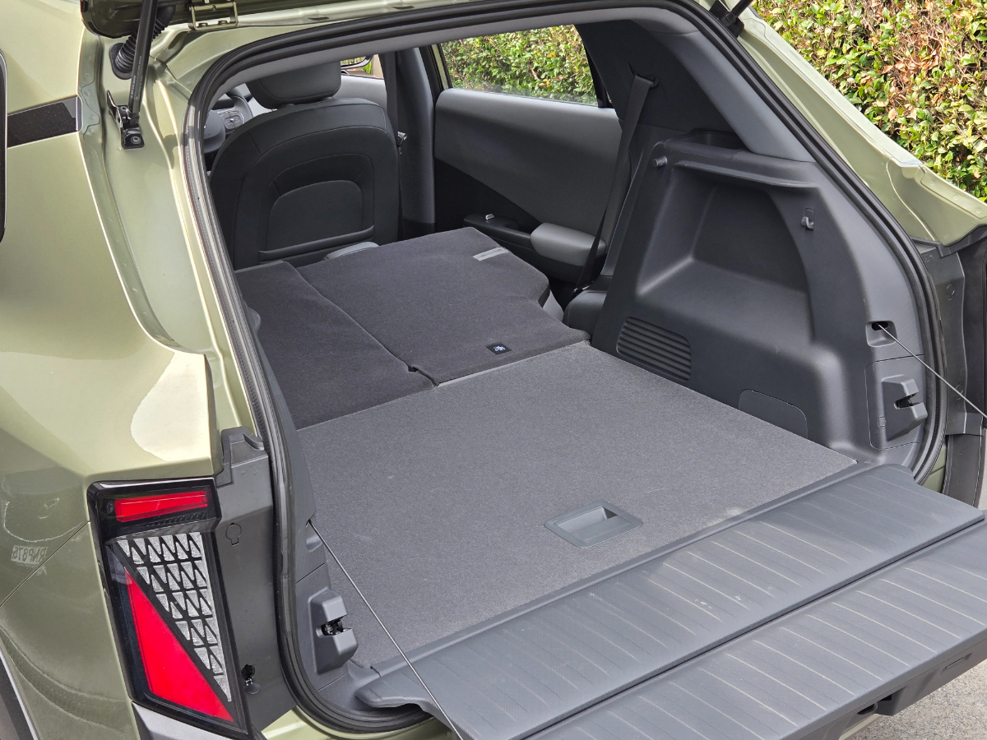
That goes for the boot, too, which can offer up to 500 litres (that's huge for a small car), split between three levels. The double-floor lines up with the folded rear seats for flat load-through, or a bed of course, but there's also a deep well underneath (and another smaller one under that) for more storage.
INTERIOR
| Head-up display | No |
| Infotainment screen | 12.8 inches |
| Phone projection | Wireless Apple CarPlay standard, Android Auto (optional, $390) |
| Wireless phone charger | Single |
| USB ports | 2x USB-C front, 1x USB-A front overhead, 1x USB-C rear, 12v front, 12v cargo |
| Climate control | Dual zone |
| Front seat heating/ventilation | Yes/yes (driver only) |
| Front seat adjustment | Power 4-way with 4-position memory for driver and front passenger |
| Boot capacity | 500 litres |
| Rear seat split/fold | 60/40 |
| Power tailgate | No (optional, $1690) |
On the road: what's the Dongfeng Vigo like to drive?
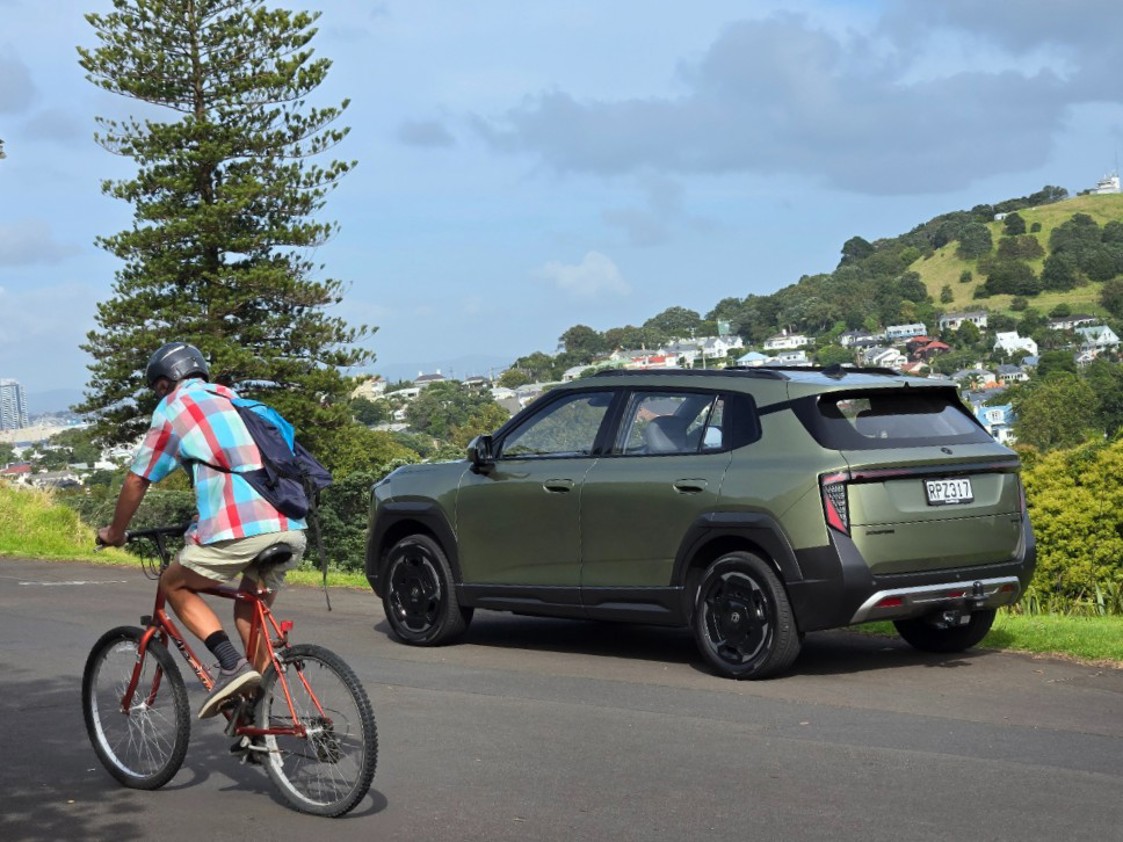
Vigo is perky around town thanks to instant EV torque, but it's not overdone. The powertrain is calibrated to deliver its power in quite a linear way, so you're not in any danger of wheelspinning away from the lights when you're in a hurry. Unless you really try.
It doesn't have headline power output, but Vigo is fairly light for an EV: less than 1.6 tonnes. It'll get to 100km/h in 7.8 seconds, which is suitably brisk for a compact family SUV/hatch.
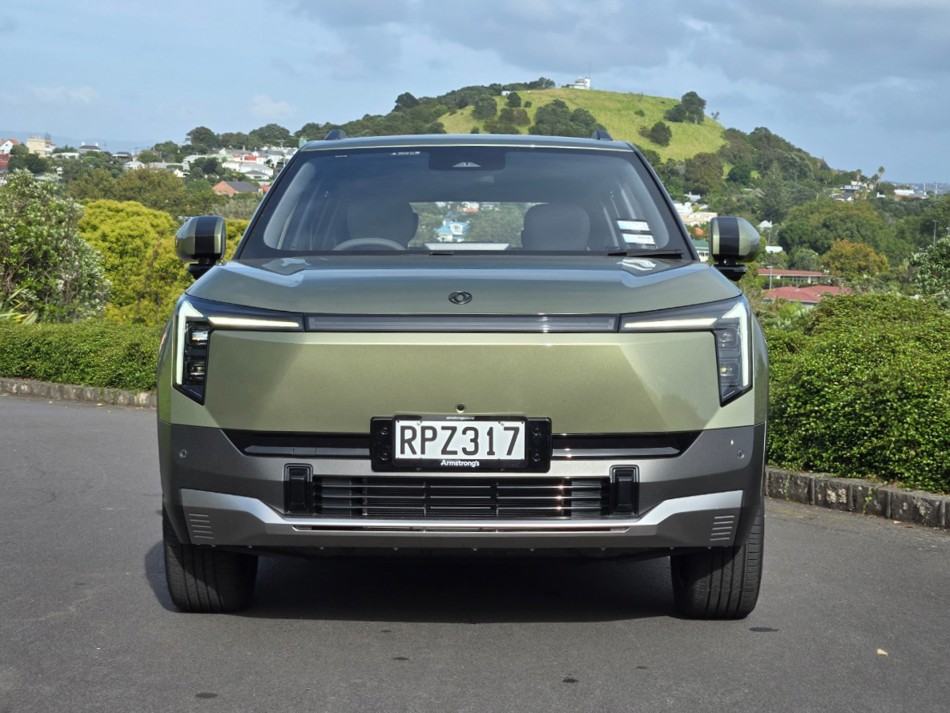
It's soft, very soft. Saying it's built for comfort is a huge understatement. The steering is absolutely devoid of feel and the suspension is seemingly based on marshmellow technology. These are desirable traits for many EV buyers and actually, once you get into the swing of it, Vigo can be quite a calming thing to drive around town.
You can dial up the drive modes to Sport for a bit more vehicular interaction; doesn't change the fundamental character of the powertrain, but it does add a bit more weight to the steering. Weight, not feel.
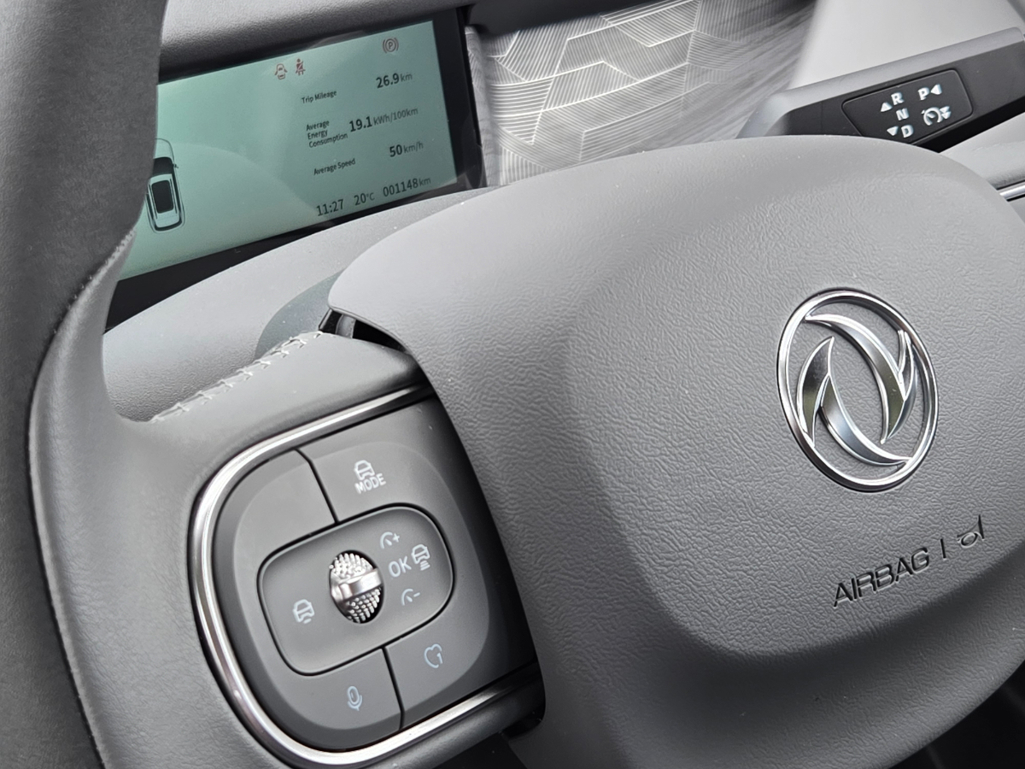
The squishy ride and limited suspension control are out of their depth on the open road, though. Even at modest cornering speeds, the Vigo scrubs into understeer straight away and the suspension starts to yaw. So yeah, it's really not for that.
The adaptive cruise also has its issues. It's smooth in urban driving and on the motorway, but if you use it on 80-100km/h country roads it washes off up to 30km/h at the merest sniff of a corner, often resulting in a line of annoyed traffic behind.
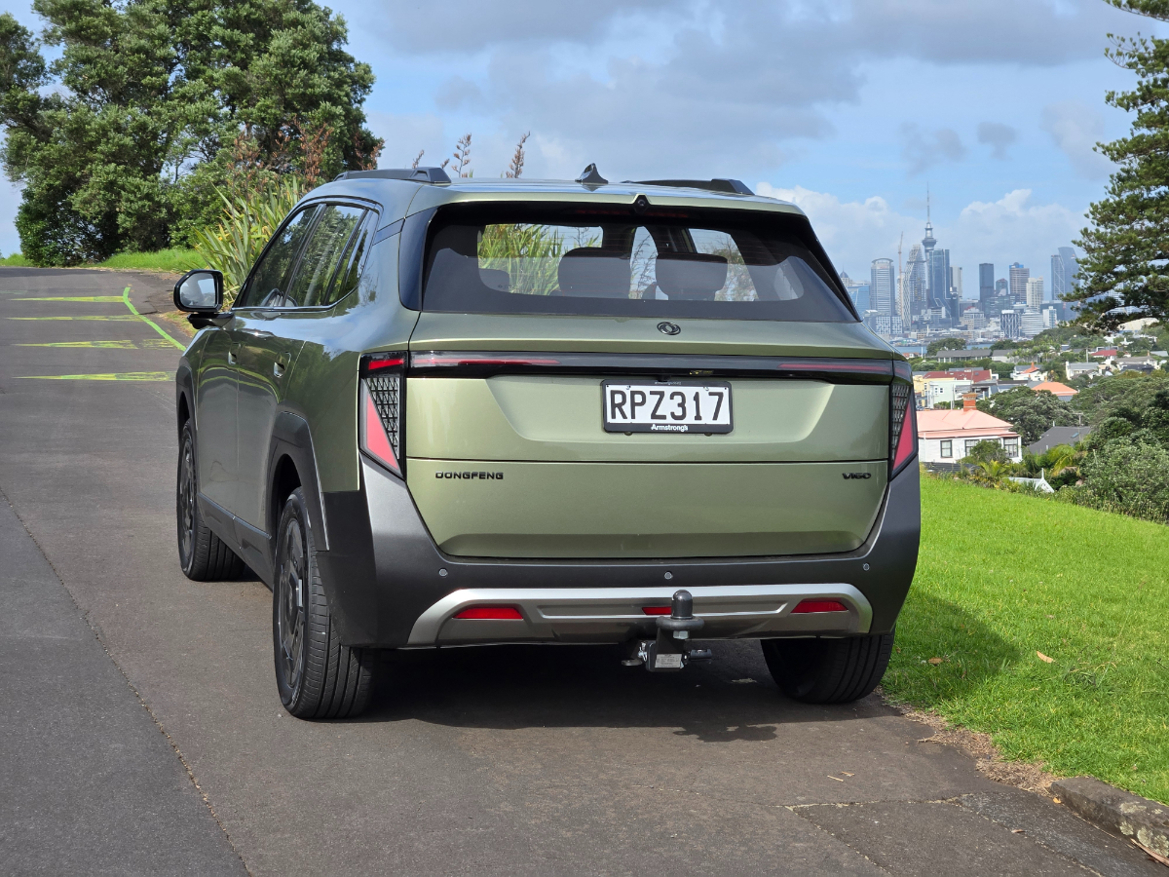
Vigo is quiet and reasonably stable on the motorway, but there are driver-assist issues here too. The lane-keep system is maddening: it seems to want to nestle into the left-hand white line, drawing you inexorably that way even when the road is straight and you're driving in the centre of the lines. And when you get there, it panics and jerks the wheel back towards the right.
We often grumble about the driver-assists in new-gen cars, but this is one that we'd argue you do have to turn off every time you drive, for both occupant-comfort and safety reasons. It's an easy but still-annoying process, three clicks on the screen; it defaults to on, so you have to do it every time you start up.
SPECIFICATIONS
| Powertrain type | Battery electric |
| Battery | 51.87kWh LFP |
| Power | 120kW |
| Torque | 230Nm |
| Transmission | Single-speed, FWD |
| Power to weight | 76kW/tonne |
| Adaptive suspension | No |
| Efficiency | 17-19kWh per 100km (claim) |
| Range | Range 340km (WLTP) |
| Tow rating | 750kg |
On ownership: what's the Dongfeng Vigo warranty and servicing situation?
Dongfeng covers the car for 6 years/200,000km and the traction battery for 8 years/200,000km. It comes with 6 years roadside assist. Service intervals are 12 months or 15,000km, whichever comes first.
On the whole: what do we think of the Dongfeng Vigo?
It's a hugely likeable car in some respects: the blend of budget price with high equipment levels, the chunky styling and the spacious and clever interior. For a certain use-case, you could buy the Vigo and really enjoy it.
But you do have to remember it's a city SUV with picnic-capability, not a high-speed machine. The chassis doesn't like the open road and the lane-keep assist is infuriating on the motorway. We have to report as we find of course, but that's the kind of thing that can be fixed with a software update very quickly, once Dongfeng gets more of a handle on Kiwi driving conditions.
Dongfeng Vigo FAQs
What kind of car is the Dongfeng Vigo?
A 5-door compact SUV.
Does the Dongfeng Vigo have hybrid or EV technology?
It's pure-electric.
What’s the efficiency of the Dongfeng Vigo?
The company claims approximately 17-19kWh/100km. The WLTP range from the 51.87kWh battery is 340km.
Is the Dongfeng Vigo safe?
Vigo hasn't been tested by ANCAP, but it carries the default 5-star rating from NZ's VSRR (vehicle safety risk rating) system. To learn more about that, click here.
What safety and assistance features does the Dongfeng Vigo have?
| Intelligent lights | Adaptive LED headlights |
| Rain sensing wipers | No |
| Airbags | 6 (dual front, side front, side-curtain front and rear) |
| Adaptive cruise control | Yes |
| Driver attention monitor | Yes |
| Traffic sign recognition | Yes |
| Forward collision warning | Yes |
| Blind spot warning/assist | No/no |
| Lane departure warning/assist | Yes/yes |
| Rear cross traffic alert/braking | No/no |
| Reverse collision braking | No |
| Parking sensors | Front/rear |
| Camera system | 360 degree |
What are the Dongfeng Vigo's main rivals?
- BYD Atto 2 Dynamic ($39,990): Conservative but polished, sub-$40k only gets you the base car though
- Omoda E5 ($36,990): Quietly capable, more high hatchback than SUV though
- Jaecoo J5 ($42,990): Newcomer from Chery's SUV brand, much shared with Omoda E5 above
- Toyota Yaris Cross GX ($39,690): Not electric but hybrid, still super-frugal and established credibility
- MG ZS Essence Hybrid+ ($38,990): Another hybrid, but trick gearbox makes the most of electric drive