



What’s this new car all about then?
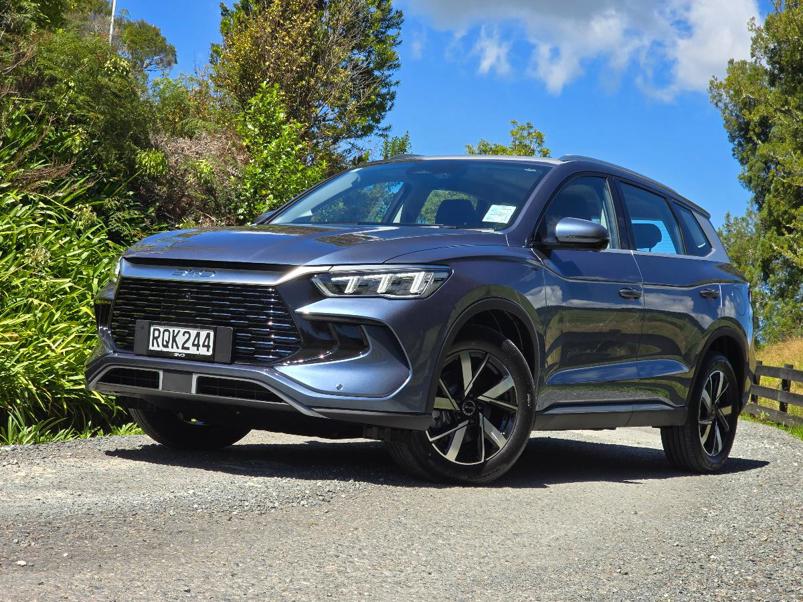
The BYD Sealion 5 is a plug-in hybrid SUV that serves as the smaller sibling to the successful Sealion 6 in BYD's New Zealand line up. Known as the Song Pro in its home market of China, the vehicle has been available there since 2019 and is part of the brand's Dynasty series, the same as the Atto 3 (which is called the Yuan Plus in China).
The Sealion 5 we get here is basically the 2023 updated version of the Song Pro, which features a new front-end design and is also sold in other markets like Australia and the Philippines.
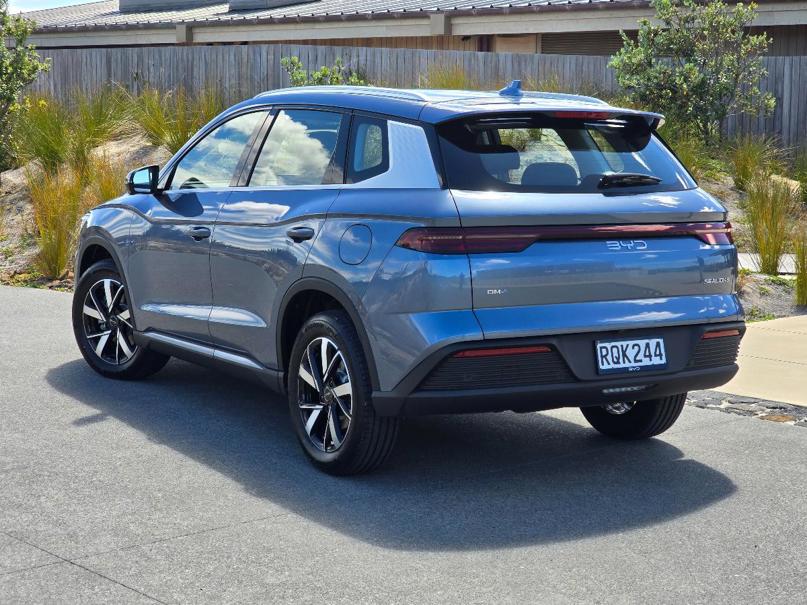
Mechanically, the Sealion 5 uses BYD's "super hybrid" DM-i (Dual Mode Intelligence) system, which pairs a 1.5-litre four-cylinder petrol engine with an electric motor. Both available trims - Essential and Premium - are front-wheel drive and share a maximum combined power output of 145kW and 300Nm of torque.
The difference comes, however, not just in spec levels, but also in the fact that the Premium gets a larger battery and, therefore, more all-electric range. The Essential uses a 12.9kWh battery for an NEDC claimed range of 71km, while the Premium boasts an 18.3kWh battery and an NEDC range of 100km.
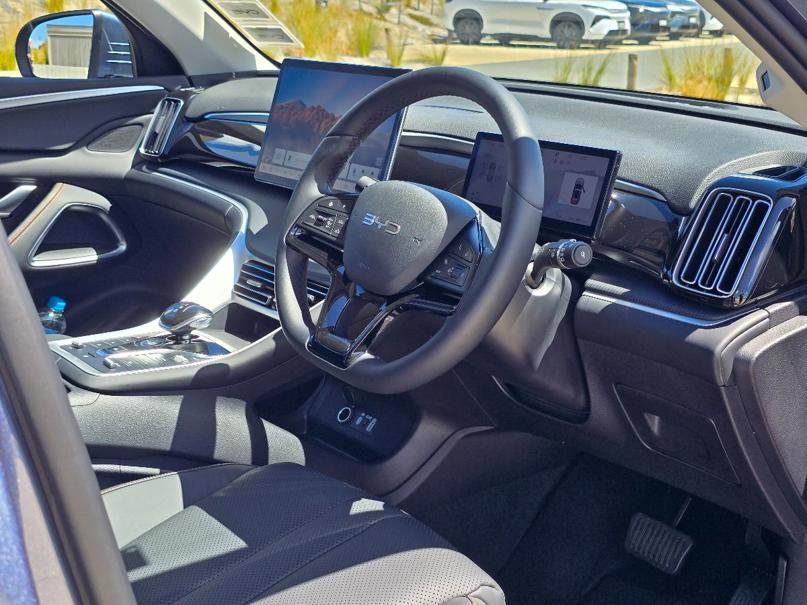
Of course, NEDC numbers are considerably more generous than the WLTP standard we use here, so expect less than this in real world usage.
How much is it?
While the first 200 units were offered here at $39,990 for the entry level Essence model and $45,990 for the top-spec Premium model, BYD NZ says there are only a handful left of this first run of cars, and pricing has increased for future shipments.
As such, the Essential model is now priced at $42,990, while the Premium model, with its larger battery and additional features, is available for $48,990.
What’s it like on the road?
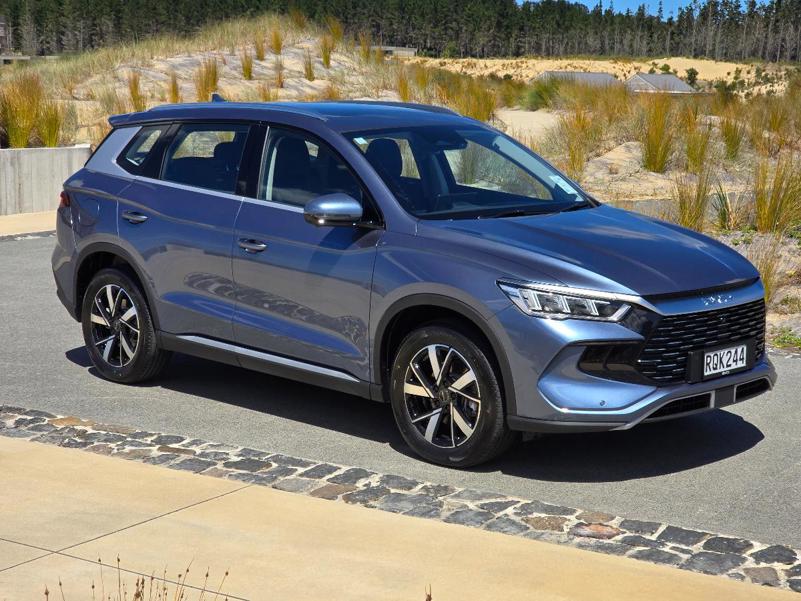
The BYD Sealion 5 offers a perfectly competent, albeit not exceptional, driving experience. While it seems damning to say this, but it is the least impressive of BYD's range to drive.
Generally speaking, the Sealion 5 is pretty much what you would expect a mid-size hybrid SUV to be, with no surprises; good or bad.
Of course, it must be kept in mind that this is a relatively high bar, meaning that while the Sealion 5 may be the least engaging BYD, it is still significantly better than most of its direct Chinese made competition, and at the very least largely on par with similar offering from Japanese and Korean carmakers.
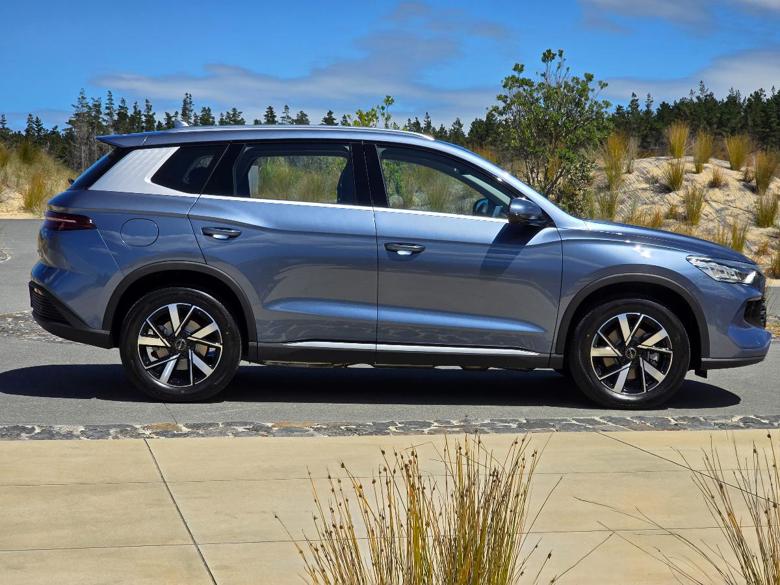
The Sealion 5 has a compliant primary ride, with noticeable, but well controlled, body roll and a tendency to lean towards gentle and progressive understeer when pushed. The secondary ride, however, has a harder edge to it, which feels like the tyres are over-inflated. They aren't - our car was running at around 40psi, which is standard fare for heavier PHEVs and EVs - but the feeling was present on all surfaces.
On the positive side, the driver assistance systems are largely effective and subtle; the driver monitoring system is unobtrusive, and the lane assist, though a bit "nippy" with slight wheel tugs, is is generally well calibrated.
Power delivery from the hybrid powertrain is adequate and acceptable, while the steering is nicely weighted and accurate but lacks engagement. Generally speaking, the Sealion 5 is pretty much what you would expect a mid-size hybrid SUV to be, with no surprises; good or bad.
What’s the pick of the range?
While the Essential trim offers everything necessary at a very reasonable price, the Premium model is arguably the superior value proposition.
The difference comes not just in spec levels, but also in the fact that the Premium gets a larger battery and, therefore, more all-electric range.
The Premium variant includes a significant boost in equipment, adding features such as heated and ventilated front seats, a power-adjustable passenger seat, a larger touchscreen infotainment system, a nine-speaker audio system, and a wireless phone charger. The added equipment effectively accounts for the $6000 price difference, making the larger battery a bonus for those who can make use of the extended electric range.
What other cars should I consider?
The BYD Sealion 5 competes in the crowded medium SUV segment against a host of established rivals. Key competitors to consider include the Toyota RAV4 ($49,990 to $66,990), Nissan X-Trail ($45,990 to $50,990), Honda CR-V ($51,000 to $75,000) and Mitsubishi Outlander ($43,990 to $81,990), although only the RAV4 and Outlander offer PHEV models, with the RAV4 PHEV priced from $57,990 to $66,990, and the Outlander PHEV priced form $64,990 to $81,990.
It also faces growing competition from other Chinese brands such as MG, Chery and Haval, particularly as they introduce their own 'super hybrid' models, but the Sealion 5 stands out for its strong value, priced competitively even against its direct Chinese counterparts.


