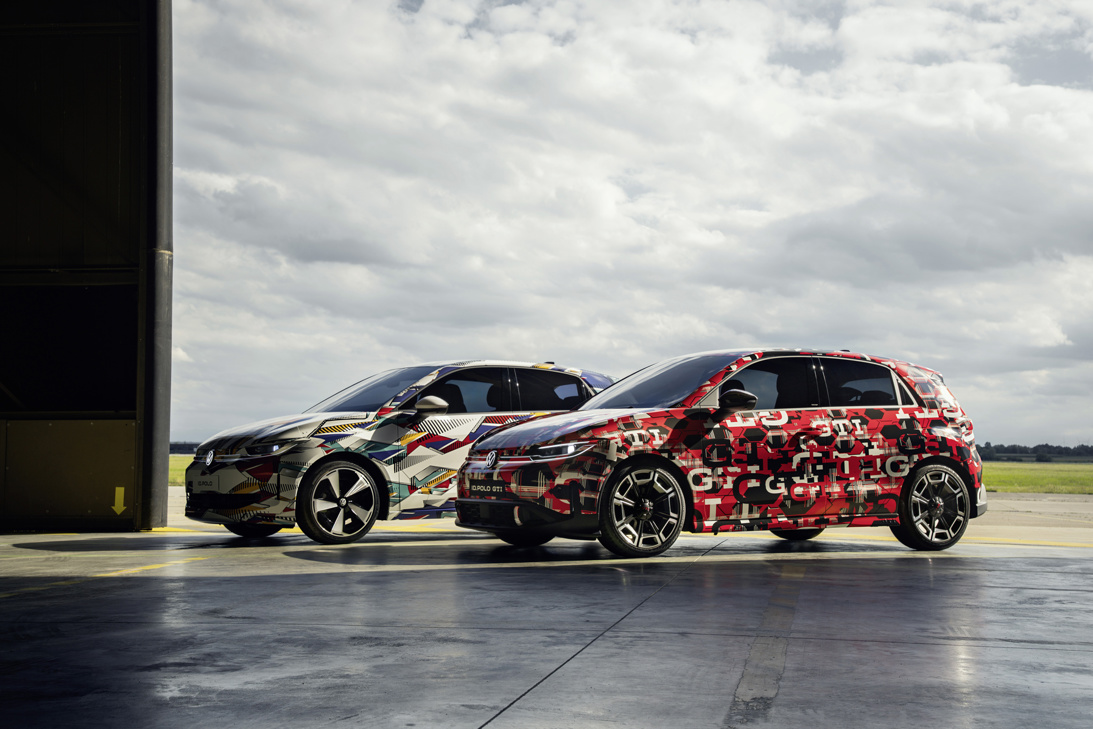



- VW's near-production ID. Polo introduces a new cockpit architecture shaped by customer feedback.
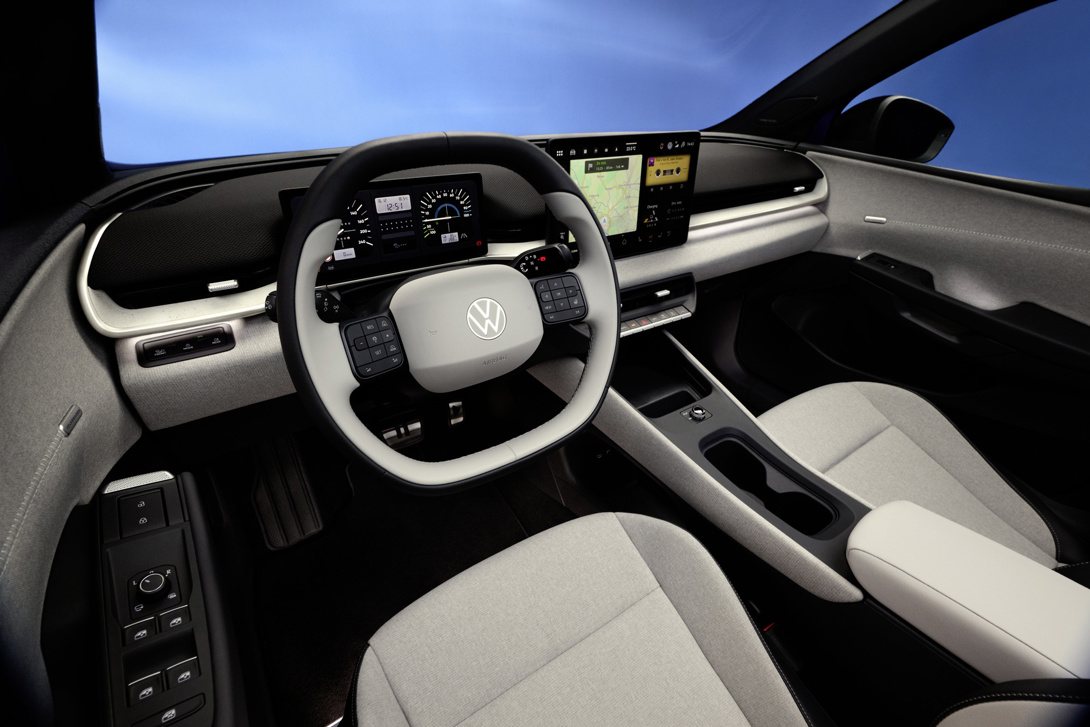
- The cabin pairs a 26cm instrument display with a 33cm infotainment touchscreen.
- New software adds one-pedal driving, enhanced parking assistance and optional Travel Assist functions.
Volkswagen has pulled the covers off a new interior and cockpit direction for its electric cars, and it starts with the all-new ID. Polo. Shown here in near-production form, the small EV previews a cabin philosophy that leans harder into physical controls, cleaner design and, unexpectedly, a splash of 1980s nostalgia.
The brief from Wolfsburg is simple enough: listen to customers. The result is a cockpit that pares back visual clutter, restores proper buttons and aims to feel more intuitive from the first drive.
Buttons are back (mostly)
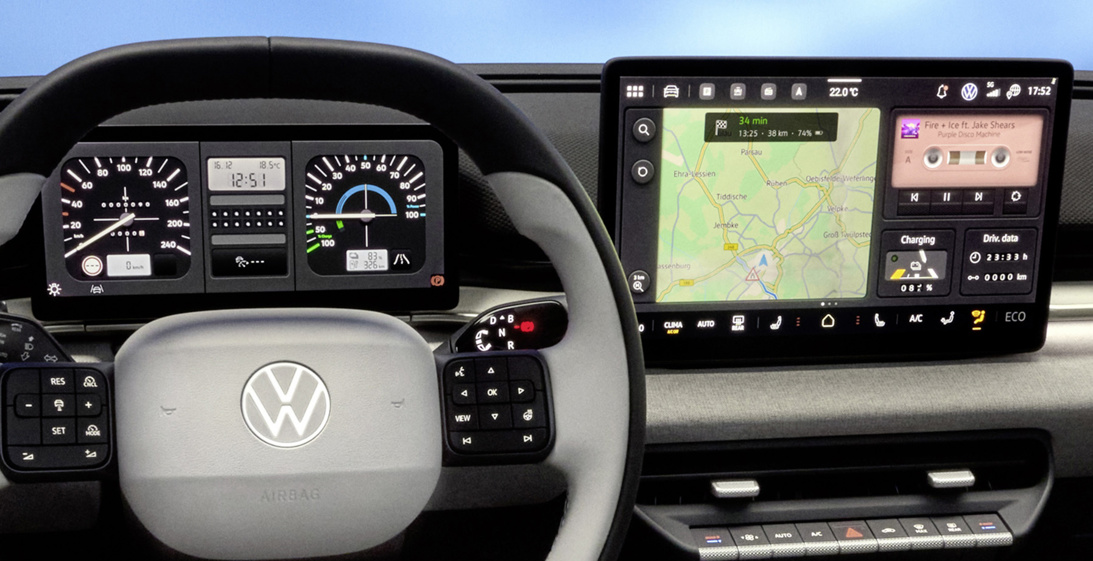
Volkswagen says the ID. Polo’s interior has been “systematically optimised” based on customer feedback, and it shows. Touch sliders are out of favour; physical buttons for key functions are back in the spotlight.
Climate controls and hazard lights now live on a dedicated strip beneath the infotainment screen, while the new multi-function steering wheel uses clearly defined button zones rather than haptic guesswork.
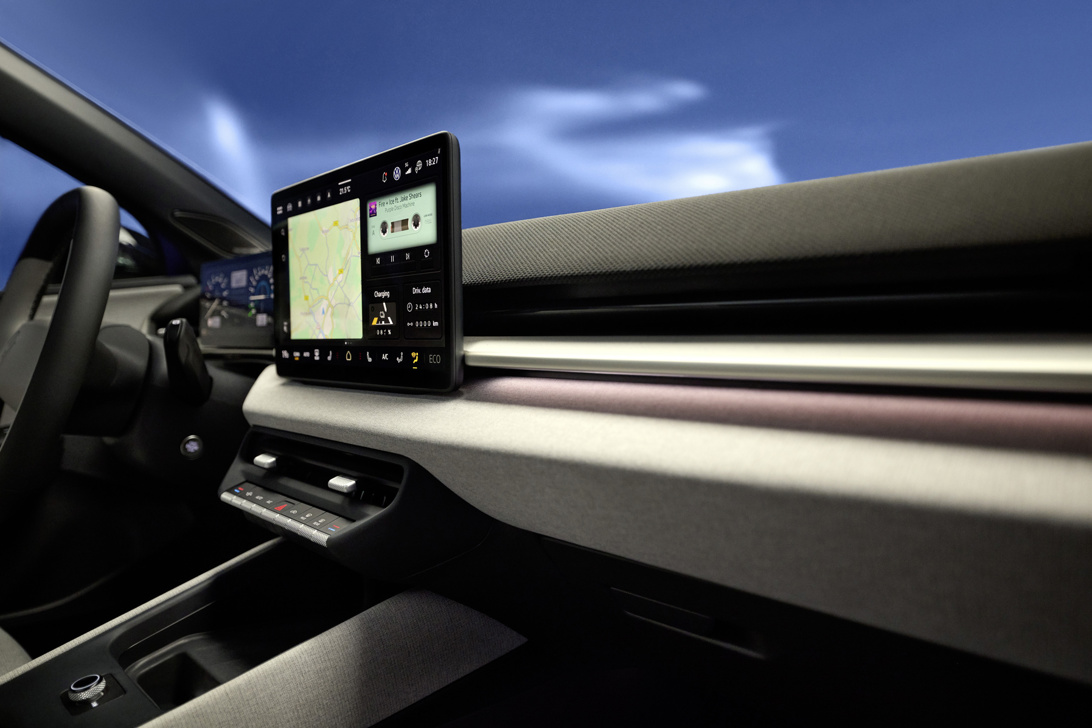
Two large displays dominate the dashboard, aligned on a single horizontal plane. The digital instrument cluster measures 26.0cm (10.25 inches), while the central infotainment screen stretches to 33cm or nearly 13 inches, which VW claims is class-leading. Graphics are high-resolution and pared back, with tidy menu structures designed to reduce distraction.
A Polo with a long memory
The biggest curveball is the “retro display”. At the press of a button (either on the steering wheel or via the touchscreen), the digital instruments switch to classic layouts inspired by the original Golf from the 1980s. It’s a playful touch, and one that feels aimed squarely at brand loyalists who remember when dials were dials.
Volkswagen’s design boss Andreas Mindt describes the ID. Polo as “an affordable friend for everyday life”, adding that the interior should feel welcoming and familiar rather than techy for tech’s sake.
Software does some heavy lifting
Underpinning the new cabin is a fresh software generation that brings tangible functional upgrades. These include one-pedal driving, more capable parking assistance, and an optional new generation of Travel Assist. VW says the latest system will eventually be able to recognise red traffic lights and stop signs, adding another layer of semi-automated support in urban driving.
There’s also an evolved version of ID.Light, Volkswagen’s illuminated communication strip. It now spans the full width of the dashboard and extends into the doors for the first time, providing visual cues for navigation and driver assistance functions.
Volkswagen hasn’t disclosed performance figures, battery sizes or range for the ID. Polo yet. For now, the spotlight is firmly on the cabin, and if this interior sets the tone for future ID models, Wolfsburg may have finally found a better balance between digital ambition and human habits.