



- Idemitsu is building a pilot plant to manufacture solid electrolytes for Toyota's solid-state battery packs.
- Toyota's first-gen solid-state batteries aim for 1000km range and 10-minute charging.
- Toyota is securing critical supply chains through partnerships for cathode materials.
After years of research promises, Toyota's solid-state battery timeline is crystallising.
Last week, Japanese oil refiner Idemitsu Kosan, already working with Toyota on solid-state development, announced construction of a new facility dedicated to manufacturing advanced solid electrolytes. This is seen as the tangible step that turns hype into hardware.
From lab triumph to factory scale

Idemitsu has already proven the concept works. Two smaller demonstration facilities have successfully produced solid electrolytes in limited quantities. The new pilot plant, expected to complete by the end of 2027, represents a massive scale-up.
Once operational, it could produce several hundred tonnes of solid electrolyte annually, enough to support meaningful EV production.
This timing matters. Toyota's 2023 roadmap targeted 2027 to 2028 for first-generation solid-state batteries in production vehicles. If Idemitsu's facility opens on schedule, supply chains will align with vehicle launches rather than constraining them.
The supply chain picture
Toyota isn't betting on Idemitsu alone. It's also partnered with Sumitomo Metal Mining to secure high-performance cathode materials, which is another critical component of solid-state cells.
This multi-vendor approach hedges risk and ensures Toyota isn't dependent on a single bottleneck for any critical material.
What It means for the road
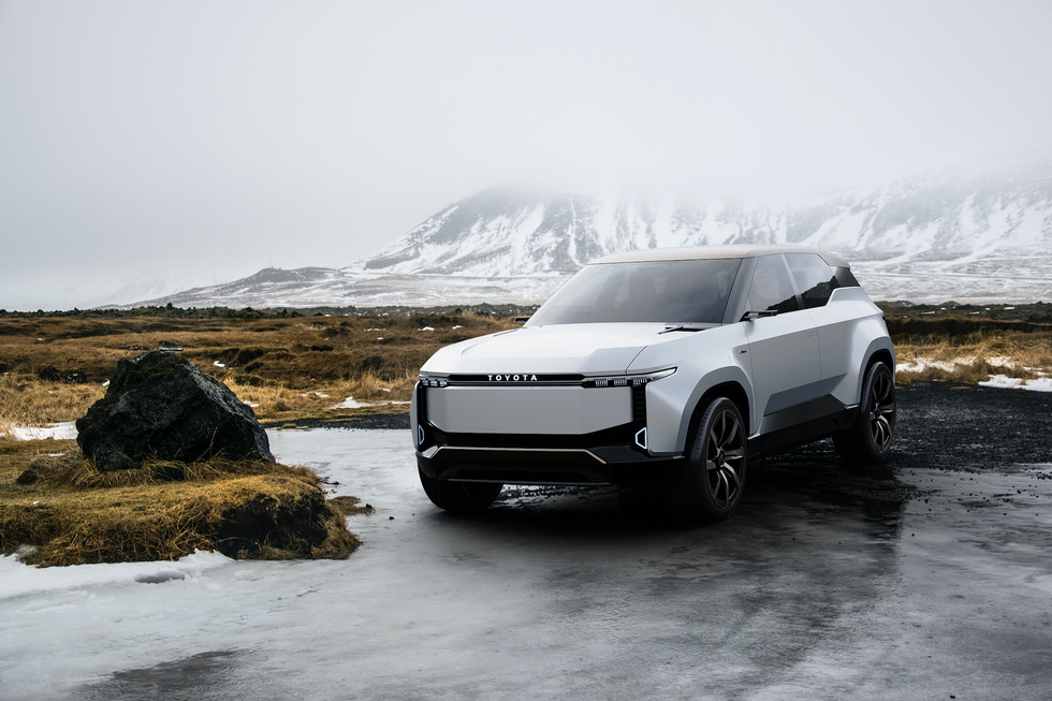
First-generation solid-state packs are targeting up to 1000 km range and 10-minute charging from 10 to 80%. Second-generation prototypes already under development aim for 1200 km.
These aren't incremental gains. They're the leap that makes long-distance EVs practical without planning charging logistics like a military campaign.
Other manufacturers are pursuing solid-state too, as Mercedes has tested an EQS prototype that achieved over 1200km on a single charge, and MG launched a semi-solid variant last year. But Toyota's supply-chain commitment with Idemitsu suggests it's moving from research into genuine production readiness.