



- Suzuki New Zealand was set to be hit disproportionately hard by the Clean Car Standard as CO2 targets got stricter.
- Relief from the government in the form of reduced fees and the launch of its first ever EV have taken some pressure off.
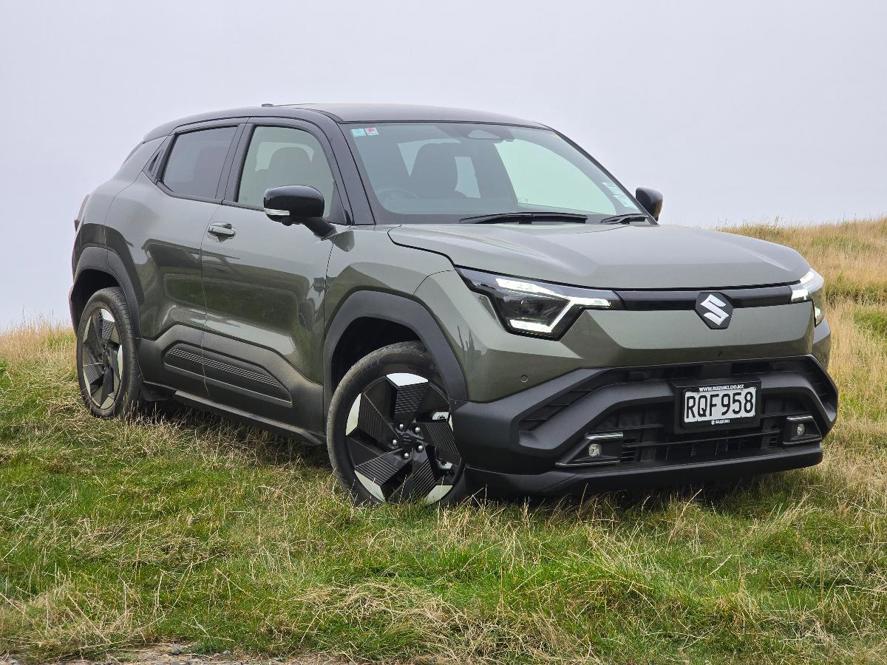
- The company is looking to capitalise on the arrival of the e Vitara amid rising fuel costs and increased interest in fuel efficient cars.
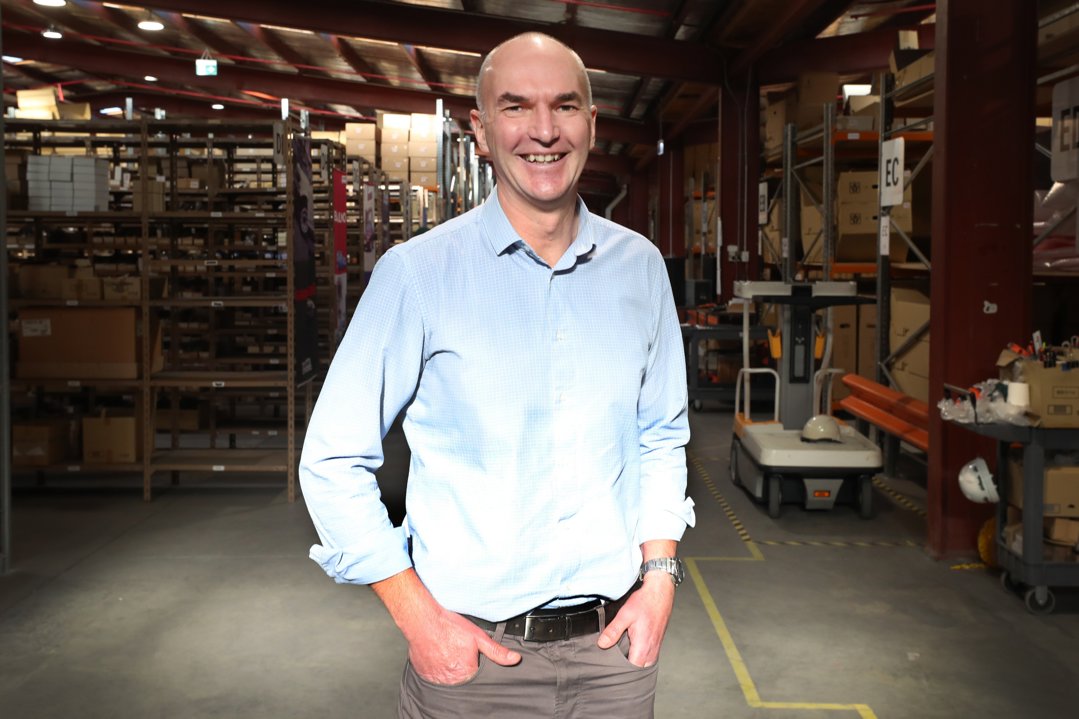
With the current fuel price environment generating substantial interest in electric vehicles, hybrids and more fuel efficient vehicles in general, Suzuki New Zealand Chief Executive Gary Collins sees this as an opportunity for the brand, following the existential threat the company was facing in New Zealand with the looming introduction of stricter emission rules as part of the rollout of the full Clean Car Standard.
Suzuki New Zealand looked to be on shaky ground when the Clean Car Standard was first announced by the Labour government back in 2021, warning that could make it unsustainable to continue their current business model, even going as far as suggesting that it may leave the New Zealand market entirely.
While this suggestion was quickly walked back by the company, the threat remained - Suzuki was about to enter a period of drastic uncertainty in New Zealand. However, since then two things have happened that could signal a reversal of fortunes for Suzuki: it has introduced its first ever EV and the USA and Israel have launched a bewildering war with Iran, throwing the world's oil supply into chaos.
"From a Suzuki perspective, the increase in fuel prices hasn't had direct impacts on our sourcing of vehicles at this stage," Collins said at the recent launch of Suzuki's first EV, the e Vitara, before going on to explain that the main area of concern for Suzuki was the cost of logistics, with a massive increase in price of diesel expected to impact vehicle freight costs and local parts distribution costs, which all places pressure on margins and ultimately leads to price increases.
However, there is a bright side to soaring fuel costs for a company that makes some of the most fuel efficient vehicles sold new in New Zealand.
"The sudden tweak around fuel price increases suddenly brings in some people that just want the most affordable option," Collins said.
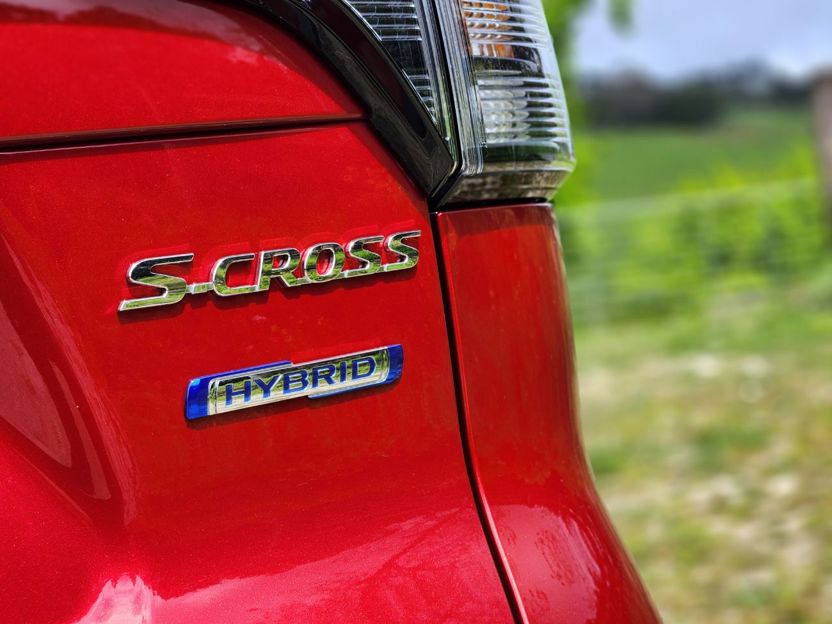
"With our first fully electric vehicle hitting the market and a range of affordable hybrid models, we are actually in a position to capitalise on fuel price increases. We have the most economical sub-$26,000 vehicle on the market and we are certainly hearing of a sudden demand for EV models now, but we will also be reinforcing the value and potential cost savings of our hybrid products."

This could represent a small flicker of light at the end of a long tunnel for Suzuki in New Zealand, as it is one of the car distributors set to be heavily penalised by the Clean Car Standard that set emissions targets for importers to meet.
First coming into effect on the 1st of January 2023, the Clean Car Standard sets annual CO2 emission targets for importers of light vehicles. If the carbon emissions average across an importer’s range ends up over that target it will get charged a fee per gram it is over, while fleets under the limit get credits that can be used as a buffer for impending fees or traded to other brands.
Averages across a distributor's range also needed to meet decreasing targets, with the limits initially starting at 145g/km for cars and 218.3g/km for utes, and gradually dropping to 63.3g for cars and 87.2g for utes by 2027. But because weight is a factor in the calculations, a light and efficient car - like pretty much everything Suzuki builds - is forced into a situation where it must achieve a proportionally strict targets, despite being extremely light and efficient to begin with.
While this effectively penalises lightweight cars by needing to achieve lower targets than some larger vehicles, it was envisioned to be offset by credit-earning EVs imported by distributors. But there is where the problem lay for Suzuki - it had no EVs in the pipeline at the time, so was facing disproportionately hard targets and, as a result, hefty fees that would result in substantial price increases, even though it sold some of the most frugal cars available new in New Zealand.
While credits could be generated from the sale of EVs, with EV-only brands able to sell credits to other brands, this would still lead to price increases, particularly as brands focusing on EVs struggled to meet volume targets due to lower customer demand following the National government's removal of the Clean Car Discount that saw interest in EVs drop considerably.
Collins says that this led to an imbalance where more penalties were incurred across the industry than credits generated.
"The market value of credits looked set to more than double, which means a massive cost to most distributors. And distributors just don't have the ability to absorb millions of dollars of costs, so significant price rises would have inevitably occurred," said Collins.
"Given the government has been trying to curb inflation and address the high cost of living, widespread price increases from the new vehicle sector would greatly hinder that. So the government made a decision to provide the industry some short-term relief and went into consultation with the MIA on the industry's suggestion."
That 'short-term relief' saw the government reduce emission penalties per gram from $67.50 to just $15. But while this has provided relief for many brands, it also devalued credits for those with a surplus.
A full review of the Clean Car Standard program is now underway, with outcomes expected in June. Collins says Suzuki plans to contribute to this review, advocating for policies that do not disadvantage compact vehicles, a segment where the brand has a strong presence.
"It is expected that an emission policy will remain, but this review provides an opportunity for any revised policy to potentially get a reflect industry input and meet the current Government's emission goals," said Collins.
"We are expecting that the outcome of this review will be released in June this year, so we will definitely be sharing our suggestions for policies that do not disadvantage compact vehicles, as the current policy does."