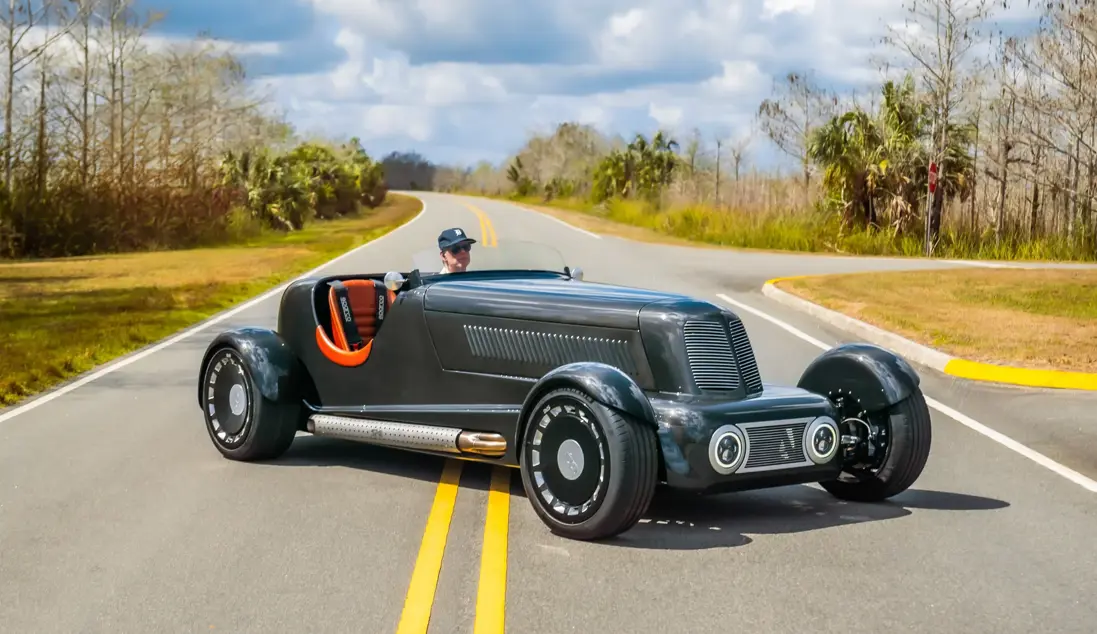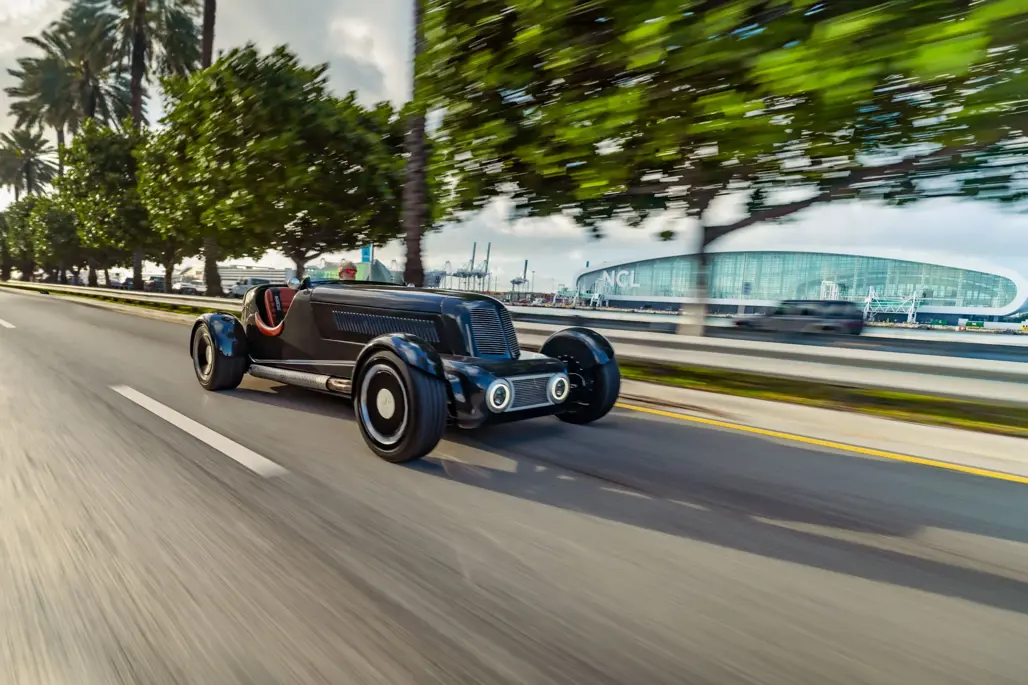



- The SP40 Speedster is a carbon-bodied restomod inspired by the 1934 Model 40 Special Speedster.
- Power comes from a 5.0-litre V8 producing over 358kW, paired with a five-speed manual.
- Each SP40 is built to order on a custom chassis with bespoke design options.
A near-mythical one-off from the 1930s has been reborn, this time with modern engineering and a proper V8 under the bonnet.
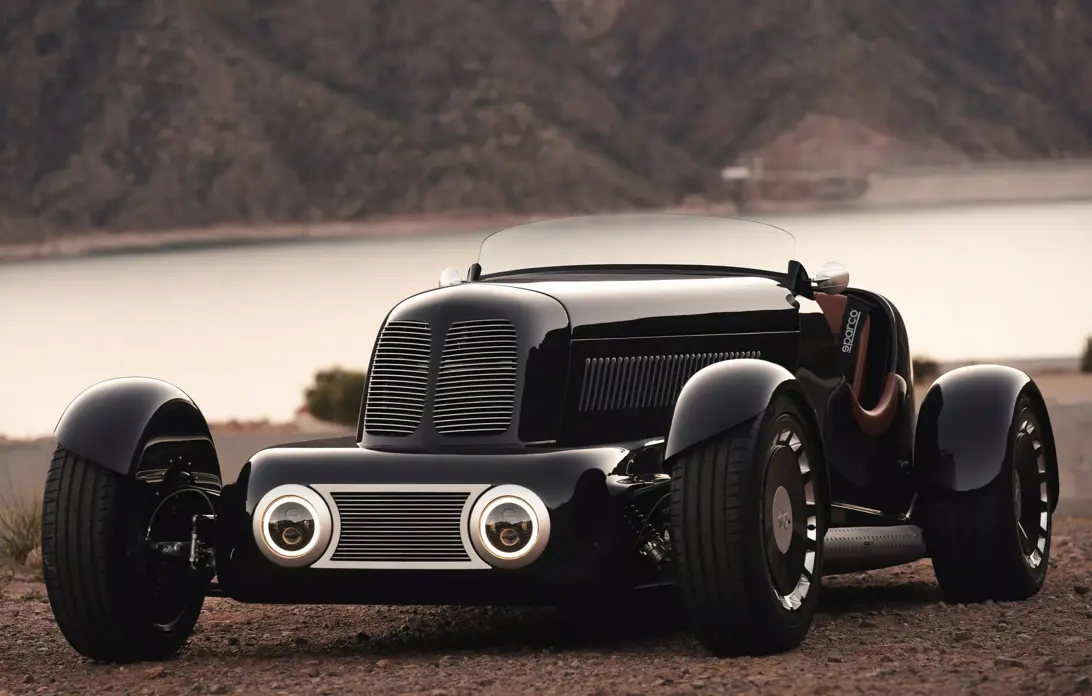
The SP40 Speedster, unveiled in Miami by Argentine outfit SP40 Restomod, reimagines Edsel Ford’s 1934 Model 40 Special Speedster.
Once a unique personal project, the design is now being offered as a bespoke build for collectors willing to commission their own interpretation.
Old shape, new bones
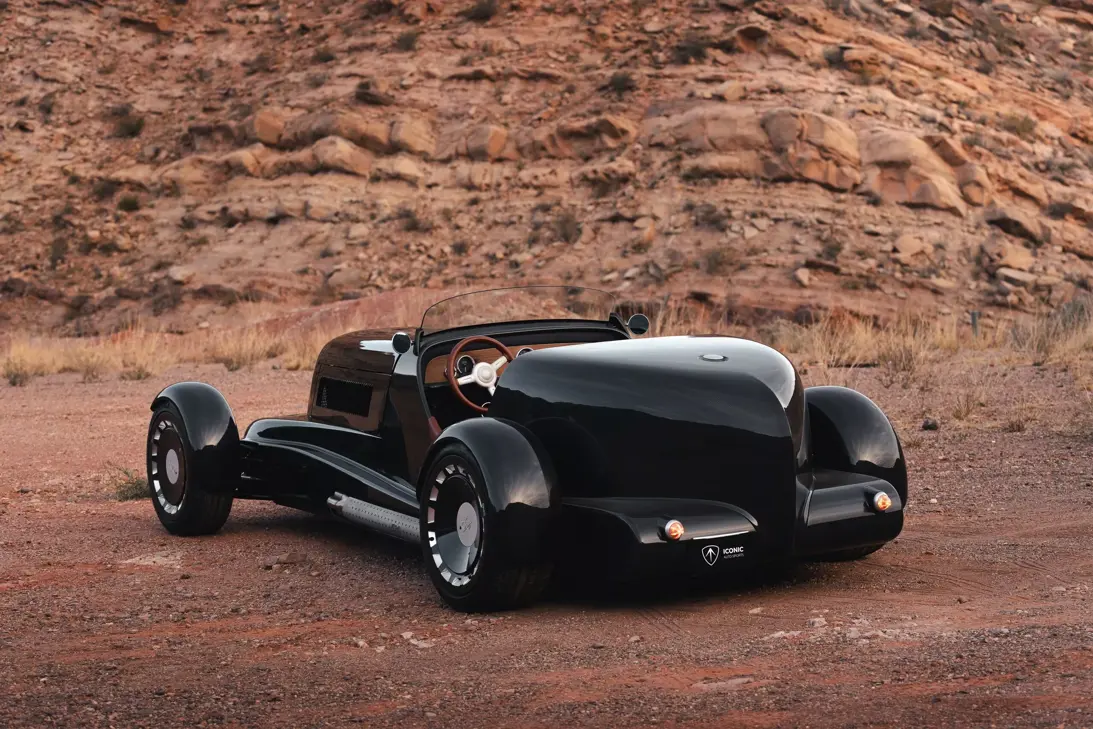
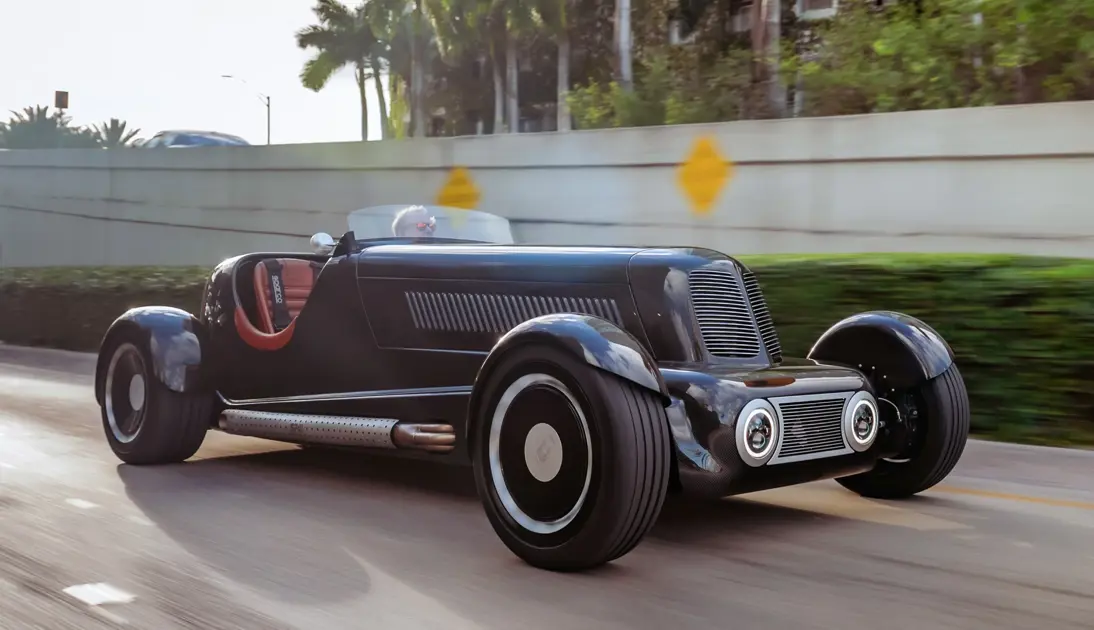
Visually, the SP40 stays faithful to the original’s flowing proportions and low-slung stance, but the construction is thoroughly modern.
The body is formed from carbon fibre, helping keep weight to around 1190kg, which is remarkably light for something of this size and presence.
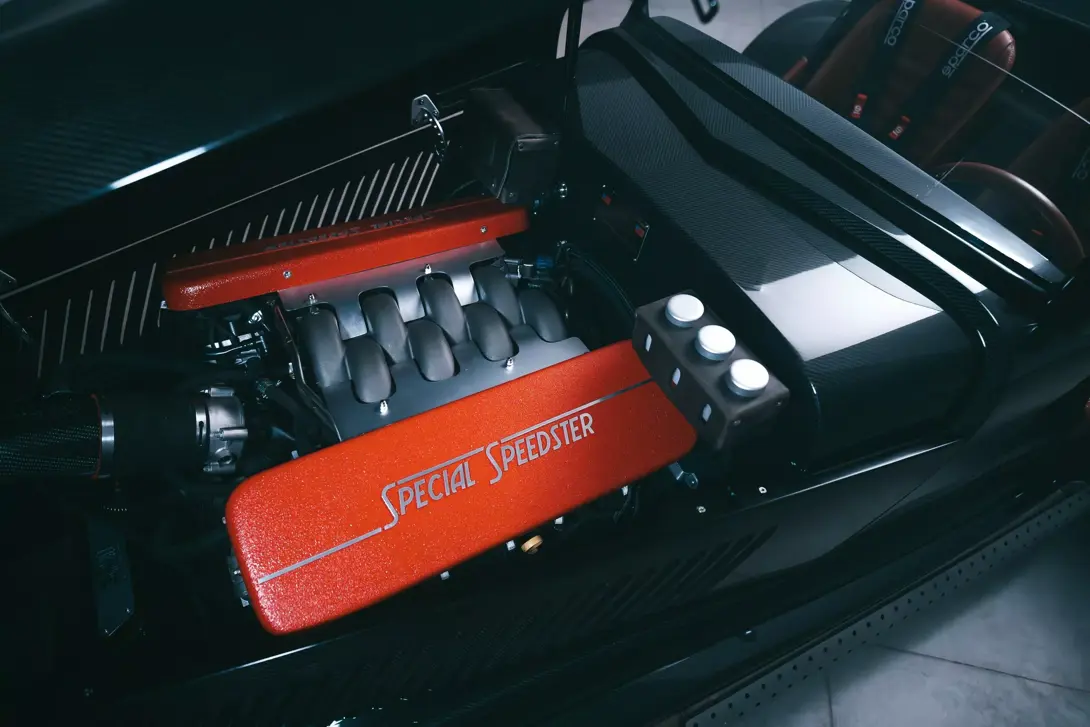
Underneath, it’s all-new. A purpose-built chassis supports independent double-wishbone suspension with adjustable coilovers, suggesting this isn’t just a static showpiece but something intended to be driven properly.
Mustang heart with manual soul
Power comes from Ford’s 5.0-litre Coyote V8, producing more than 358kW. It’s paired with a five-speed manual gearbox, reinforcing the SP40’s focus on analogue driving rather than digital intervention.
That combination of light weight, naturally aspirated V8, and a manual points to a driving experience that leans heavily into engagement over outright numbers.
Built your way, or not at all
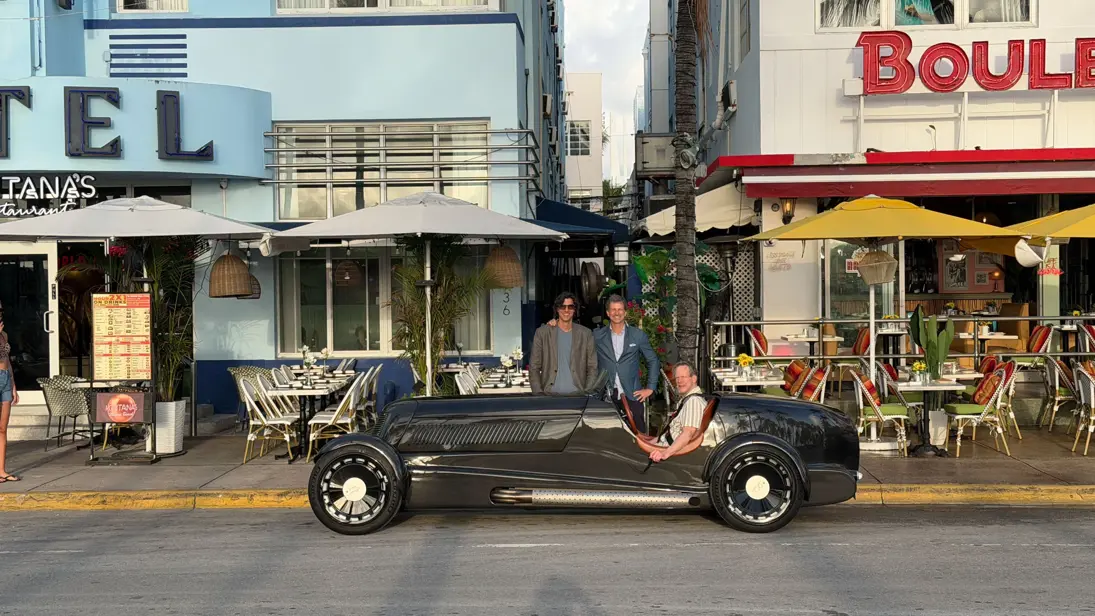
Every SP40 is made to order, with buyers able to specify finishes, trim and design details. No two cars are expected to be identical, reflecting the project’s emphasis on individuality rather than mass production.
Pricing hasn’t been revealed, but SP40 has not disclosed costs yet. Given the level of customisation and low-volume build, it’s unlikely to be modest.
The original 1934 Speedster disappeared for years before being rediscovered and restored, eventually selling for US$1.76 million in 2018. This modern take isn’t trying to replicate it outright. Instead, SP40 describes the aim as to “awaken it.”
At a time when performance cars are increasingly defined by software and electrification, the SP40 takes a different route: lightweight, mechanical, and unapologetically focused on the fundamentals.