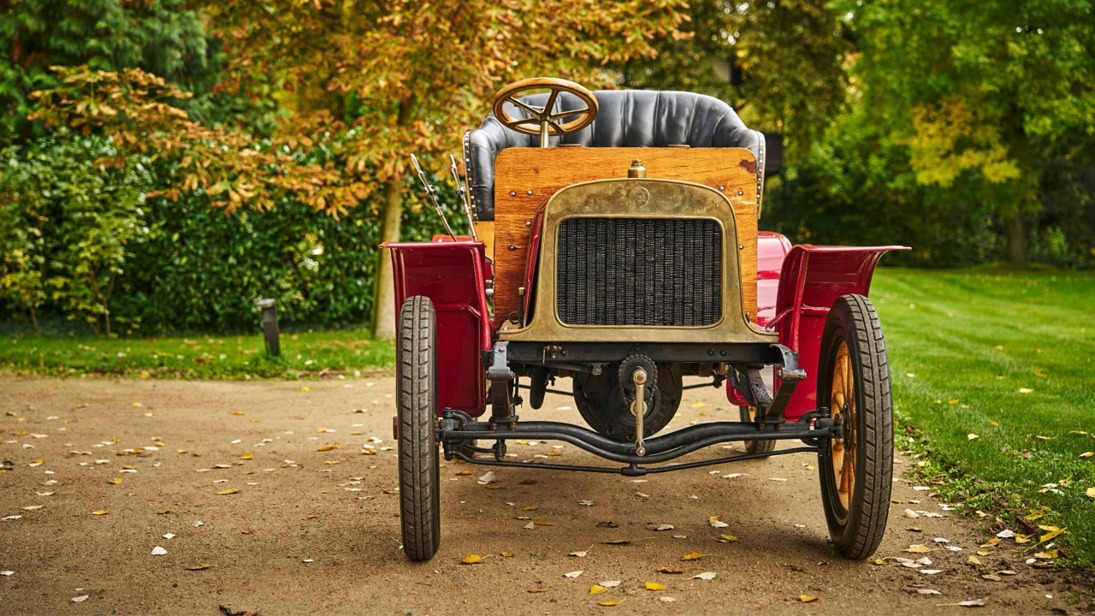



- The 1906 Voiturette A marked the earliest origins of what would become Skoda Auto.
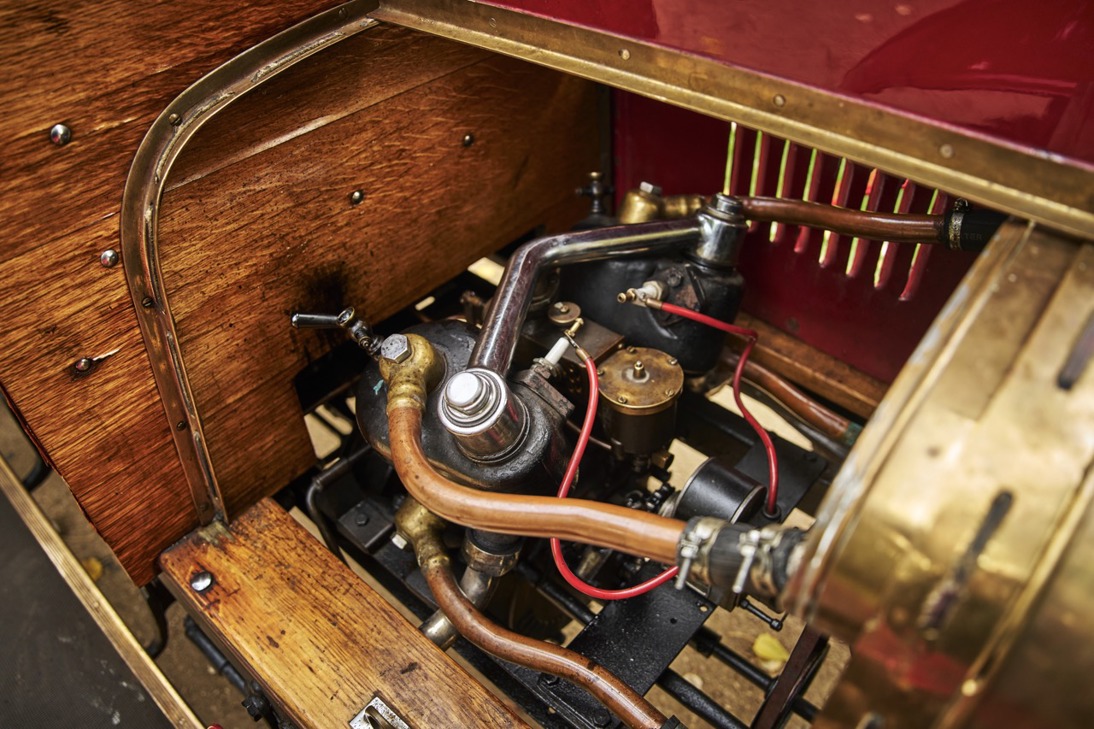
- Its liquid-cooled V-twin engine produced 5.2kW and enabled a top speed of 40km/h.
- Starting the car required opening the fuel tap, pumping oil, then hand-cranking the engine.
Before push-button starts and keyless entry, getting a car moving required a fair bit more commitment.
Back in 1906, the Laurin & Klement Voiturette A, Skoda’s earliest production car, was officially approved for road use, marking the company’s shift from bicycles to automobiles.
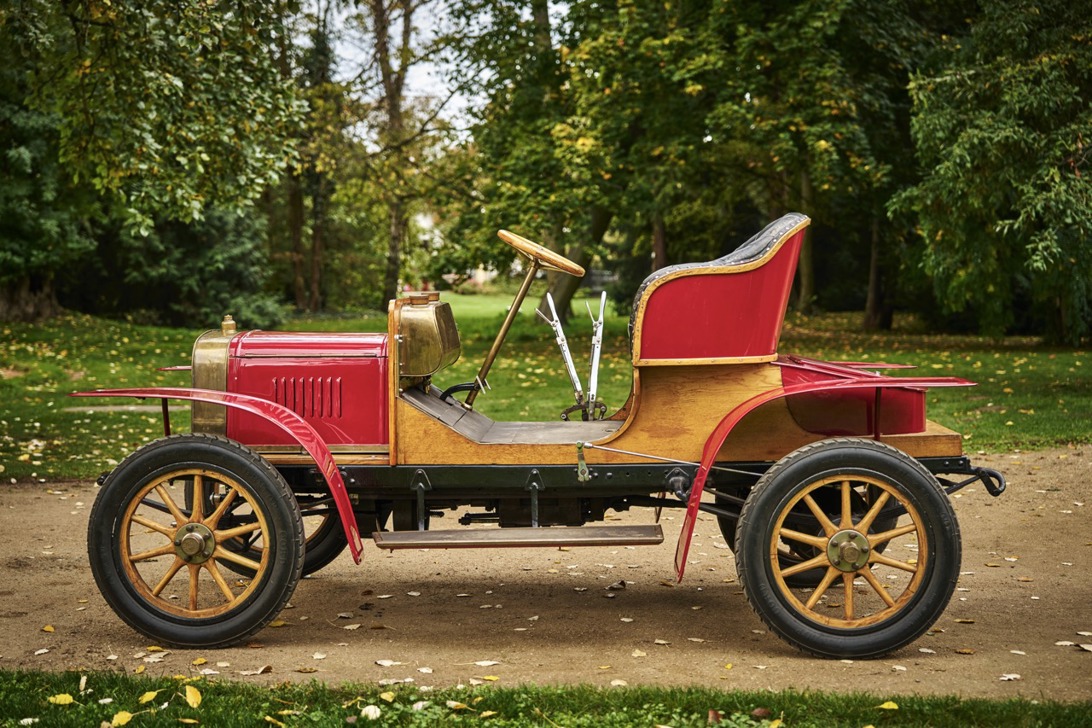
It didn’t come cheap. Priced at 3600 crowns, the Voiturette A represented roughly six years of wages for the average worker earning 12 crowns a week. Ownership, then, was less about convenience and more about commitment, both financial and physical.
Start me up… manually
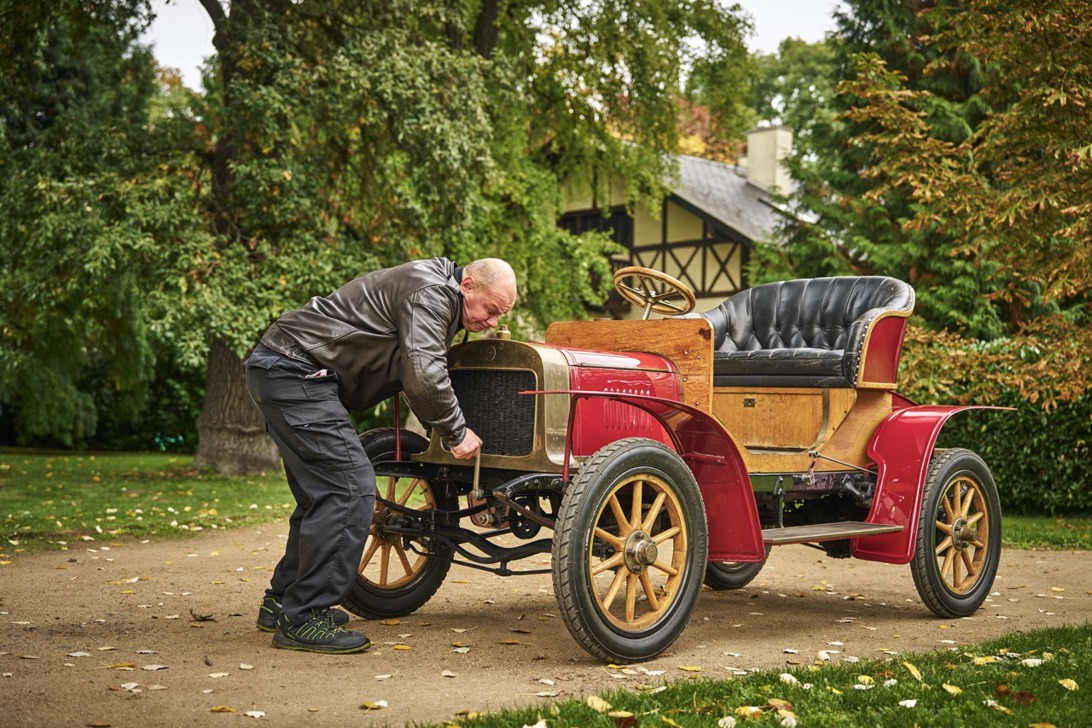
Power came from a four-stroke, liquid-cooled V-twin engine producing around 5.2kW, paired with a leather-lined cone clutch and a three-speed gearbox. Modest by today’s standards, but enough to push the Voiturette A to a top speed of 40km/h in capable hands.
Getting there, however, was a ritual.
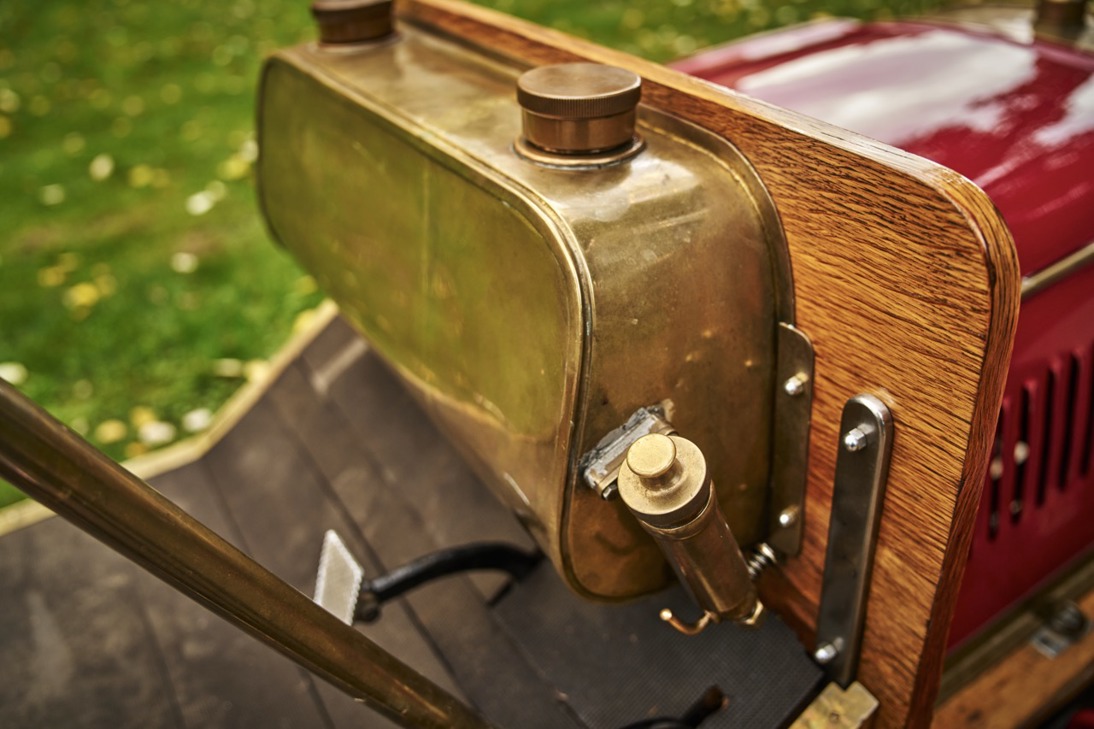
First, the driver had to open a tap on the fuel tank mounted ahead of the occupants to let petrol flow into the carburettor. Fuel itself was sold by weight, with consumption sitting at about 4kg per 100km.
Next came lubrication: a hand pump was used to feed oil directly to the engine’s bearings. Only then could the driver move to the front of the car, engage the decompressor to open the exhaust valve, and physically crank the engine into life.
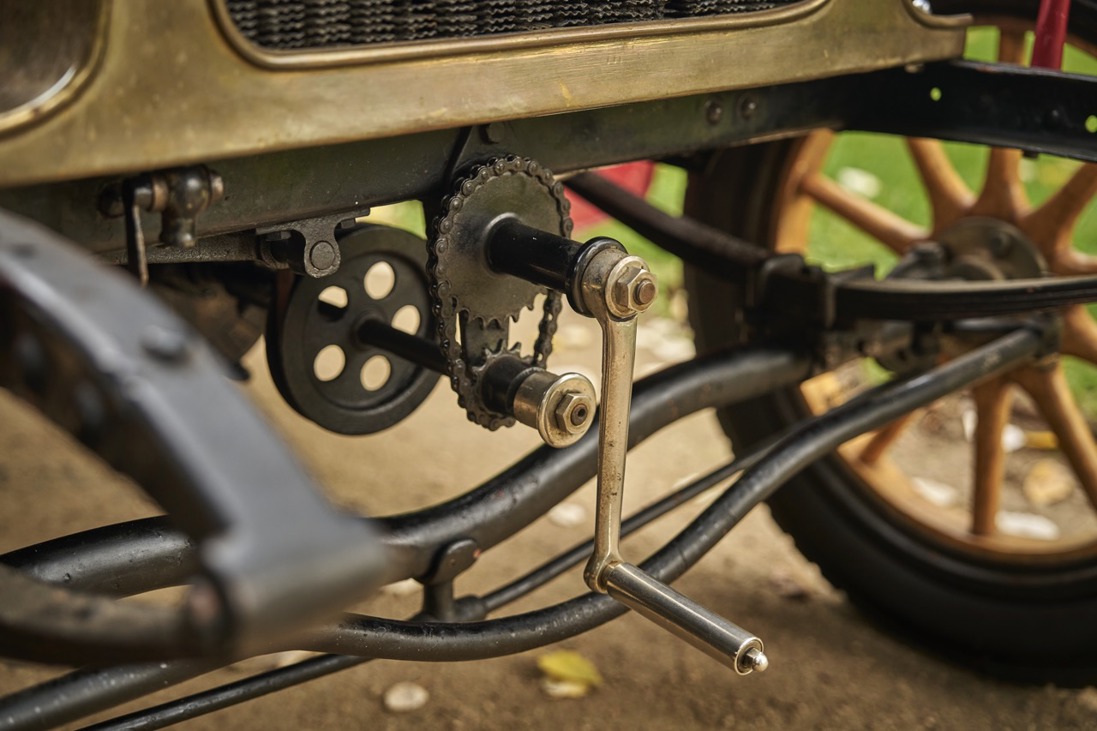
Before that final heave, a steering wheel-mounted lever needed adjusting to set the carburettor linkage for the right engine speed.
It’s fair to say “turning the key” wasn’t a phrase in the vocabulary.
Driving? That’s another lesson
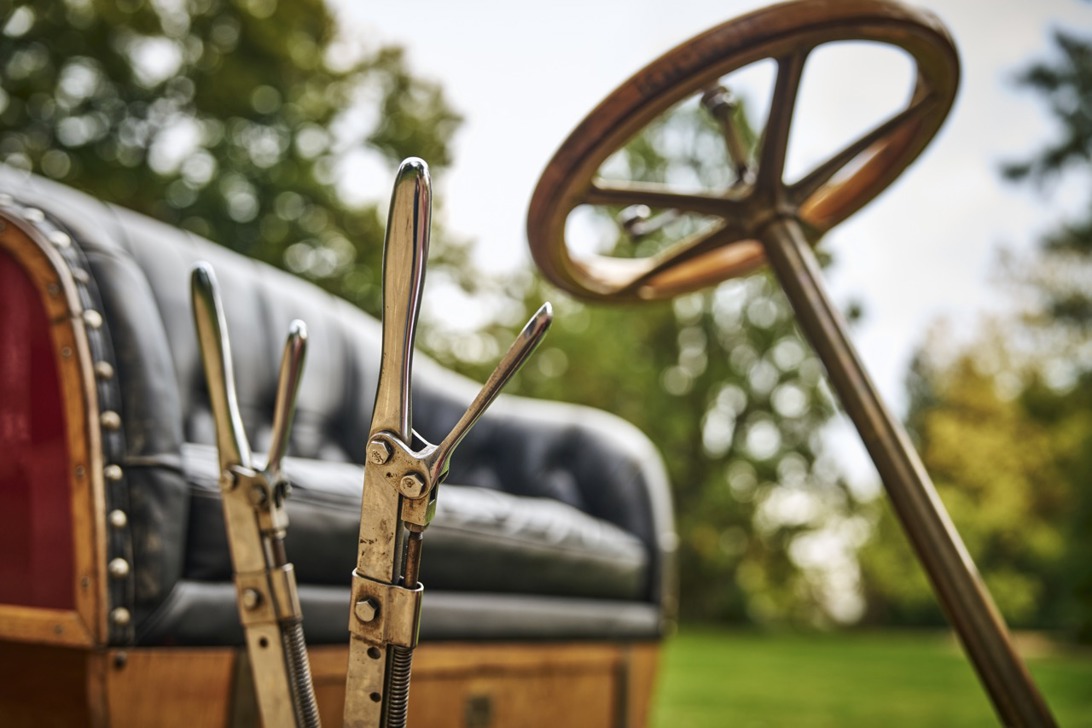
Once running, driving the Voiturette A required its own learning curve. Two levers sat to the driver’s right—one for gear selection, the other operating a handbrake on the rear wheels. The left pedal controlled the clutch, while the right activated a brake on the gearbox itself. Throttle input was managed via another lever on the steering wheel.
It sounds more like operating light machinery than driving a car, and in many ways, it was.
Yet this early machine laid the groundwork for everything that followed from Mladá Boleslav. Primitive as it seems now, the Voiturette A represents a pivotal step in automotive evolution, one that demanded patience, skill, and a decent upper-body workout just to get going.