



- Renault’s Filante Record 2025 prototype covered 1008km in under 10 hours, averaging 102km/h.
- The run finished with 11 percent battery remaining, with Renault estimating a further 120km.
- The single-seater uses an 87kWh battery and recorded 7.8kWh/100km during testing.
Renault has closed out 2025 with a properly eyebrow-raising efficiency flex. The French automaker's ultra-streamlined Filante Record 2025 electric prototype has driven 1008km on a single charge, and finished the run with 11% battery remaining.
That distance was covered in under 10 hours at a steady 102km/h average, not crawling along at hypermiling pace. Renault says the remaining charge would have been good for another 120km, pushing the theoretical total to 1083km.
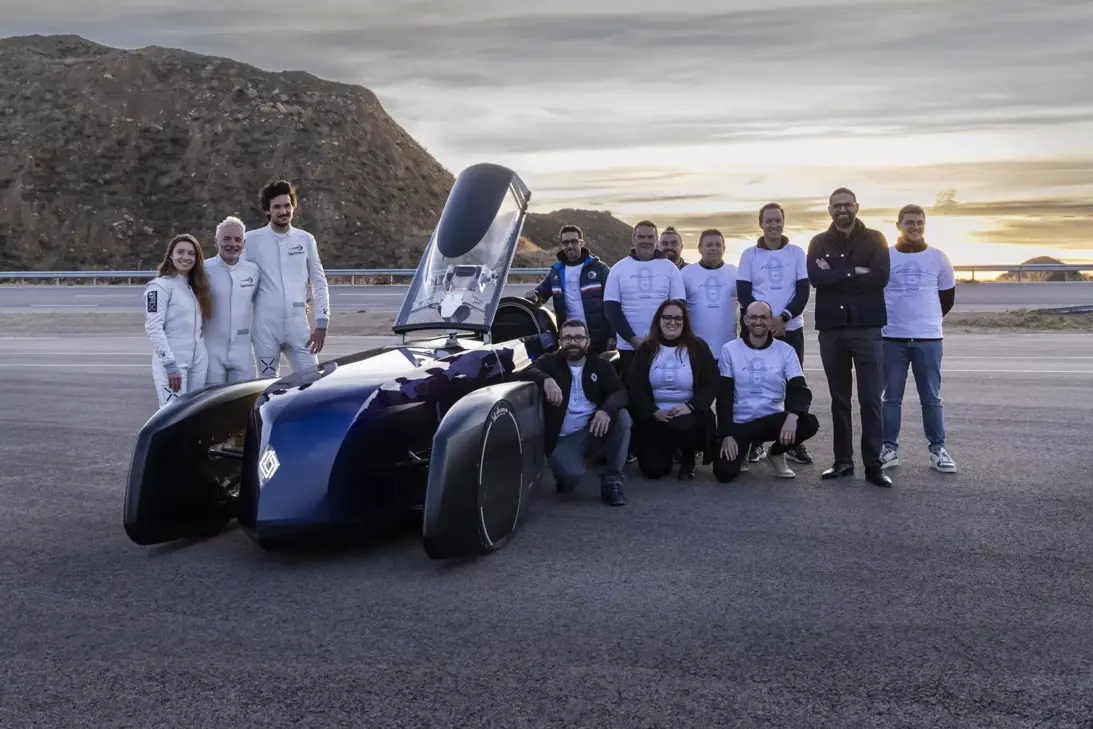
This wasn’t a lab simulation or a closed-door computer model. The run took place on December 18 at the UTAC high-speed proving ground in Morocco, after earlier attempts in France were delayed by weather and fine-tuning aerodynamics.
Three drivers rotated through the single-seat cockpit, completing 239 laps of the 4.2km circuit with only brief stops for checks and driver changes.
Same battery, different universe
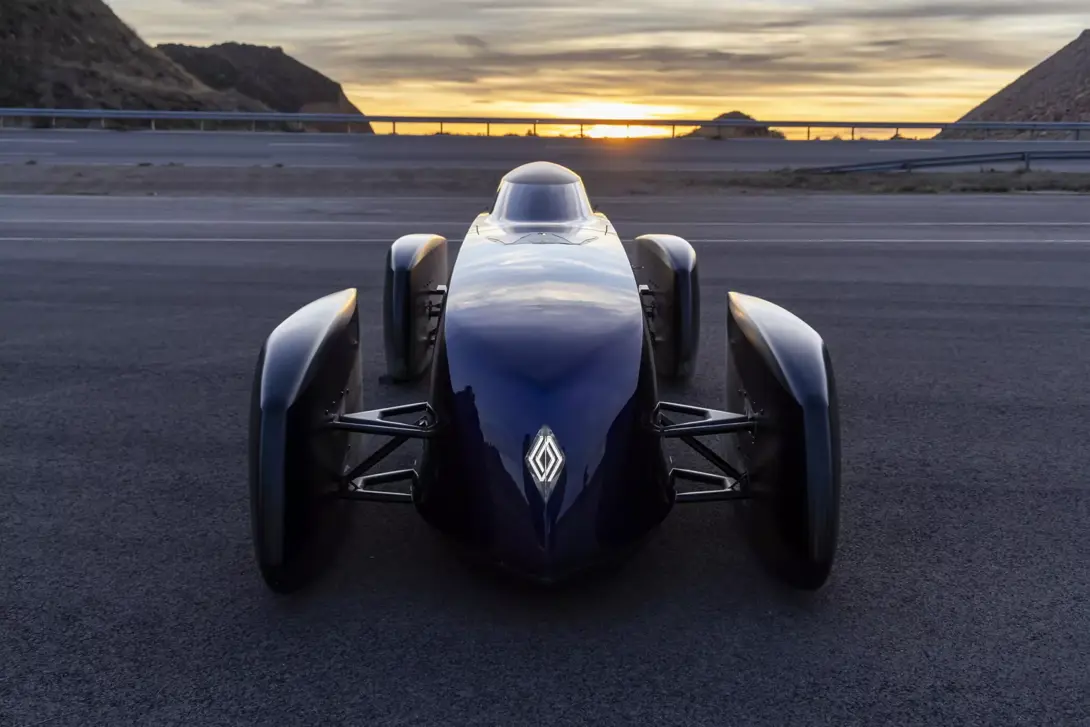
Here’s the quietly shocking part: the Filante Record uses an 87kWh battery pack, the same capacity found in Renault’s Scenic E-Tech family crossover. No exotic solid-state tech, no sci-fi chemistry, just ruthless efficiency.
Energy consumption during the record run measured 7.8kWh/100km, nearly half the Scenic’s official 14.1kWh/100km WLTP figure, despite the Filante maintaining real-world highway speeds throughout.
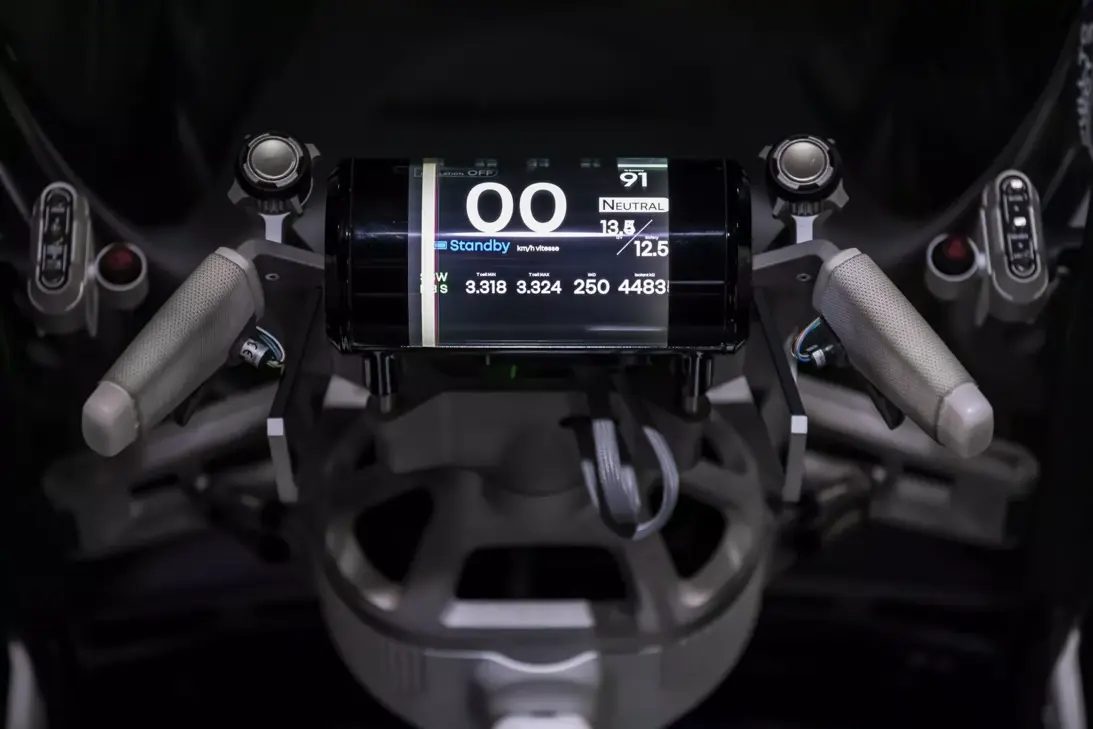
The difference comes down to physics discipline. Renault attacked drag, mass and rolling resistance with single-minded focus. The carbon-fibre-bodied prototype wears Michelin-developed low-drag tyres, relies on steer-by-wire and brake-by-wire systems, and uses lightweight materials including aluminium alloys and 3D-printed Scalmalloy components.
Ligier handled the chassis and carbon tub, while Renault’s engineers obsessed over airflow, even stripping back visual flourishes like LED lighting to hit their targets.
A rolling research lab
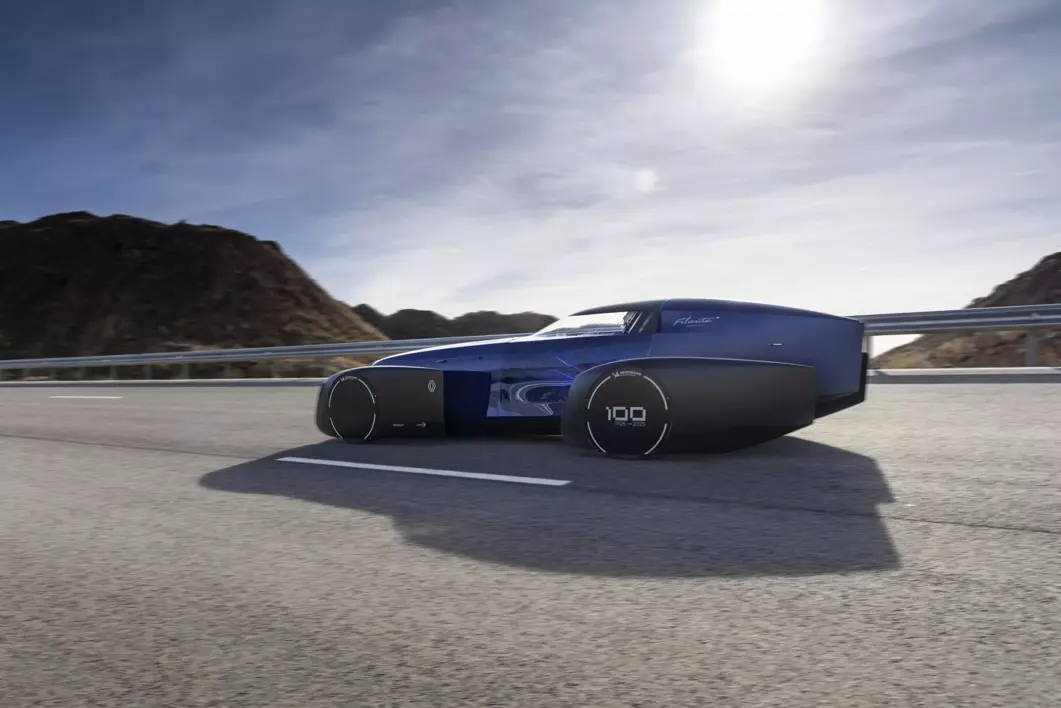
Visually, the Filante Record leans hard into Renault’s history of speed-record specials, drawing cues from the 1925 40 CV and 1956 L’Étoile Filante. The long nose, enclosed wheels and aircraft-style tail aren’t nostalgia for nostalgia’s sake as they exist to cheat the air as cleanly as possible.
Renault is clear this car isn’t destined for showrooms. Instead, it’s a testbed aimed squarely at future production EVs, particularly long-distance efficiency at motorway speeds.
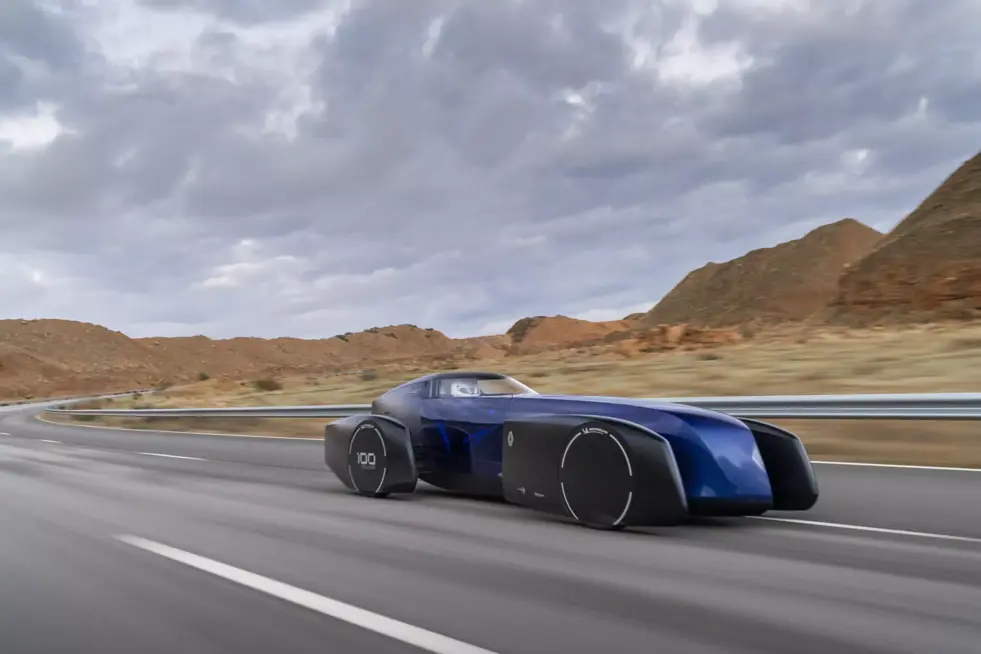
In other words, the headline number matters, but the lesson matters more. When a mainstream-sized battery can theoretically clear 1000km, the range anxiety conversation starts to feel very… dated.
DRIVEN Car Guide understands Renault has not disclosed a coefficient of drag figure for the Filante Record yet. Given the result, it’s safe to say it’s vanishingly small, and the implications could be anything but.