


Before track days were affordable, before YouTube onboard laps and before most of us knew what torque even felt like, there was Gran Turismo.
Launched on the original PlayStation on December 23rd 1997, Gran Turismo, dubbed “The Real Driving Simulator” by creators Polyphony Digital, was the first taste of a genuine racing simulator for the general public, with most driving simulations previously being the sole domain of high-end PC gaming.
In fact, for a generation of Kiwi car fans, Polyphony Digital’s PlayStation racing series wasn’t just a game - it was driver training, car culture education and a dream-garage simulator all rolled into one.
As PlayStation marks 30 years of play, it feels like the perfect moment to look back at the racing franchise that quietly taught thousands of Kiwis the correct line through a corner, why weight transfer matters, and why spending all your credits on tyres was never a waste.
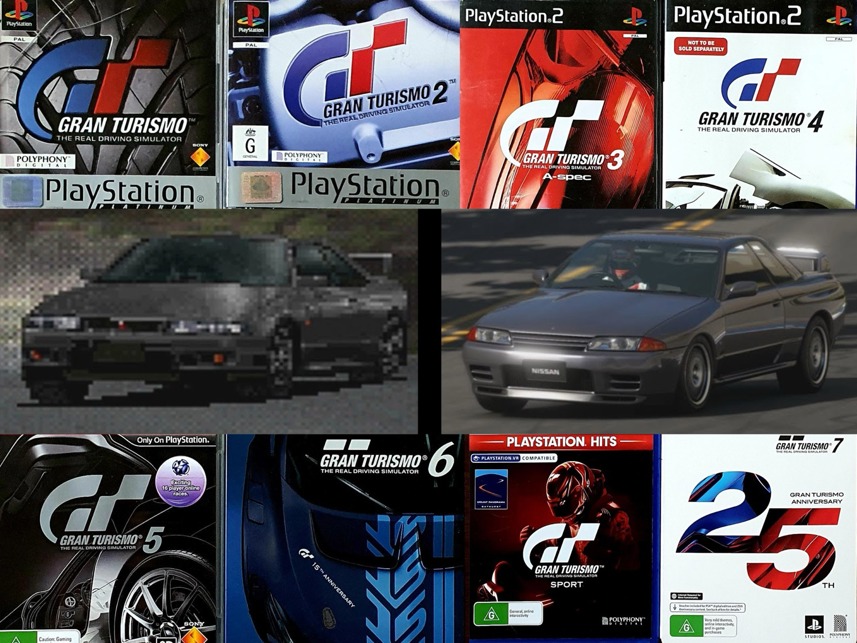
From the blocky brilliance of the original Gran Turismo in 1997 to the astonishing realism of Gran Turismo 7 today, the series has evolved alongside real-world automotive technology, steadily becoming more realistic than ever.
Indeed, the Gran Turismo 7 Spec III update released this very month along with the Power Pack Paid DLC, introduces 'Gran Turismo Sophy 3.0', its most advanced AI yet, that Sony says provides "intense tail-to-nose racing action" and is genuinely - and often unpredictably - like racing against real human drivers who think strategically and, yes, even make mistakes.
The evolution of realism
When Gran Turismo launched on the original PlayStation, its ambition was immediately obvious. While rivals focused on arcade thrills, GT dared to call itself “The Real Driving Simulator”, even though its origins were deeply rooted in a very arcade-y game series called Motor Toon Grand Prix.
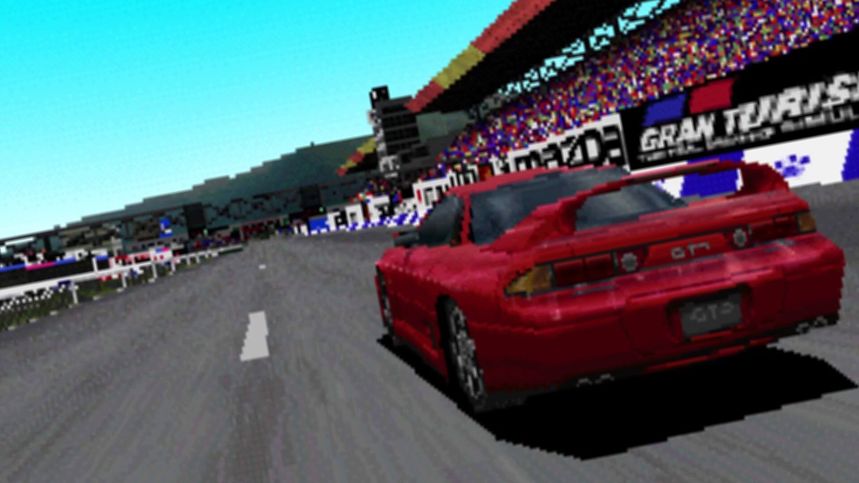
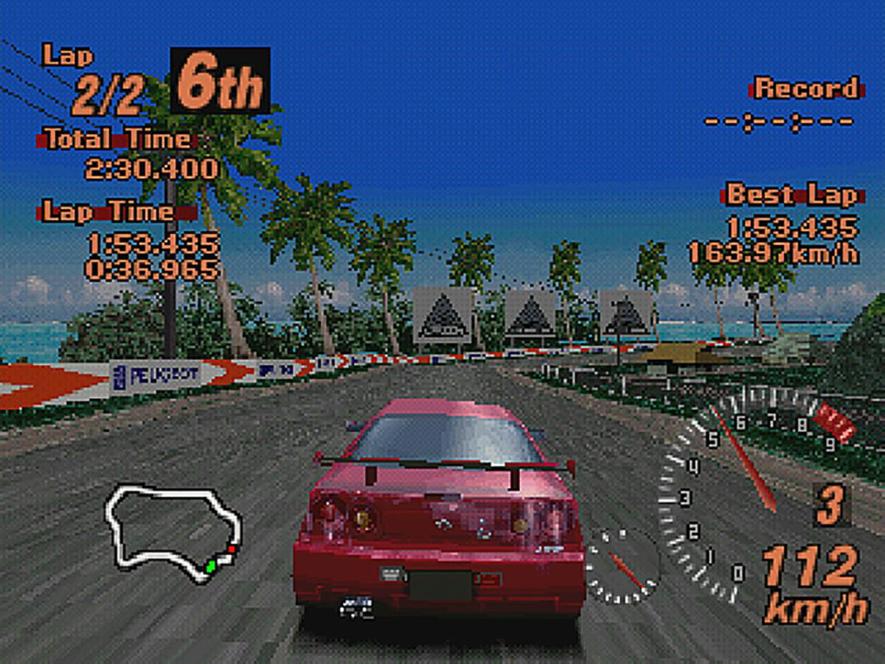
While its cars were crude by today’s standards - angular bodywork, flat textures and limited lighting - they were recognisably real cars and the handling model was simply revolutionary.
Suddenly, front-wheel drive cars understeered and rear-wheel drive cars punished throttle abuse. Weight mattered, tyres mattered and suspension settings mattered. For many young Kiwis, this was the first time driving felt actually real.
Fast-forward through the sequel’s expanded car list, Gran Turismo 3’s jaw-dropping leap to PlayStation 2 visuals, and Gran Turismo 4’s obsessive attention to detail, and the series steadily closed the gap between sim-like game and genuine reality-mirroring simulation.
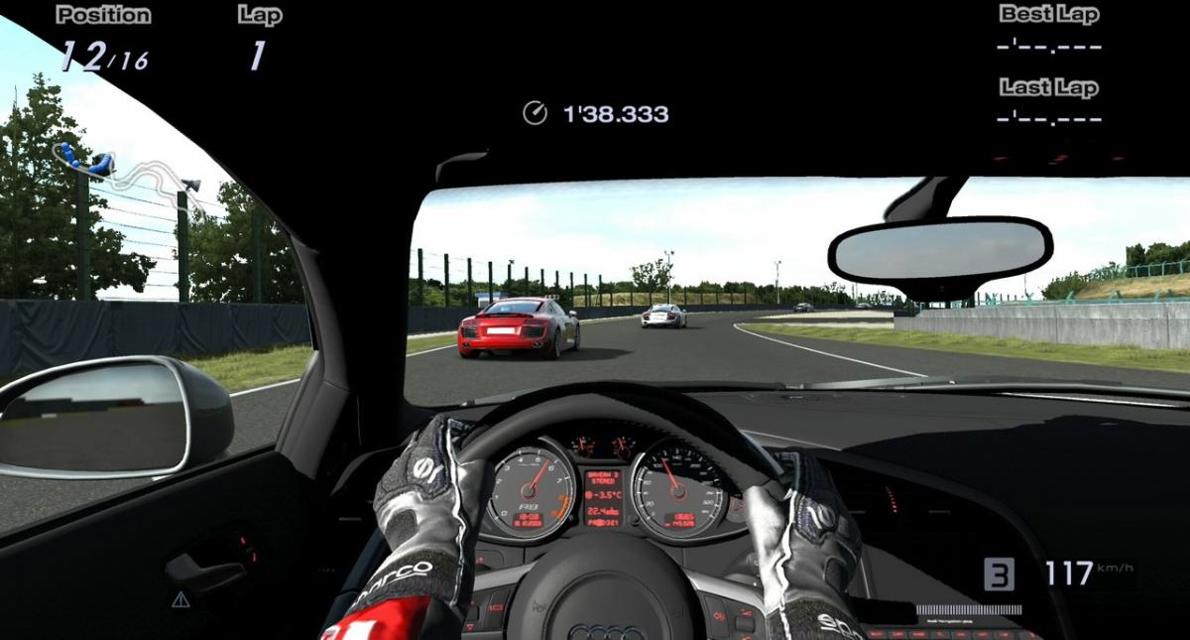
By Gran Turismo 5 and 6 on PlayStation 3, laser-scanned tracks, cockpit views and advanced physics models were changing how players approached racing altogether.
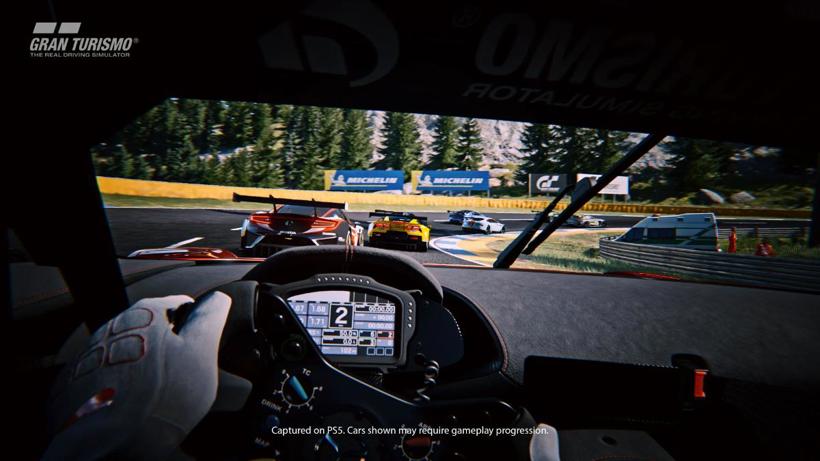
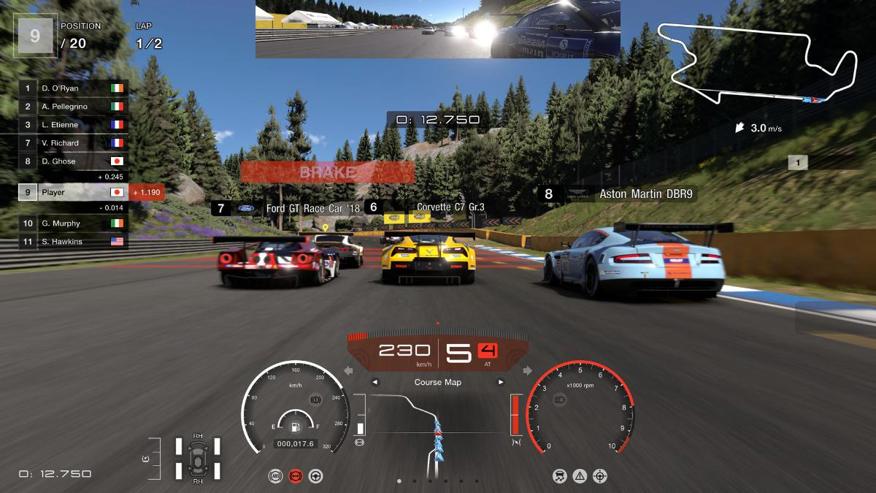
With Gran Turismo 7‘s debut on PlayStation 5, realism has reached a point that once felt impossible; photorealistic replays, ray tracing, dynamic weather and handling models refined using real-world telemetry have blurred the line between game and simulator.
It’s no longer unusual to hear professional drivers admit they use Gran Turismo for familiarisation, muscle memory and racecraft practice.
The Kiwi connection
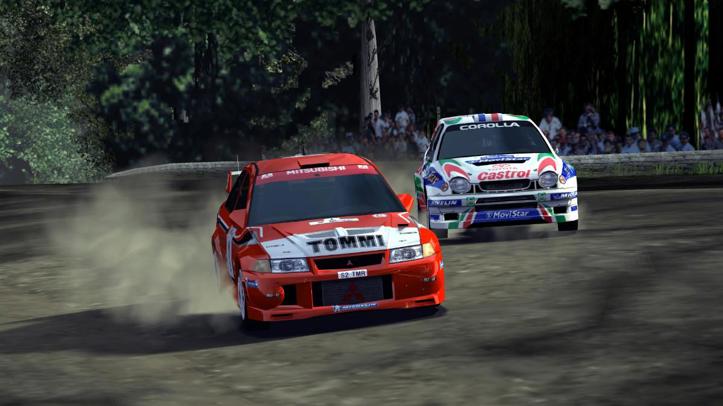
Gran Turismo always resonated strongly in New Zealand - probably because our car culture punches well above its weight - and the series tapped directly into the vehicles and racing heritage Kiwis already loved.
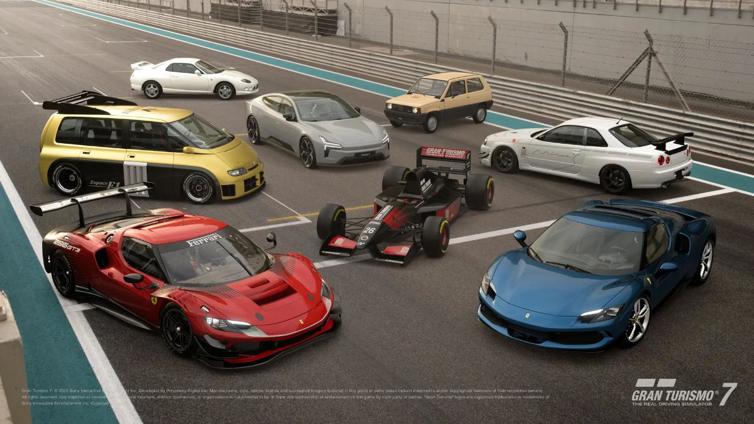
Holden Commodores and Ford Falcons became bedroom-wall heroes long before many players could legally drive, while Nissan Skylines - particularly the GT-R - were elevated from fast street cars to mythical performance machines. Japanese domestic models, so familiar on Kiwi roads thanks to the tsunami of used imports that poured into the country in the 1990s, received the same reverence as European exotics.
“Gran Turismo’s cultural footprint among Kiwis has been nothing short of remarkable,” says Pat Lagana, PlayStation ANZ’s Head of Marketing.
“Over the years, it has become a fixture in gaming circles, auto shows, and major events, with celebrated New Zealanders stepping up to showcase their skills.”
Lagana points to Olympic medallist Sarah Walker as a standout example of this, with the BMX racer not only claiming the top podium in two of the past Celebrity GT Championships, but now even potentially charting a course towards a motor racing career.
“The game’s influence on racing culture is undeniable. A defining moment came when Bathurst Regional Council honoured Gran Turismo by officially naming a street at the iconic Mt Panorama circuit ‘Gran Turismo Drive’ – a testament to its enduring impact on motorsport.”
When gaming met engineering
But Gran Turismo didn’t just teach young Kiwis how to drive - it taught them how cars actually work.
Tuning menus introduced concepts most teenagers had never come across before: gear ratios, camber angles, spring rates, downforce balance and power curves.
Players quickly learned that adding power without addressing the brakes or suspension was a recipe for disaster. You learned that weight reduction mattered. You learned that smooth inputs beat aggression.
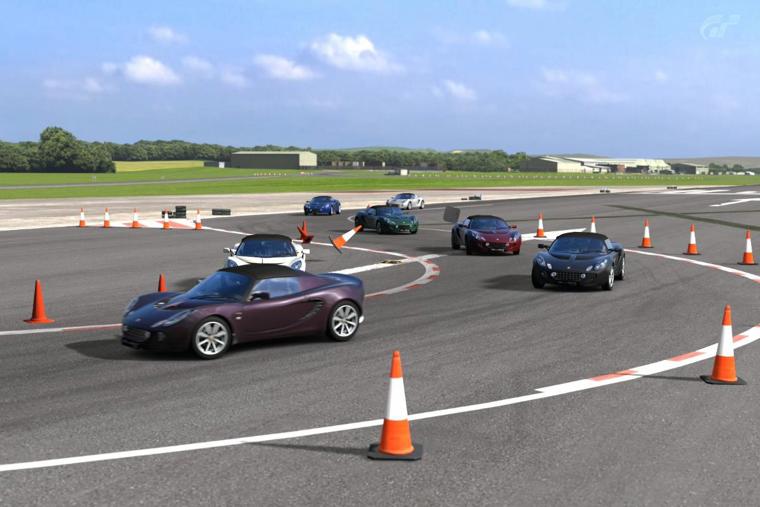
For many players, this was the spark that led to real-world careers. Automotive engineers, designers, physics students and even mechanics often trace their fascination back to hours spent fine-tuning virtual cars and chasing tenths of a second.
Dr. Allan Fowler, a senior lecturer at the University of Auckland’s Faculty of Engineering and Design, says that much of academic research is sparked by personal experience, and his work - and personal experience with Gran Turismo - is a clear example of that.
Fowler says his journey with the game began long before he was an academic and was living in Australia. He had owned a few performance cars, but harboured a dream of getting his CAMS (Confederation of Australian Motor Sport) license to compete on the track.

“I was on a tight budget, but I had a PlayStation 1, so I picked up a copy of the original Gran Turismo,” says Fowler. “I played it and I could see how it could improve my lap times - in those days early versions didn't have the racing lines, so you had to work it out yourself and that was really good.”
Fowler says the game was a revelation, and taught him the fundamentals of performance driving, but almost as important was the booklet that came with the game.
Far more than just your standard game manual, Gran Turismo’s glossy insert was like having an advanced driving instructor at your fingertips - it introduced core concepts like finding the apex, weight transfer and the impact of suspension settings - and Fowler (along with many thousands of other young gamers at the time) spent hours pouring over it, setting his virtual track cars up just right.
Scientific testing, real-world proof
“When I took my car to a real track and tried applying the principles I’d learned - the braking points, the turn-in, the acceleration out of the corner - and I realised, ‘Oh yeah, this is the real deal’. It genuinely worked.”
This would lead Fowler to eventually put his own experiences to a true scientific test, writing a thesis that was rooted in his earlier experiences, both as a karate teacher using games to teach children, and his own experiences learning from Gran Turismo.
Before coming back to New Zealand, Fowler was a tenured Associate Professor in Game Design and Software Engineering in the USA, teaching at Columbia University, but also at the University of California and California Polytechnic State University, right in the heart of the birthplace of American car culture.
“I was teaching 20 year old students at the time. They knew how to drive, they had their driver's licenses, because you drive everywhere there. We split them into a Control Group - who just did their own thing - and then the Treatment Group who had to play Gran Turismo every night for an hour or so.”
After what was probably the best homework assignment ever, Fowler then took the students to a kart track to see exactly what the outcome would be.
“I got them on the track and the difference was just amazing! The first few laps they [the Treatment Group] spun out because they hadn't learned the real physics. But they were braking before hitting the corner, they were trying to find the apex. They knew to look for it. They knew to try and find the line.”
The Treatment Group, despite being on a real track for the first time, immediately started applying the concepts they had learned, but even more telling, when they spoke to each other after their laps, they were using the correct terminology, discussing where they struggled to find the apex on a specific turn. In other words, they fundamentally understood the principles of racing.
The Control Group’s performance was a stark contrast, demonstrating a complete lack of foundational knowledge.
“The control group didn't have any clue whatsoever,” laughs Fowler. “They were just flat out, high speed around the corner, spinning out like they're going to, asking what was wrong with the karts and why the tyres had no tread on them!”
More than racing
Fowler says that the principles demonstrated in that go-kart study aren’t unique to racing simulators. One of the primary motivations for his PhD was to challenge the prevailing media narrative at the time that games were "evil".
“Video games were like the rock and roll of our generation, and I thought no this is wrong, because I knew there was a massive, untapped positive potential, and my research has continued to uncover it across a wide range of genres and disciplines.”
As a result, Fowler says we are seeing a new generation of young people who are innately skilled at complex tasks. They can jump into a car on a racetrack or take control of a drone and perform with a level of intuitive understanding that was previously unimaginable.
This isn't an accident; it's the result of lifelong exposure to interactive, physics-based digital worlds. Video games have evolved far beyond mere entertainment, they have become, without a doubt, one of the most effective and engaging learning platforms of the modern era and, as far as cars go, Gran Turismo has led the charge right from its very first incarnation way back in 1997.
And now, as PlayStation celebrates 30 years, Gran Turismo stands as one of its most influential creations, not just because it sold millions of copies and became one of the most popular and celebrated game franchises in the world, but because it also shaped how an entire generation understands driving.


