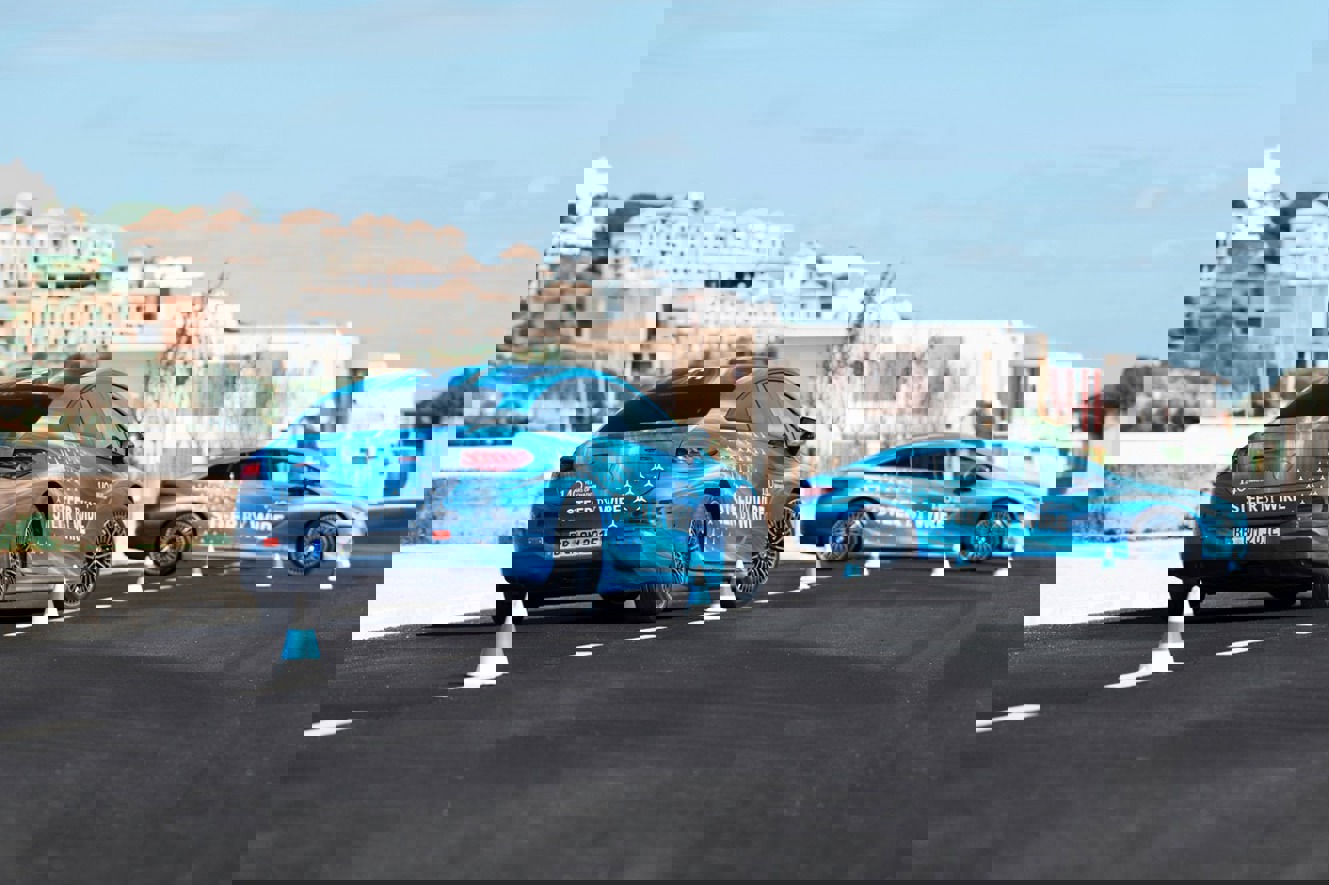



Mercedes-Benz is about to change one of the most fundamental touchpoints in driving: the steering wheel. The updated EQS will soon be offered with steer-by-wire technology, removing the traditional mechanical link between wheel and front axle and replacing it with electronic signals and actuators.
It’s a big claim, but Merc says the result is a more precise, intuitive and low-effort driving experience. With no physical connection, steering inputs are interpreted digitally, allowing the system to vary response depending on speed and situation. That means easier low-speed manoeuvring and parking, while maintaining stability at higher speeds.
Less arm-twirling, more thinking
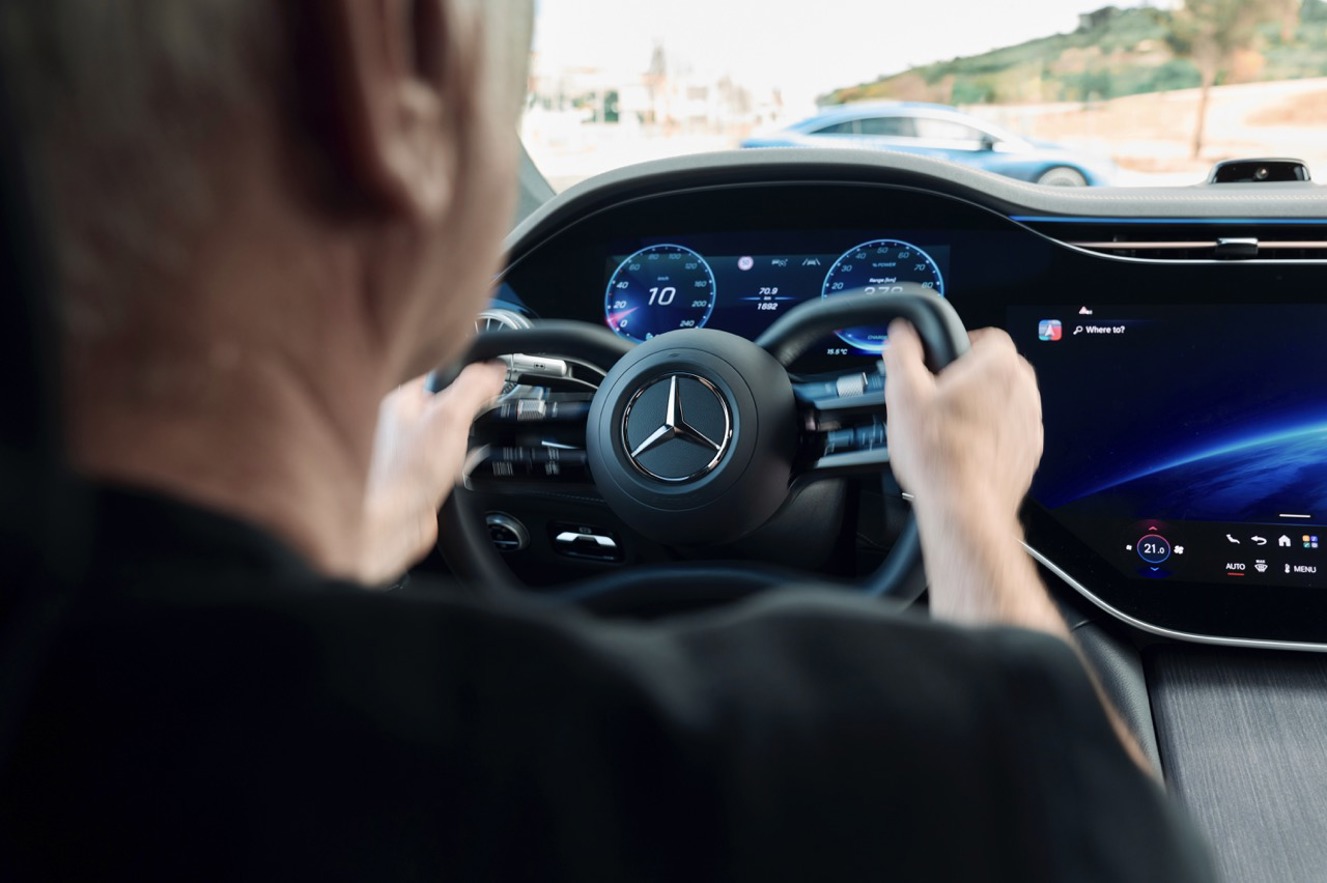
One immediate benefit: no more hand-over-hand shuffling when turning tight corners. The system can reduce steering effort and adjust ratios dynamically, so drivers can navigate urban spaces with minimal input. At the same time, unwanted vibrations from rough road surfaces are filtered out, something traditional steering systems can’t fully eliminate.
Mercedes also says it has modelled tyre-road feedback digitally to retain a natural steering feel, despite the absence of a physical link. That’s crucial because while removing hardware can add flexibility, it risks losing the tactile cues drivers rely on.
The system works in tandem with rear-axle steering (up to 10 degrees), helping the EQS balance agility and high-speed composure, two traits that usually pull in opposite directions.
Flat wheel, fresh cabin thinking
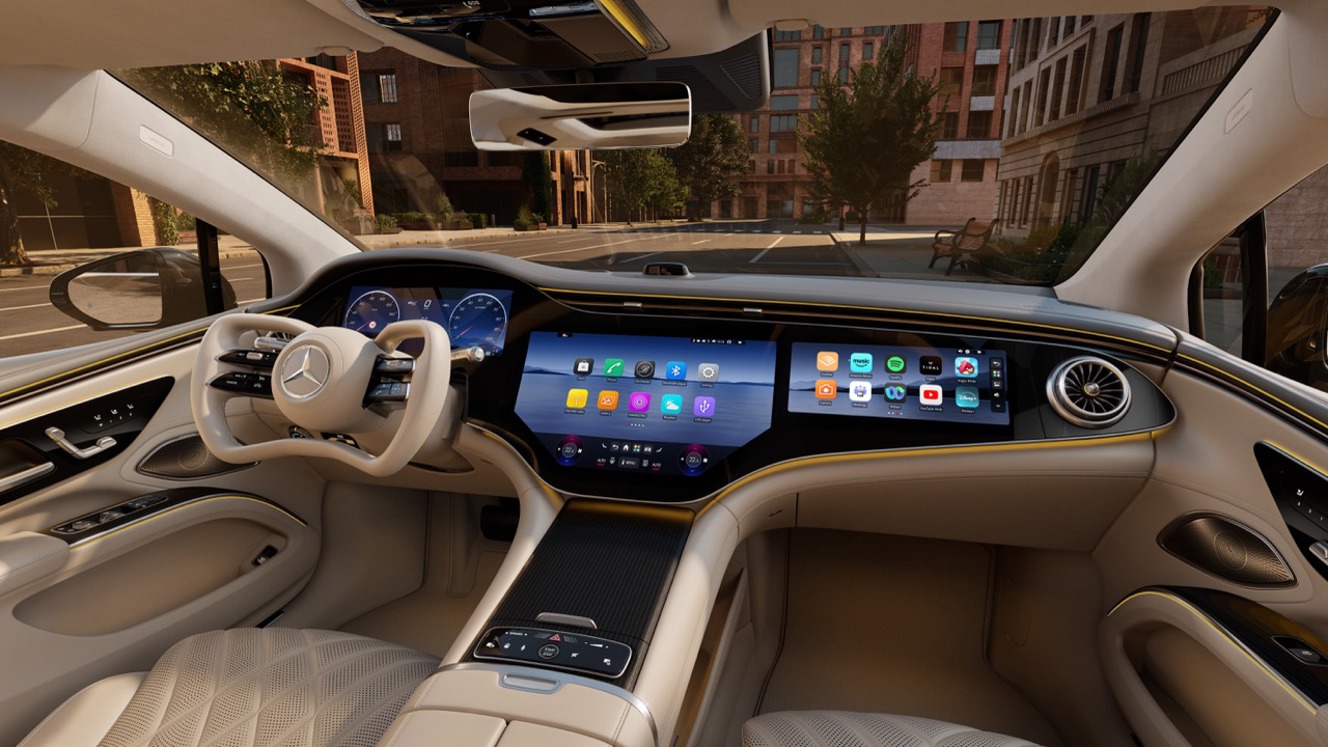
Steer-by-wire also opens the door (literally) to a different interior layout. The EQS adopts a flatter, more compact steering wheel, improving visibility of the driver display and making entry and exit easier.
But that redesign comes with safety challenges. Without a full steering wheel rim to brace against, Mercedes has developed a new airbag architecture with internal support structures to ensure consistent deployment. The airbag remains integrated into the hub and meets the same safety standards as before.
Safety net, doubled
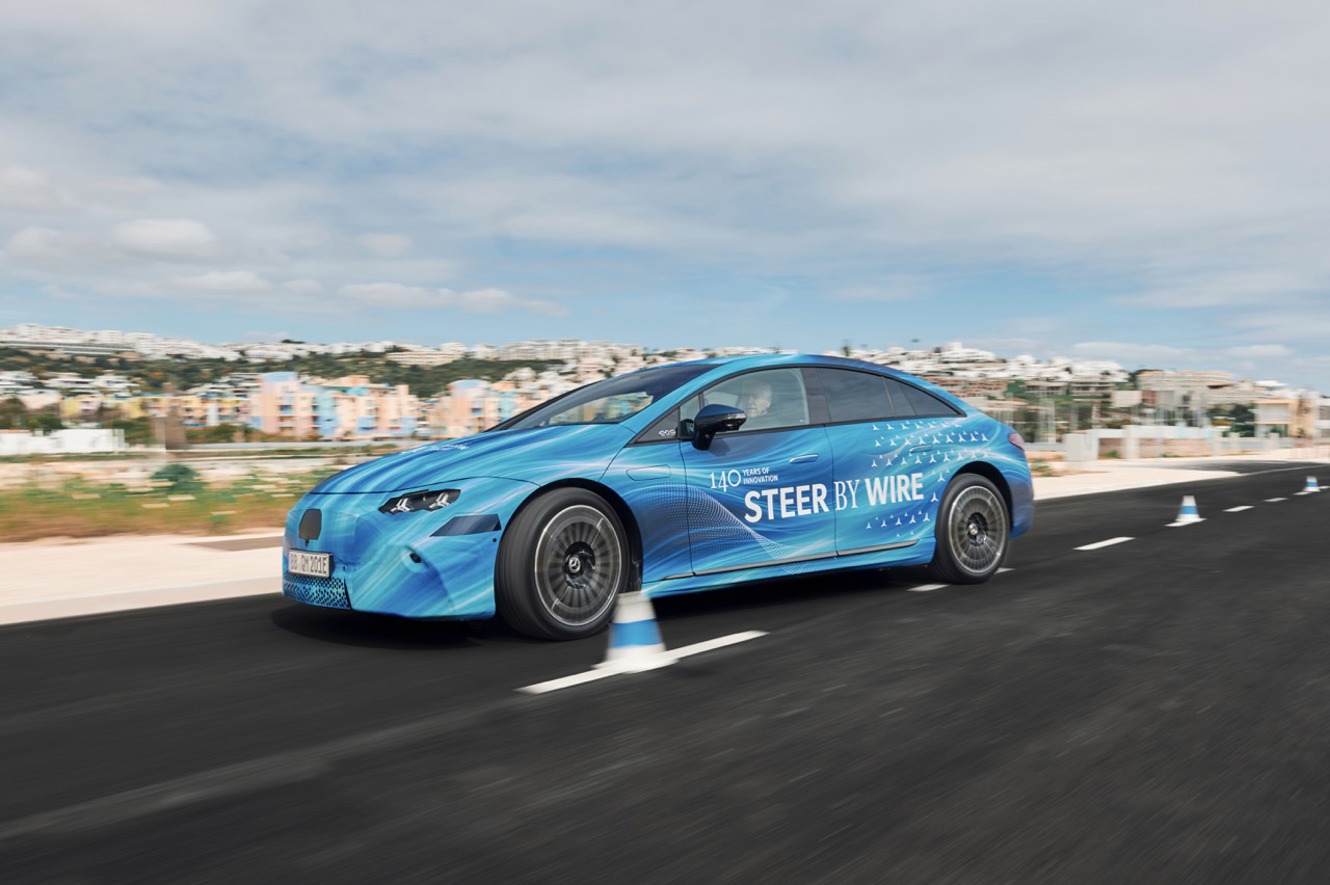
If the idea of “no mechanical backup” raises eyebrows, Mercedes is keen to reassure. The system uses a redundant architecture with dual signal paths, meaning steering capability is maintained even if one pathway fails. In extreme scenarios, rear-wheel steering and targeted braking via stability control can still help guide the car.
More than a million kilometres of testing have been logged across rigs, proving grounds and public roads, according to the company.
Steer-by-wire will be available across all EQS variants alongside conventional electromechanical steering as an option.
It’s a bold step, arguably one of the biggest shifts in driving interface since power steering itself. Whether drivers embrace it will come down to feel, trust… and how quickly they forget the old way ever existed.