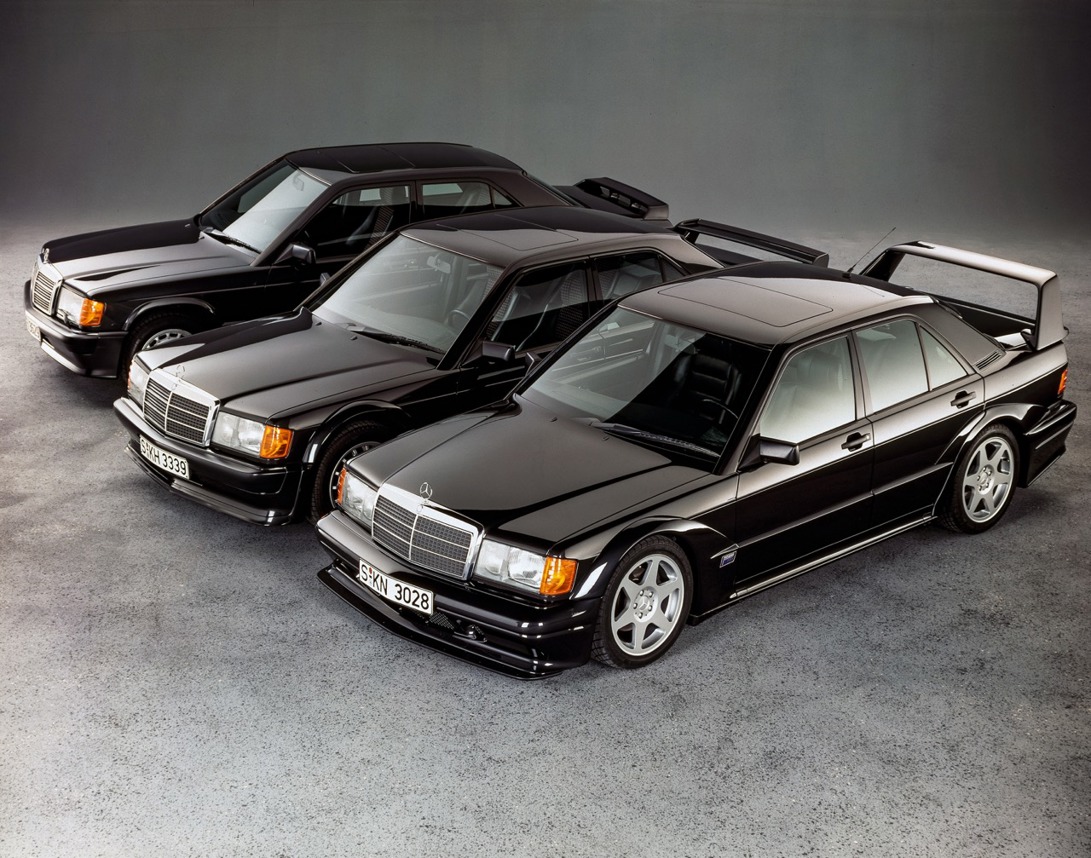



- Mercedes built 502 examples of the 190 E 2.5-16 Evolution II in 1990 for DTM homologation.
- The roadgoing Evo II used a 2.5-litre four-cylinder engine with 173kW and 250km/h.
- The Mercedes-Benz Museum is displaying chassis 222/500 until May 31, 2026.
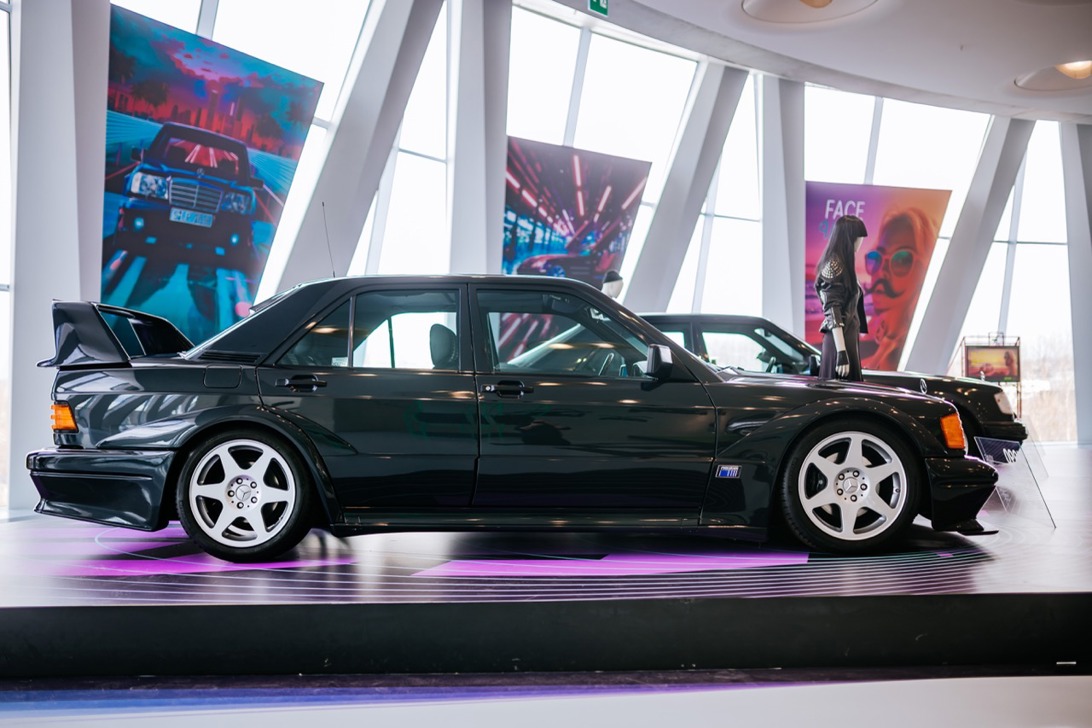
Big wing, boxy stance, massive wheels and absolutely no interest in subtlety: the Mercedes-Benz 190 E 2.5-16 Evolution II still looks like it has unfinished business.
More than three decades on, the so-called Evo II remains one of the brand’s most recognable road-going homologation specials, and one of its most desirable young classics.
Mercedes-Benz Heritage is now putting the spotlight back on the 1990 cult hero as part of the Youngtimer exhibition at the Mercedes-Benz Museum, where the car is on display until May 31, 2026.
Built for the rulebook, blessed by the racetrack
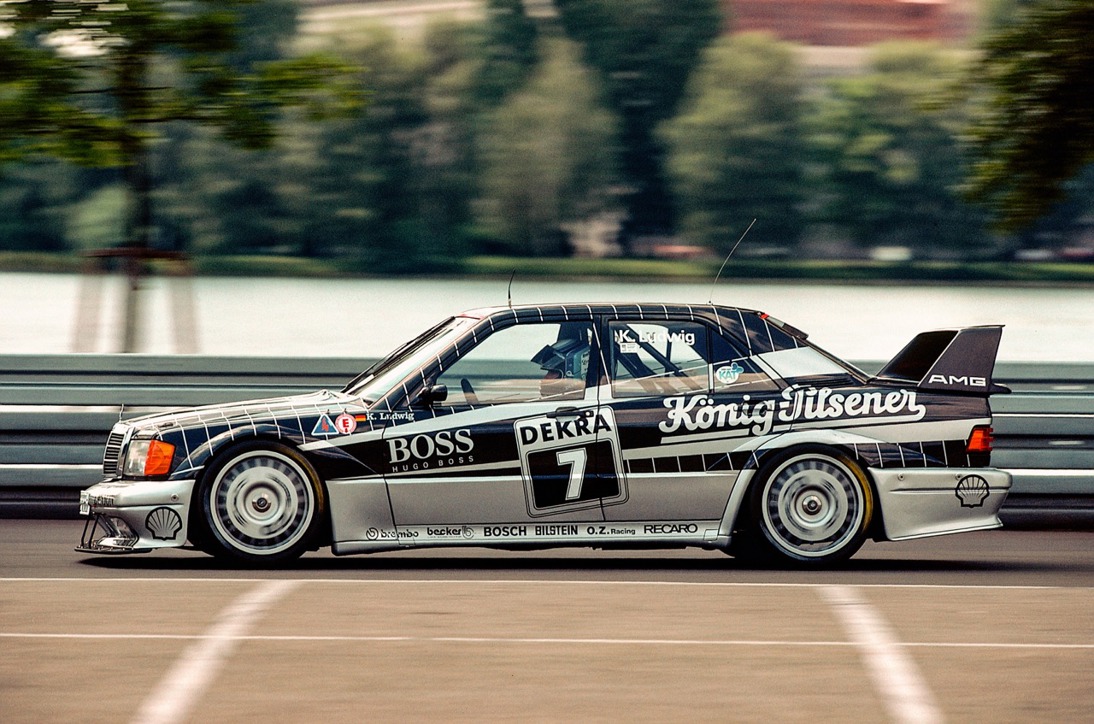
The Evo II was created for a very specific reason: DTM homologation.
Mercedes built 502 examples in 1990, just enough to satisfy the regulations for its touring car racer, with two extra cars produced as a safety margin beyond the 500-car minimum.
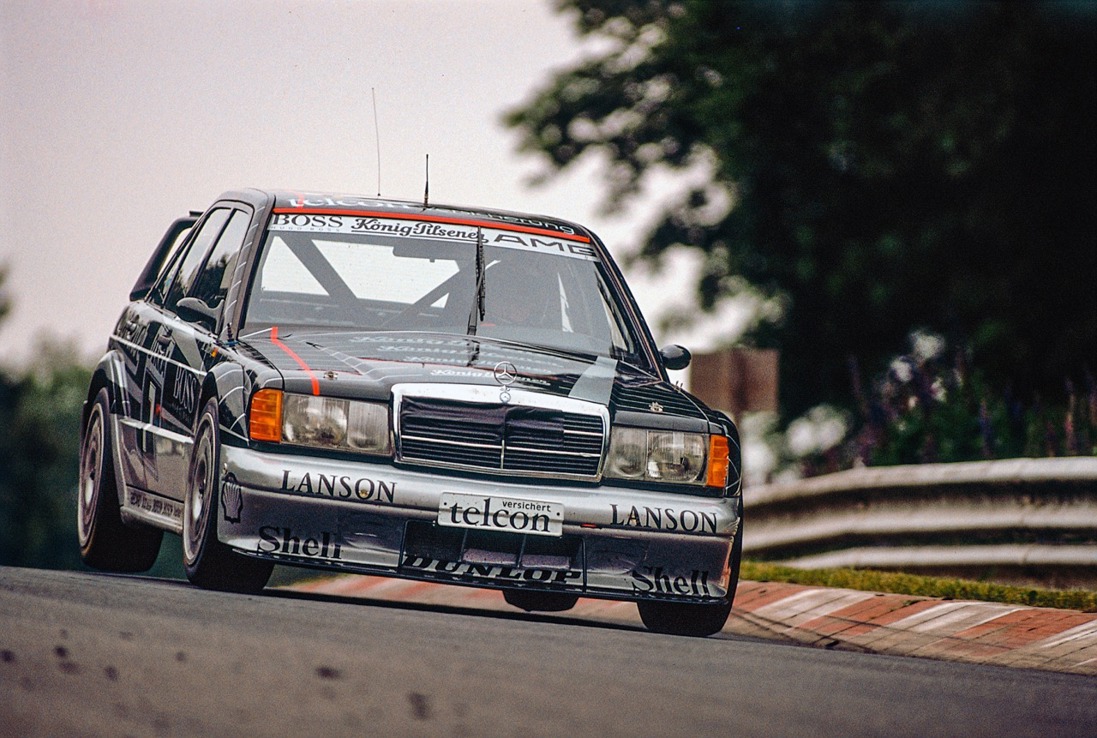
That race connection was no footnote, either. The DTM version of the Evo II went on to serious success, culminating in Klaus Ludwig winning the 1992 DTM title. The museum car itself is chassis 222/500, identified by the plaque on its five-speed gear lever.
Every road car was finished in Blue-Black Metallic, and each one wore the kind of aero package that made even standard performance saloons look a bit underdressed.
No interest in blending in
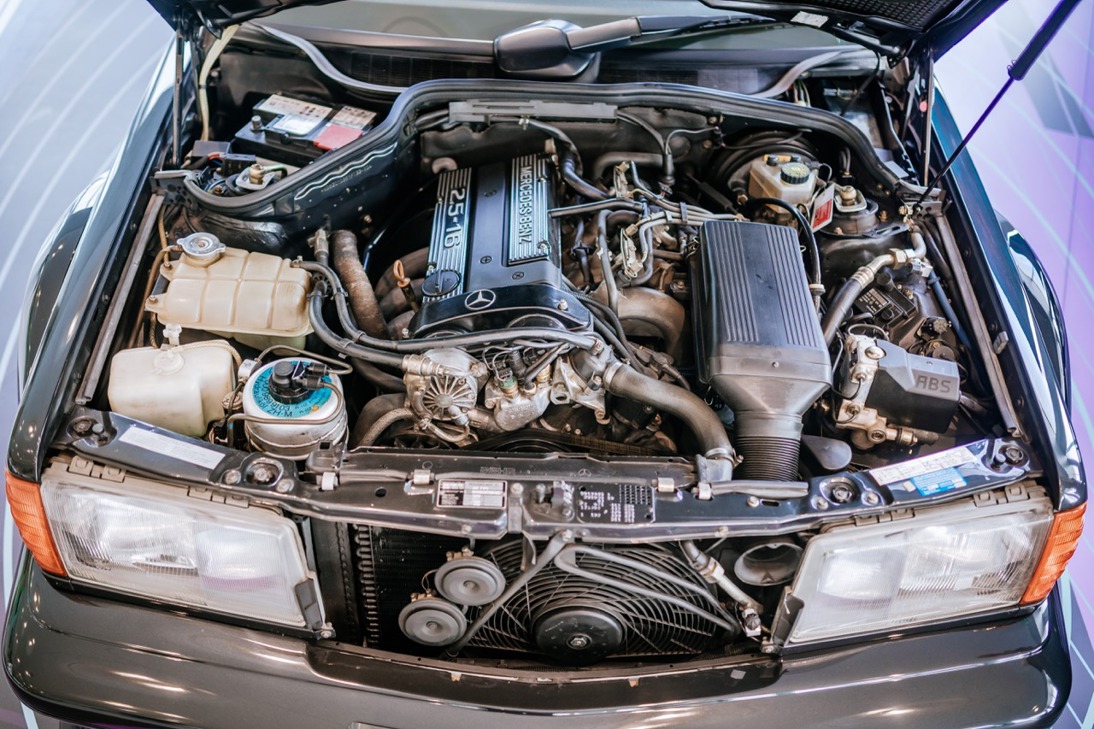
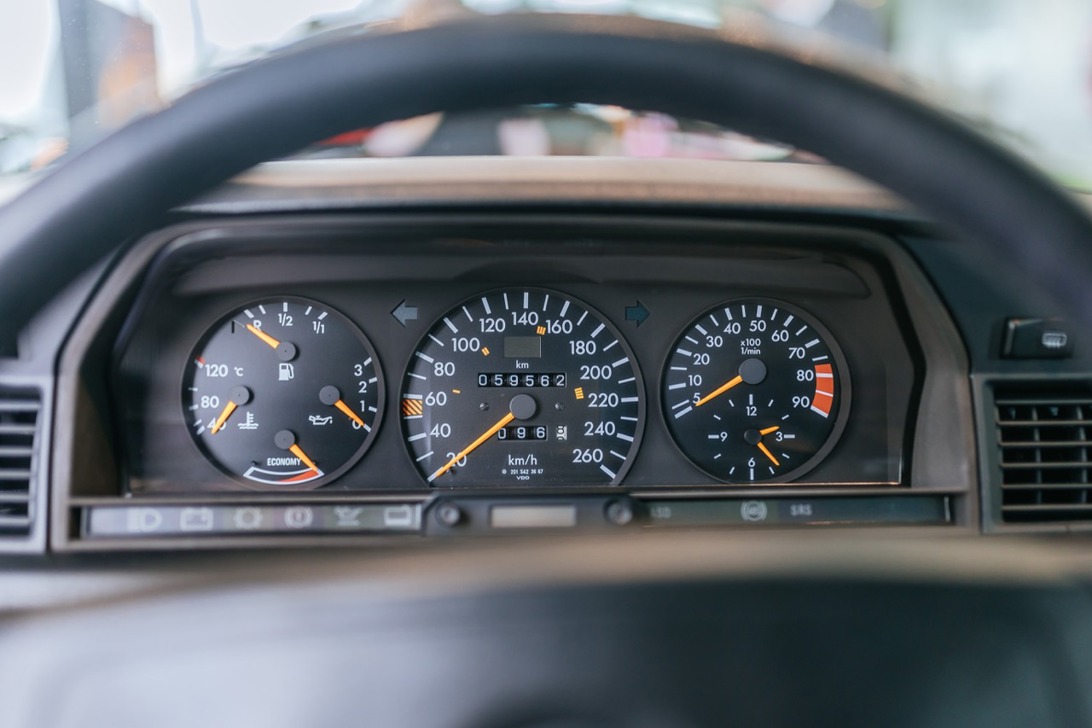
Under the bonnet sits a 2.5-litre four-cylinder with four-valve technology, producing 173kW at 7200rpm. Mercedes quoted a 250km/h top speed, although the speedometer cheekily ran to 260km/h.
The race car, naturally, went much further.
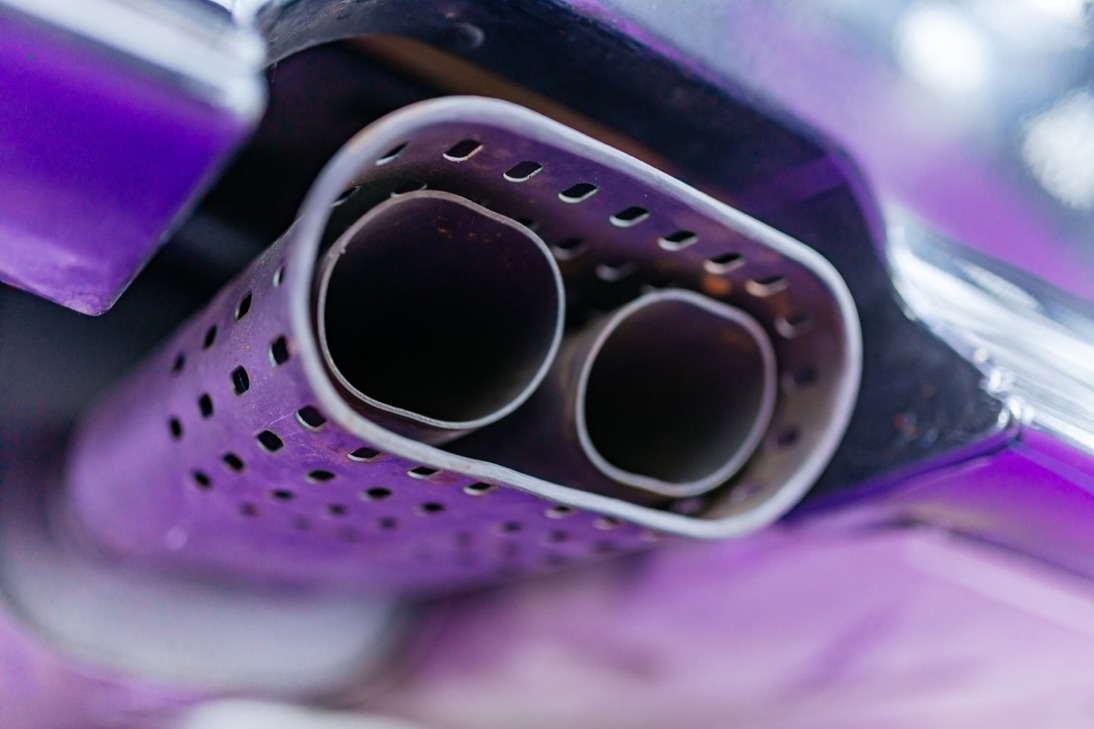
Early DTM versions made 245kW, while Ludwig’s 1992 championship-winning machine developed as much as 274kW.
The bodywork was honed in the wind tunnel, and it showed. The enormous rear wing was adjustable, the rear window was partially covered to improve airflow, and the widened guards framed those famous 17-inch six-spoke alloy wheels wrapped in 245/40 ZR17 tyres. Former Mercedes design boss Bruno Sacco reportedly likened them to Roman chariot wheels. Hardly a bad description.
A compact saloon with proper theatre
For all its aggression, the Evo II wasn’t stripped bare.
It came with sports seats, ABS, a sunroof, air conditioning and even a Becker Grand Prix cassette radio.
Back in period, this one cost about DM120,000, while a regular 190 E started at DM38,455. That made the Evo II exclusive then, and extremely valuable now.
It also helps explain why the Evo II still lands so well today. It wasn’t merely fast or rare. It took the tidy, sensible 190 formula and gave it proper touring-car attitude of the sort that still stops you mid-walk, even standing still.