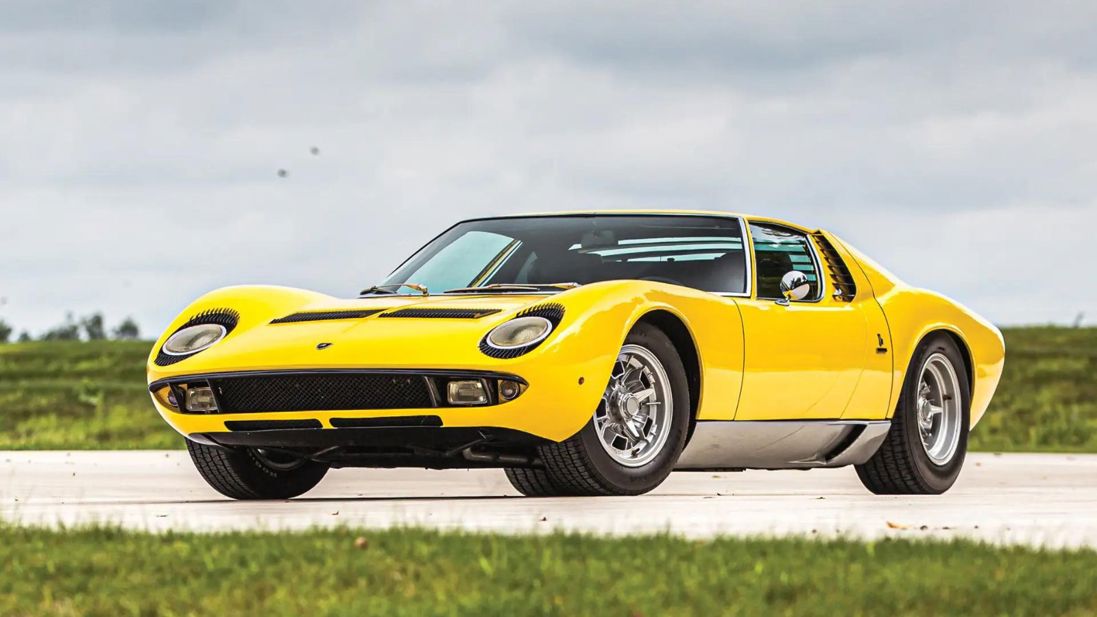



- Lamborghini’s 1965 Turin display centred on a lightweight 120kg chassis with a 4.0-litre V12.
- The P400 architecture was created in 1964 to bring racing principles to road cars.
- Bertone secured bodywork duties for the project, leading to the Miura’s 1966 Geneva Motor Show debut.
Lamborghini is gearing up for a year-long celebration in 2026 to mark six decades since the legendary Miura’s debut, but the brand is kicking things off by looking even further back, to the oddly humble star of the 1965 Turin Motor Show: a satin-black chassis with no body, no glamour and absolutely no intention of staying quiet.
The chassis that upstaged the cars
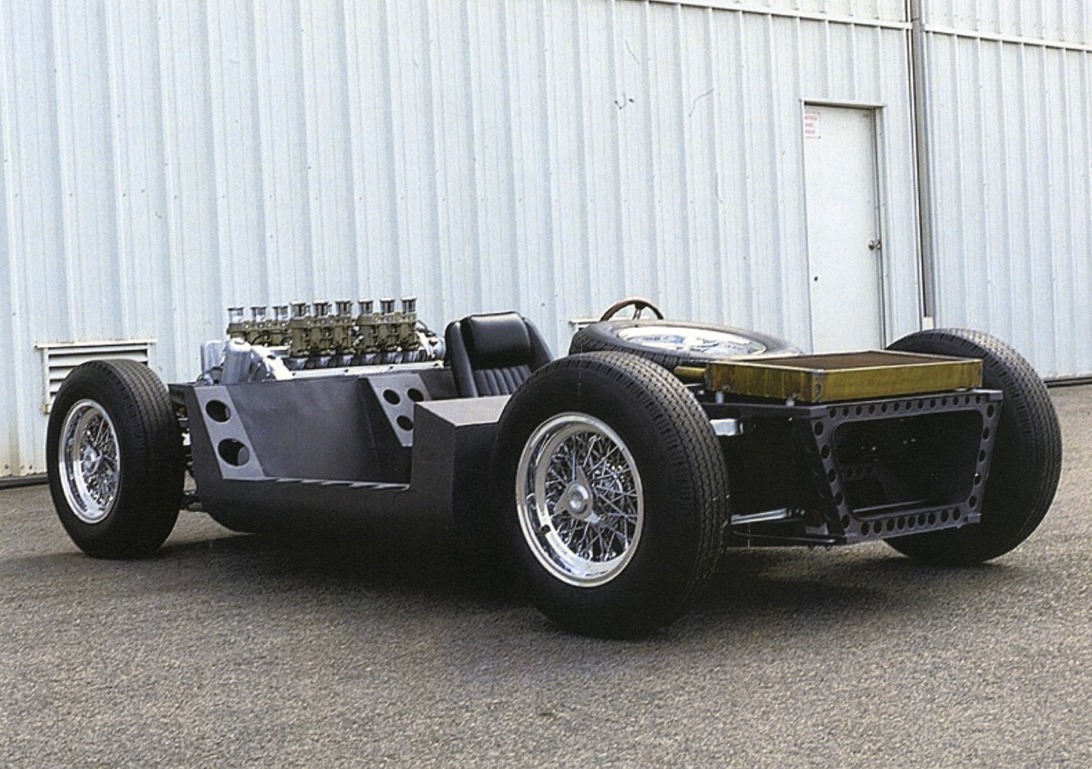
In November 1965, showgoers expecting the usual gleaming metal instead found themselves crowded around a skeletal frame of folded 0.8-mm steel, drilled full of lightening holes and wearing a transverse-mounted 4.0-litre V12.
Lamborghini wasn’t unveiling a finished car so much as a manifesto. As the company now puts it, the display was “a radical gesture marking the beginning of a new era.”
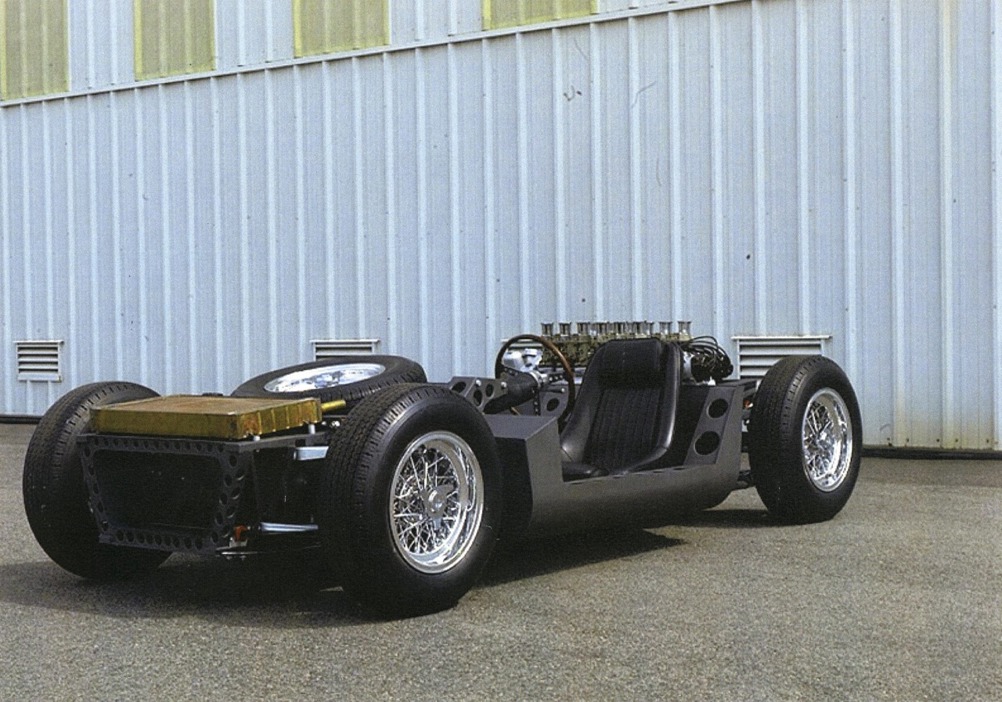
The chassis weighed under 120kg yet promised unheard-of rigidity, pairing a central tub with front and rear subframes, independent double-wishbone suspension and Girling discs. It looked like a racer, because that was precisely the energy its young creators channelled.
Giampaolo Dallara, Paolo Stanzani and test driver Bob Wallace, each barely into their twenties, had dreamt up the idea in 1964. If Ferruccio Lamborghini wouldn’t take them racing, they decided racing would come to the road. Their clandestine project became the P400, and Ferruccio (initially sceptical) eventually gave them his blessing.
A coachbuilder scramble
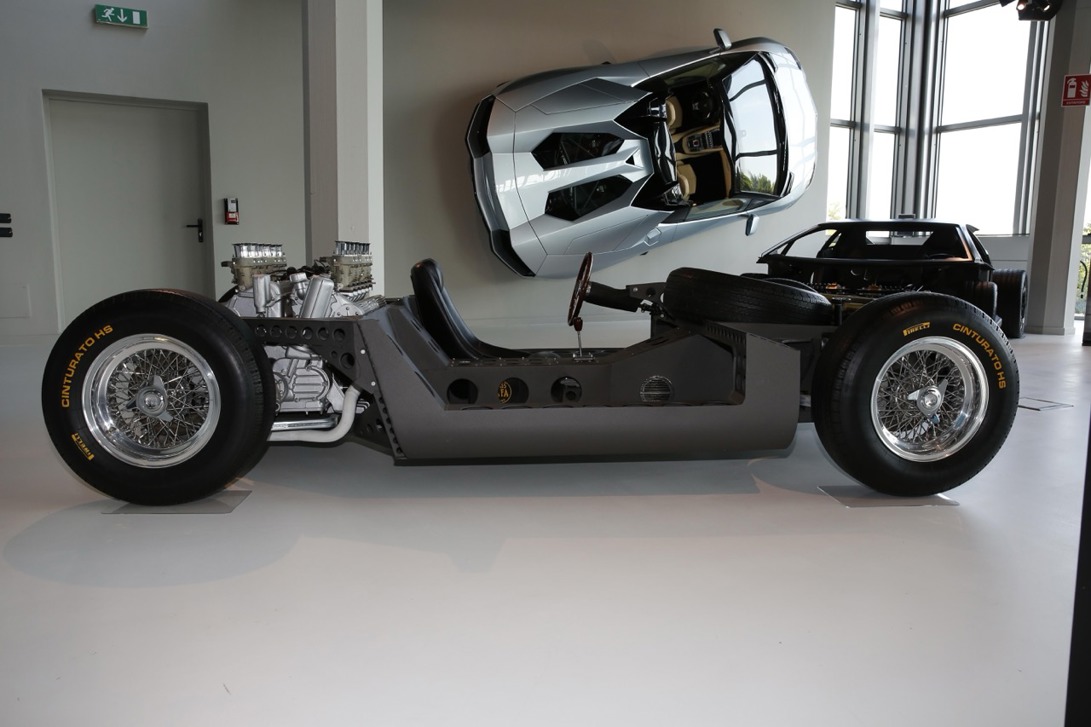
The chassis, shown alongside the 350 GT and 350 GTS, caused such a stir that Italy’s top design houses made a beeline for Sant’Agata’s stand.
Touring pitched a proposal but was hindered by financial woes; Pininfarina was unavailable; and then, as the story goes, Nuccio Bertone strolled in near closing time. Ferruccio teased him: “You are the last of the coachbuilders to show up.” Bertone shot back that his studio would craft “the perfect shoe for this wonderful foot.” Whether apocryphal or not, the partnership was sealed.
By Christmas, Bertone’s first sketches had been approved.
From bare bones to supercar icon
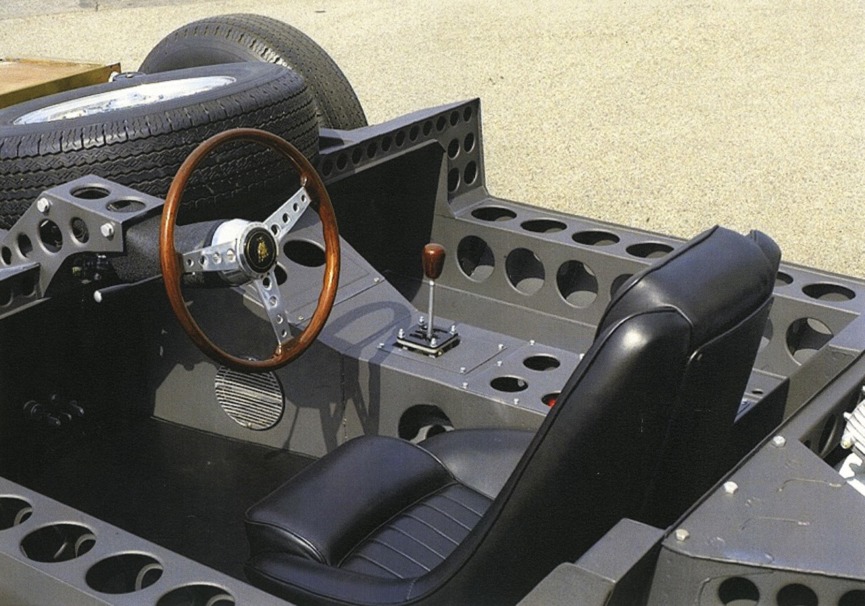
Just four months later, in March 1966, that chassis emerged at Geneva wearing its now-mythic Miura body, and the supercar category itself was born.
In 2026, Lamborghini will honour the model with official Polo Storico events and global celebrations, all harking back to that moment in Turin when a naked frame, four white exhausts and a dozen Weber trumpets quietly rewrote performance-car destiny.
A legend, it turns out, doesn’t always begin with a roar. Sometimes it starts with a chassis daring the world to imagine the rest.