



Daile Stephens has over 20 years of experience in the automotive industry, with a career spanning both distribution and agency roles in New Zealand and the UK, in London. She’s worked with global brands including Land Rover, Jaguar, and Subaru.
Daile is now leading Volvo Cars NZ as brand manager for NordEast Vehicle Distributors, a Giltrap Group division.
What led you to the automotive industry in the first instance: choice or opportunity?
Looking back, I think it was inevitable. Growing up on a dairy farm in the Waikato, I fell in love with driving while sitting on my dad’s knee steering the tractor. There was an instant connection, and I was hooked. From farm bikes to my first car, if it had a motor, I was in my happy place.
After graduating with a bachelor’s degree in communications with a post-grad in marketing I vividly remember flicking through the classifieds in The NZ Herald looking for my first real opportunity.
One ad jumped off the page with the headline: “Attitude is everything!” Culture has always mattered to me, so I was immediately drawn in. The fact that it was for Subaru - a car company - made it perfect. This was a chance to work with an aspirational lifestyle brand as a young marketer, in a business with values that genuinely resonated with me. I applied, got the job, and the rest, as they say, is history.
What's the most significant barrier you've faced in your career, and was your gender an advantage or disadvantage in overcoming it?
One of the biggest barriers I’ve faced has been navigating an industry where leadership traditionally looked a certain way - and for a long time, that didn’t include people who looked like me. I wasn’t always sure what the pathway was and how to get there.
At times, it felt like my gender could have been a disadvantage simply because I didn’t fit the established mould. I was fortunate to have a supportive manager who saw my potential and championed my progress within the industry.
Another important one which would be remiss of me not to mention is the work-life balance and mum guilt, especially when the kids were younger. Fortunately, it was never a barrier to my employers as I was promoted through the ranks, but it was an internal struggle for me at times, as it was and still is, important that I am there for my family and I don’t miss the important milestones.
Last year you moved from a marketing role to head of a brand. Was this always a goal, did it always seem achievable, and did you feel ready?
I’ve always wanted to keep growing professionally, but until recently I assumed my career would begin and end in automotive marketing.
Over time, I realised that much of what I loved about marketing - shaping strategy, understanding customers, influencing direction - was really a broader leadership role. I was given opportunities to lead cross-functionally and gained a real sense of what it could be like to lead a brand.
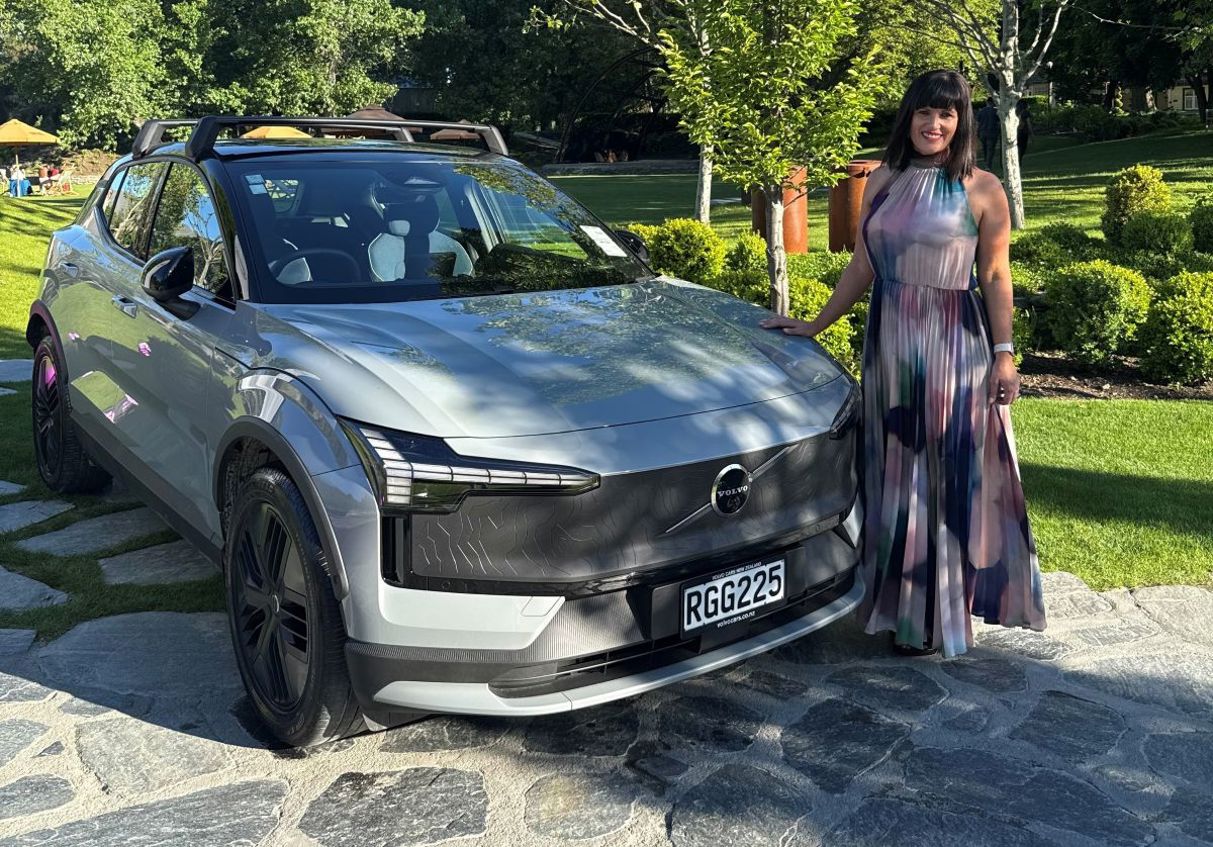
When I was ready for a new challenge, encouragement from friends, family, and my professional network helped me take the next step as Volvo Cars brand manager. I’m grateful for my supportive husband, who has always shared the load with our young family, and for my colleagues in the Subaru of NZ leadership team, who gave me exposure across the business which helped me grow well beyond marketing, along with leadership development opportunities.
And more recently, the Giltrap Group for seeing my potential to take that next step. I am still learning today, but together with a great team, factory, and dealer network, I am proud to share that I am leading the Volvo Cars brand in NZ which has increased sales by over 40% year-on-year and we are only just getting started.
It’s exciting to have so many new Kiwis discover the Volvo brand – we have the best value premium AWD SUVs in the market and have exciting new models arriving this year. I have an amazing challenge to grow the brand, with great product, I’m loving the new role.
In your experience, have you found women employ a different leadership style to men?
In my experience, women typically lean into collaboration and relationship‑building, while men bring a more direct, decisive style. I’ve also worked with male leaders who were incredibly emotionally intelligent and female leaders who were extremely assertive, so these traits aren’t tied to any one gender.
Ultimately, when different leadership styles come together, regardless of gender, they create stronger, more rounded teams with true diversity of thought.
What strategies do you use to promote an egalitarian workplace?
I try to promote an equal workplace by creating an environment where everyone feels like they belong and are valued.
In an industry that’s traditionally been male‑dominated, I’m very conscious of making sure different voices are heard, regardless of gender or age. I try and encourage open conversations and make space for people to contribute in ways that are comfortable for them.
It's 2026, so seriously: why do you think there are still so few women represented in the upper echelons of the Kiwi car world?
Shifting a legacy culture takes time. Many women still don’t see themselves reflected in senior roles, so it’s not yet "the norm", making it harder to picture a future there.
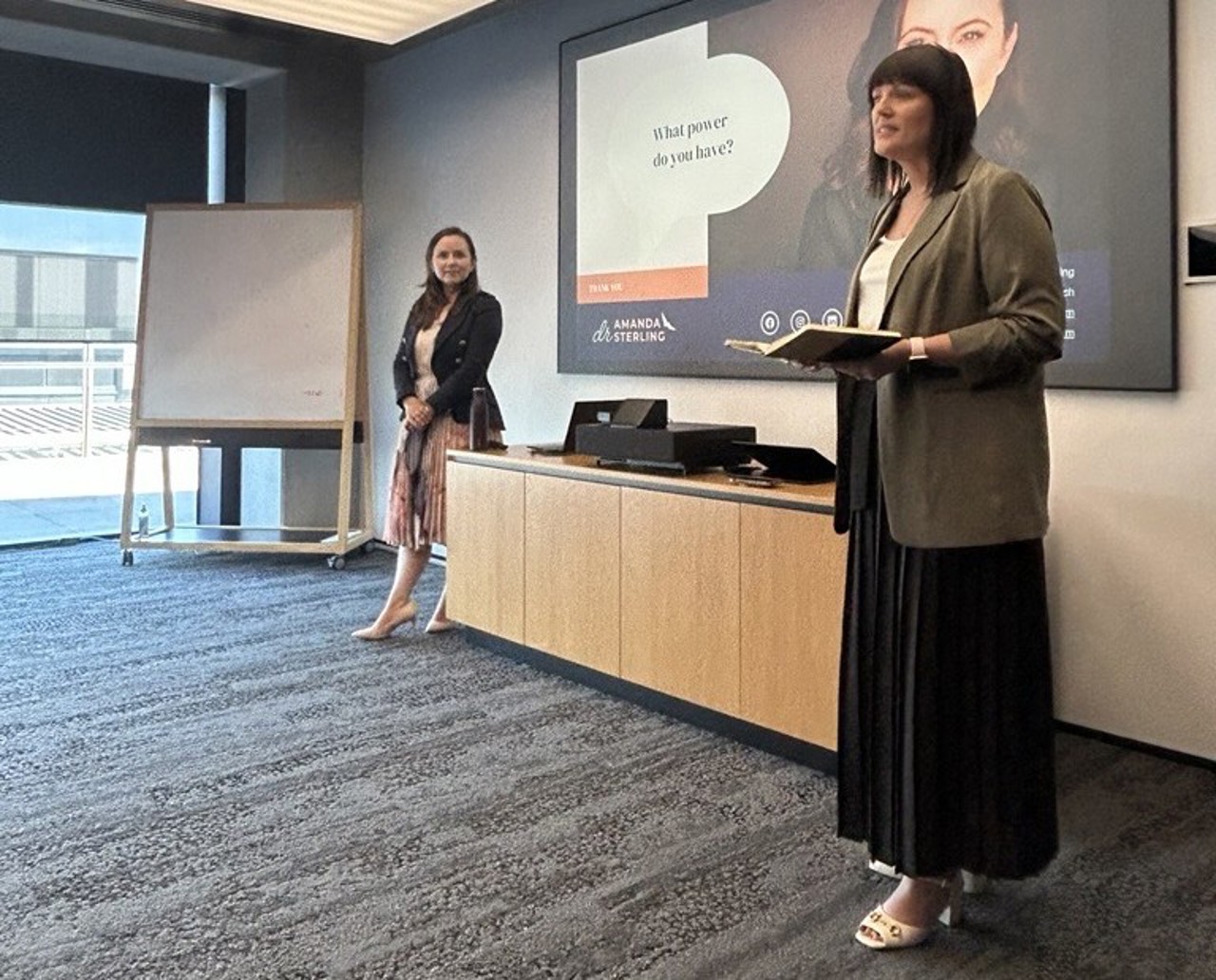
Progress can feel slow, but it is happening. Support from managers and partners is critical to building a pipeline of future female leaders, along with flexibility and investment in leadership development to ensure the environment is genuinely supportive.
Finally, “you can’t be who you can’t see.” I encourage more women to be visible in automotive leadership, to help other females imagine a future here too.