



- BYD sold over 2 million battery-electric vehicles in 2025, becoming the largest global EV maker.
- Tesla reported 2025 deliveries down 9% year-on-year to 1.64 million vehicles worldwide.
- BYD’s total 2025 sales rose 7.7% to 4.6 million vehicles, with EV sales up 28%.
China’s electric juggernaut didn’t just edge ahead but drove straight past.
After a year of sliding deliveries at Tesla, BYD has claimed the global EV crown, becoming the world’s largest electric-vehicle manufacturer by sales. Not bad for the brand that claimed 2025's Overall Winner award in the DRIVEN Car Guide 2025 New Zealand Car of the Year awards
The shift marks a symbolic changing of the guard in an industry that, until recently, seemed synonymous with Elon Musk’s brand.
A numbers game Tesla couldn’t win
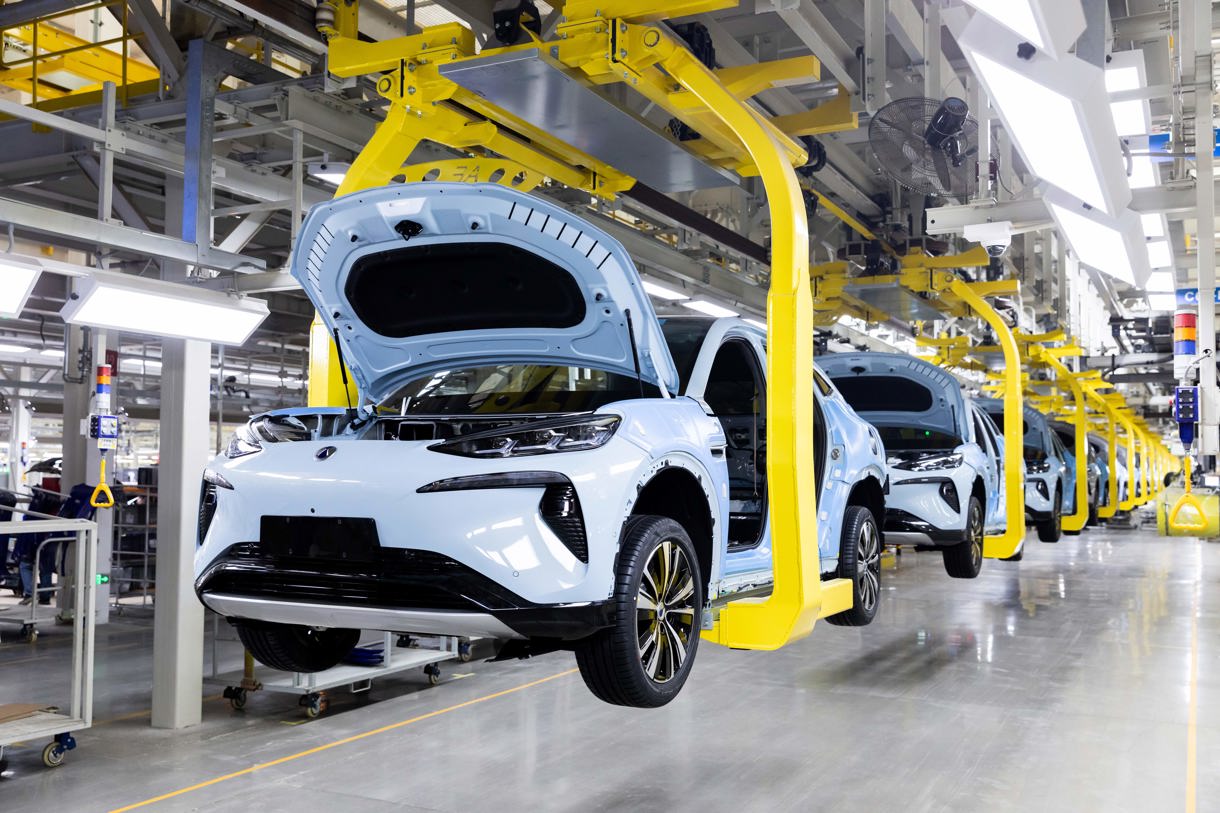
The headline figure is stark. Tesla’s global deliveries fell % last year to 1.64 million vehicles. BYD, by contrast, sold more than 2 million battery-electric vehicles over the same period, pushing it firmly into first place.
Zoom out further and the momentum becomes even clearer. BYD’s total global sales reached 4.6 million vehicles, up 7.7% year-on-year. Nearly half of those were electrified, with EV sales alone jumping 28%. Tesla, meanwhile, found itself on the back foot despite launching lower-priced versions of the Model 3 and Model Y late in the year - moves that failed to fully arrest the decline.
Politics, pricing and perception
Sales figures rarely exist in a vacuum, and Tesla’s stumble appears to be the product of several converging forces. In the United States, the removal of federal EV subsidies took the edge off demand just as competition intensified. At the same time, Tesla’s brand, long powered by Musk’s outsized promises of robotaxis, humanoid robots and futuristic hardware, has faced growing scepticism.
Delays haven’t helped. The long-promised next-generation Roadster remains conspicuously absent after eight years, and Musk’s increasingly visible political alignment has alienated some would-be buyers. The result is a brand that still commands attention, but not always the kind carmakers want.
Why BYD’s rise worries everyone
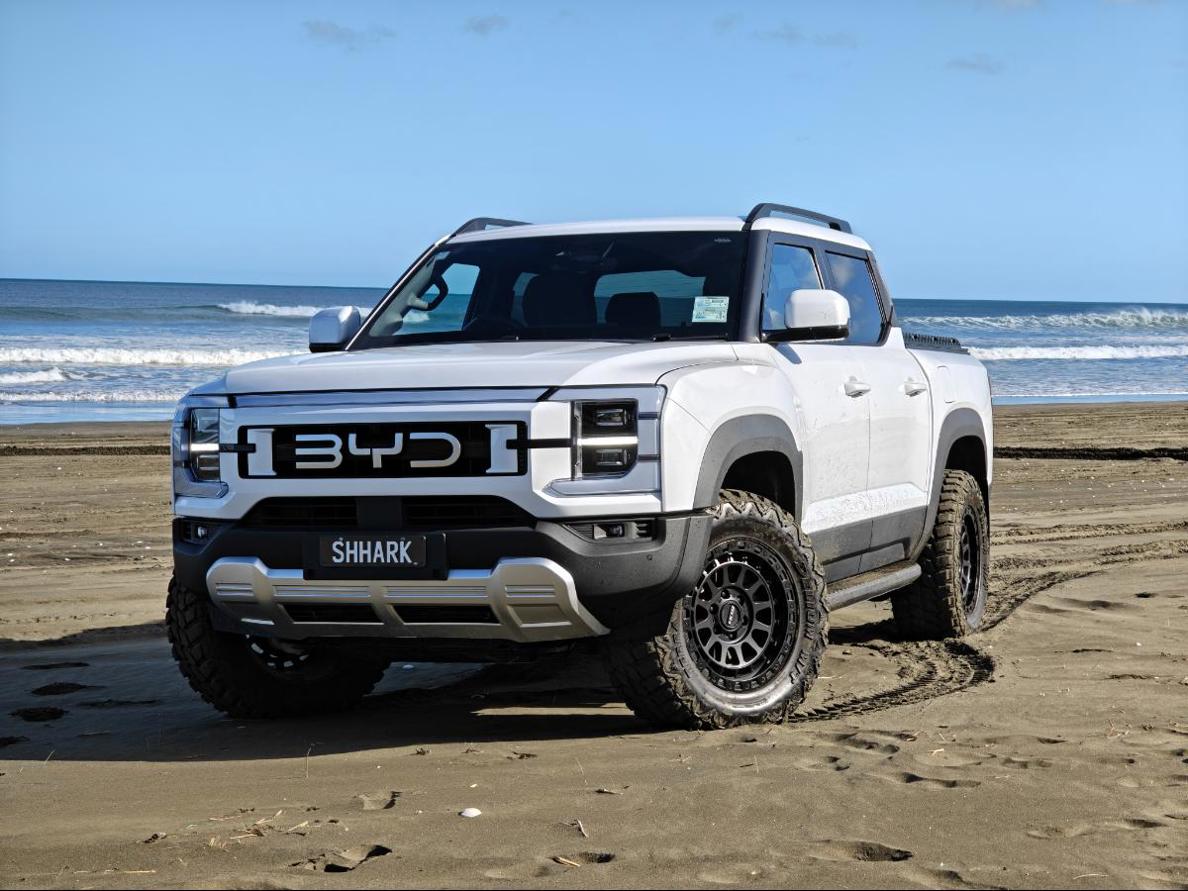
BYD’s ascent is about more than beating Tesla. It’s a warning shot to the entire global auto industry. Outside China, the UK has emerged as BYD’s strongest overseas market, where sales have reportedly surged by nearly 900% even as local manufacturers grapple with supply-chain and cost pressures.
The company isn’t slowing down either. Several updated and facelifted models are waiting in the wings, although competition at home is heating up from rivals such as Geely and Xiaomi. Even so, the broader message is clear: Chinese manufacturers are no longer fringe players, as they’re shaping the market’s centre of gravity.
For now, BYD enjoys the bragging rights. In boardrooms from Detroit to Tokyo, though, the bigger takeaway is less celebratory. The world’s biggest EV maker is no longer a Silicon Valley disruptor. It’s a Chinese industrial heavyweight, and by all indications it's just getting started.