



The boss of Britain’s biggest car maker has hit back at green campaigners for ‘demonising diesel’ amid a backlash against the fuel.
Jaguar Land Rover managing director Jeremy Hicks [pictured below] said motorists were being frightened off buying diesel cars by the threat of UK council bans, extra charges, and ‘false impressions’ generated by campaigners engaging in a ‘diesel diatribe’.
Four in ten British cars are run on the fuel after a drive to promote it by the last Labour government. But there is a growing backlash as evidence mounts that diesel cars spew out large quantities of nitrogen dioxide which is damaging to public health.

However, Mr Hicks said that the trendy wood-burners beloved of environmental campaigners are actually just as bad as the worst-polluting cars.
Critics were too often ‘identifying the wrong villains’ by criticising modern, clean diesel vehicles and ignoring buses, taxis and trucks, Mr Hicks said.
“The impression is being given that the way to improve air quality in our cities is simply to ban diesel cars from entering them,” he said.
“Slam-dunk. Job done. But we know it is not that simple.
“The diesel cars that Jaguar Land Rover and the rest of the industry produce today are comparable with the petrol ones in terms of the nitrogen oxide, nitrogen dioxide and the particulates they emit. There has been a seismic shift in diesel technology.”
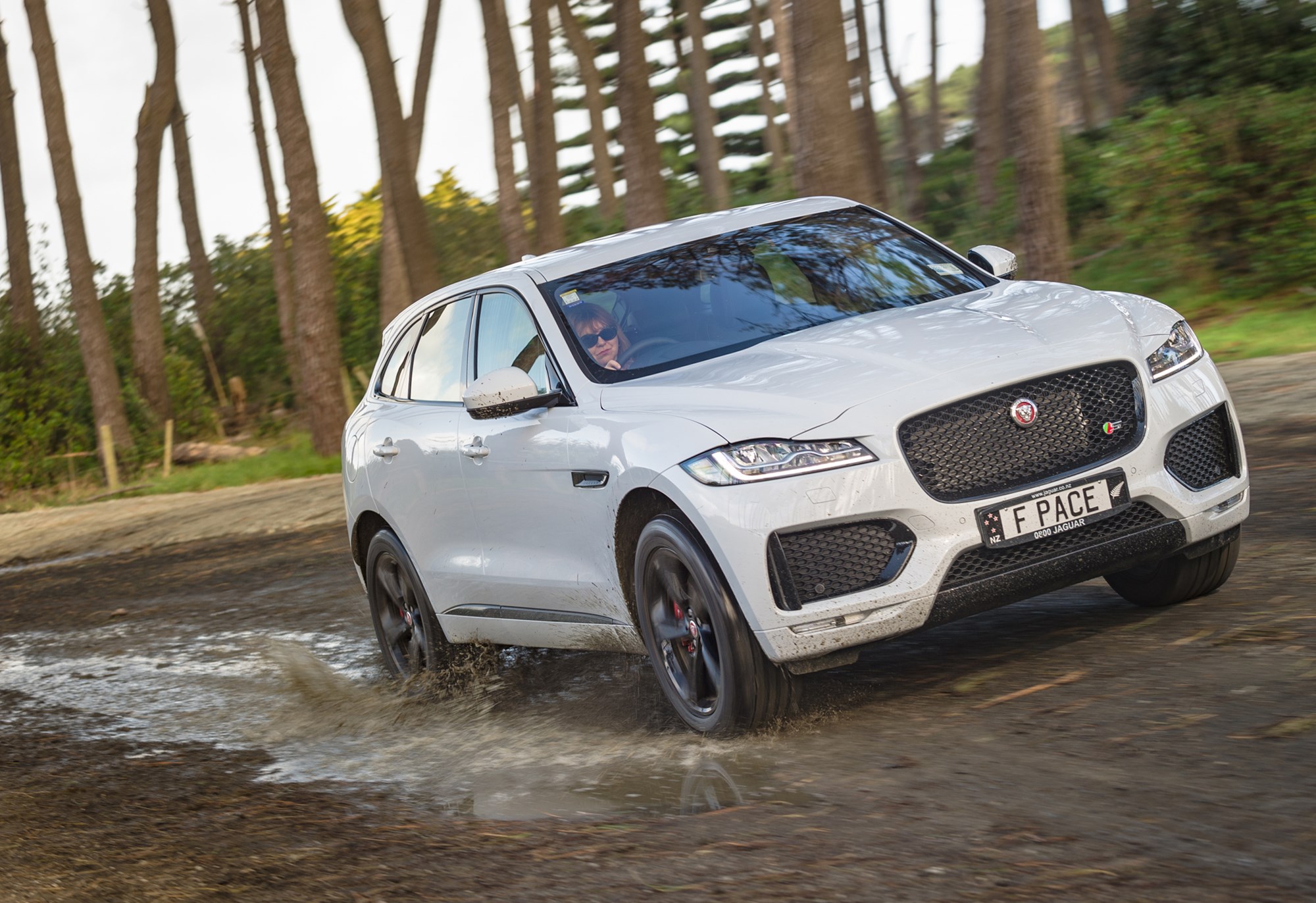
The Jagusr F-Pace SUV is offered with petrol and diesel variants. Photo / Ted Baghurst
Half of the cars sold by British manufacturers today are diesels. Revenue from the new Euro6 diesel models subsidises the development of environmentally-friendly cars, Mr Hicks said.
“We are moving to a mobility revolution towards autonomous, connected, electric cars,” the managing director said.
“It would be truly tragic for our environment and our mobility if those developments were delayed because of the negative impact a mishandled, misinformed diesel debate had on our industry.”
The boss said that JLR had ploughed billions into electric vehicles and this painstaking work would be put at risk if diesel sales dived.
“We are on a journey to a new zero-emission future and the latest high-tech diesels in our cars are just an important step on that journey,” he said.
“By 2020, just three years away, half of all the cars we at Jaguar Land Rover offer will have the option of electrification.”
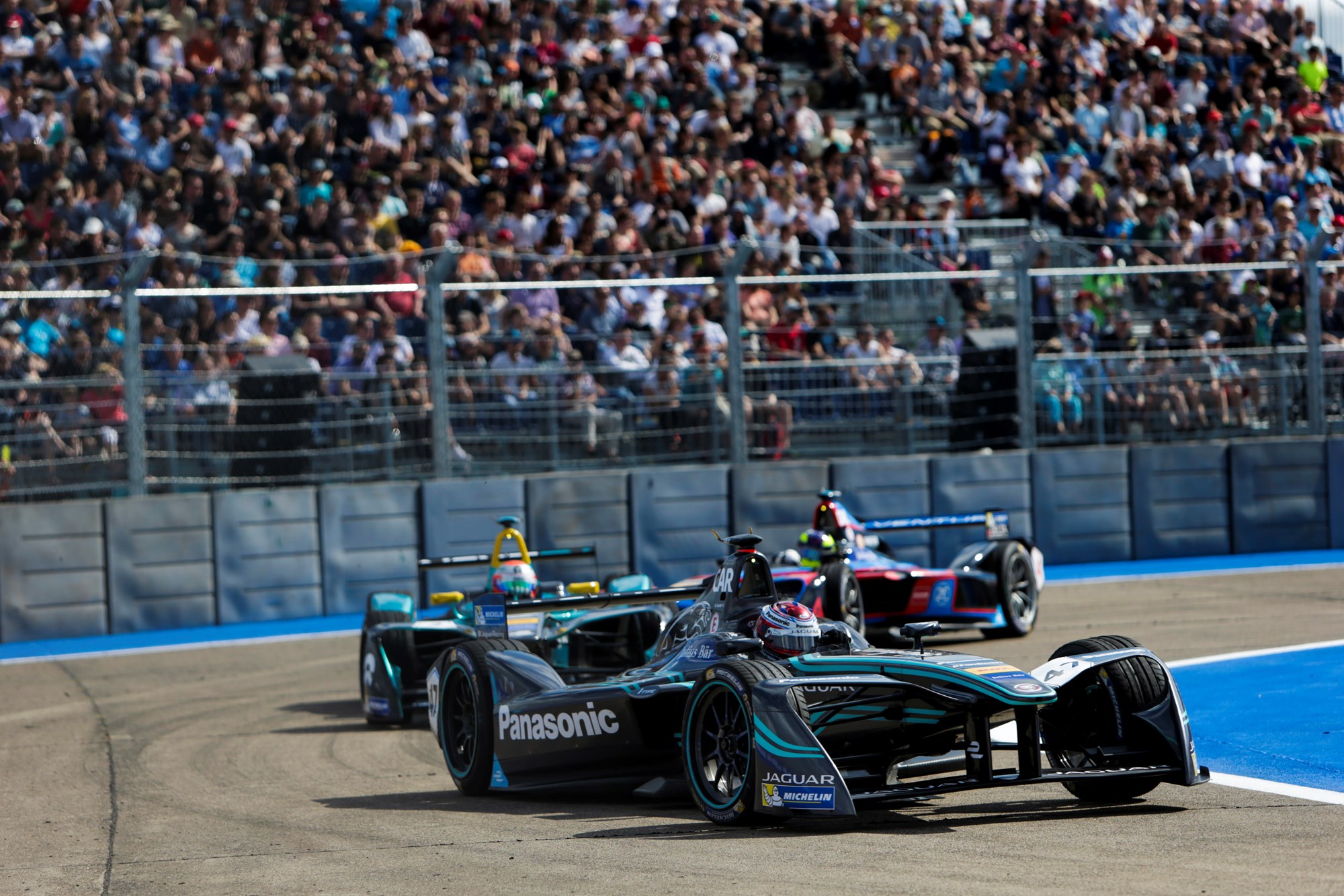
Jaguar recently joined the FIA Formula E series, with Kiwi Mitch Evans one of the drivers. Photo / Getty Images
Singling out diesel – when other factors played a much bigger role in causing pollution – suggested that those who are serious about improving air quality were setting their sights too low and would fail to solve the very issue they claimed to be addressing, he said.
Mr Hicks said calling it the ‘diesel debate’ was a misnomer.
“What we have had so far hasn’t been a debate – more of a diatribe or at best a monologue,” he said.
The British Medical Journal has highlighted how particulates from diesel increase the risk of lung problems, strokes, heart attacks, cancer and even Alzheimer’s disease.
But Mr Hicks noted that another recent article suggested that domestic wood burning stoves accounted for 17 per cent of total UK particulate emissions in 2013 – only marginally less than the 18 per cent from all road transport.

The Jaguar I-Pace EV Concept. Photo / Getty Images
Mr Hicks said: “I don’t want to stereotype, but I can imagine the well-intentioned London dweller deciding against buying a diesel car for environmental reasons as they sling another log into the wood-burning stove thinking they are returning to nature.
“They are not. They are doing harm. Oblivious to what they are doing.
“To say that banning diesel cars alone will solve our air quality problems is like saying you could end alcoholism by just banning beer. There are other sources of both problems.”
In the last decade, Mr Hicks said, JLR had cut carbon dioxide emissions from its vehicles by a third.
“We all know the reason why there was a shift to diesel and why the then government encouraged it – indeed, incentivised it,” he said.
“It was to ensure the automotive industry played its part in preventing global warming.
“We have. This is an industry as invested in our environment as anyone else.
“But looking back at some of the abuse the automotive industry is getting for that diesel policy – and the then-government which introduced it in 1998 – it may demonize diesel but it does not actually address the problem we are trying to solve.”
- Daily Mail