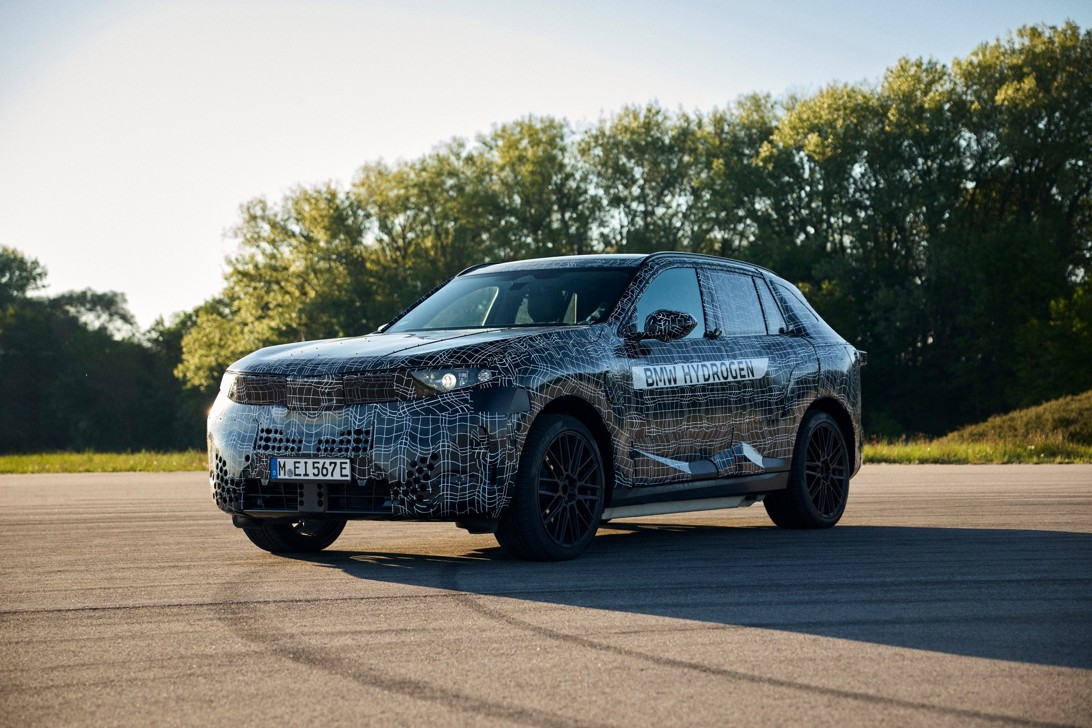



- BMW iX5 Hydrogen gains new flat tank system enabling up to 750km range.
- Seven high-pressure tanks store around 7kg hydrogen with sub-5-minute refuelling.
- Flexible platform supports hydrogen alongside EV, hybrid and ICE variants.
BMW is doubling down on hydrogen, and this time, it’s solving one of the biggest challenges: where to put it.
The latest development in the iX5 Hydrogen introduces a completely new storage concept, allowing the SUV to travel up to 750km on a full tank while preserving interior space.
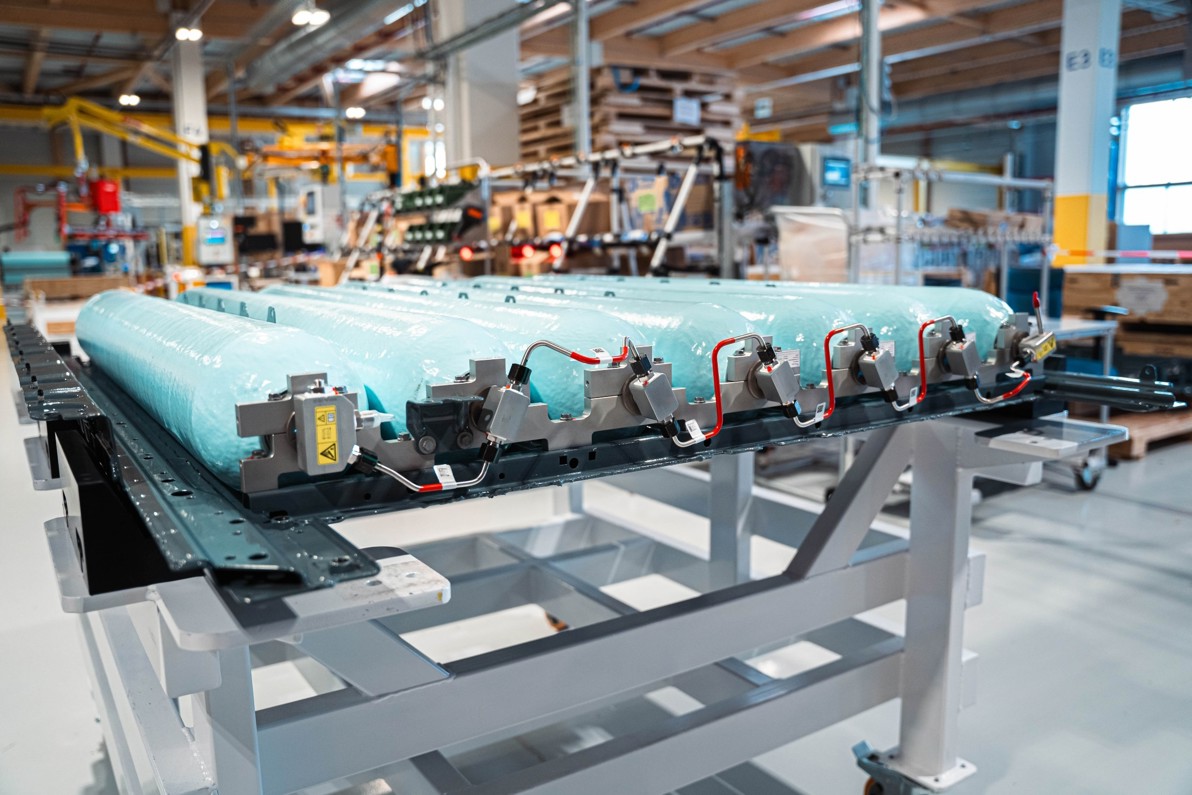
Instead of traditional cylindrical tanks, BMW has created a “flat” hydrogen storage system that fits more neatly within the vehicle’s structure, without compromising cabin or luggage room.
Think Tetris, but engineering
BMW’s own description is telling.
Board member Joachim Post likens the packaging to “installation Tetris”, a system designed to maximise efficiency within tight spatial constraints.
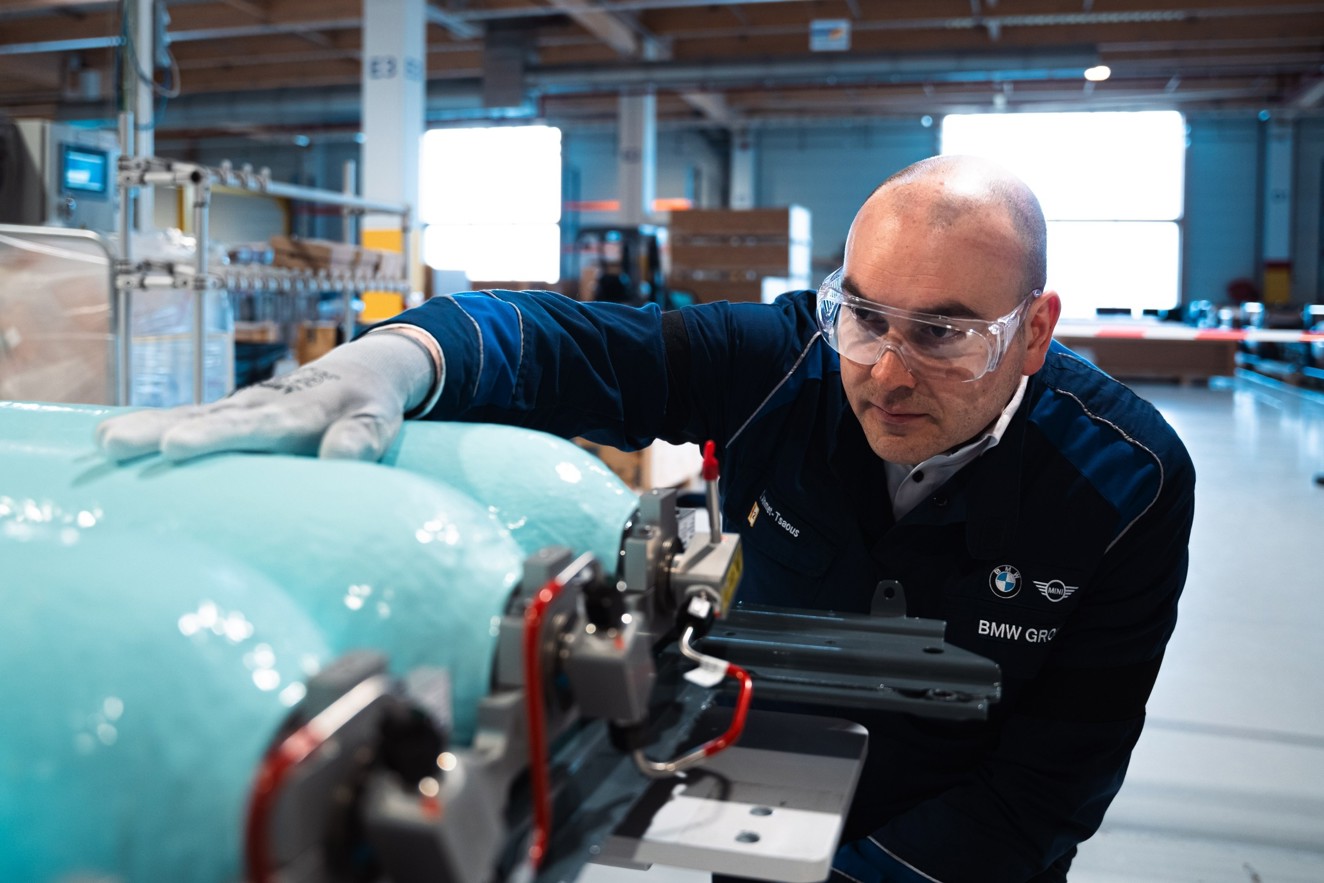
The setup uses seven interconnected high-pressure tanks made from carbon-fibre reinforced composite, arranged into a single integrated unit. Controlled by a central valve, the system stores at least seven kilograms of hydrogen and can be refuelled in under five minutes.
Beyond range, safety is also part of the equation. The tanks are protected by the vehicle’s structure and operate at 700 bar pressure, aligning with current hydrogen standards.
Built to fit everything
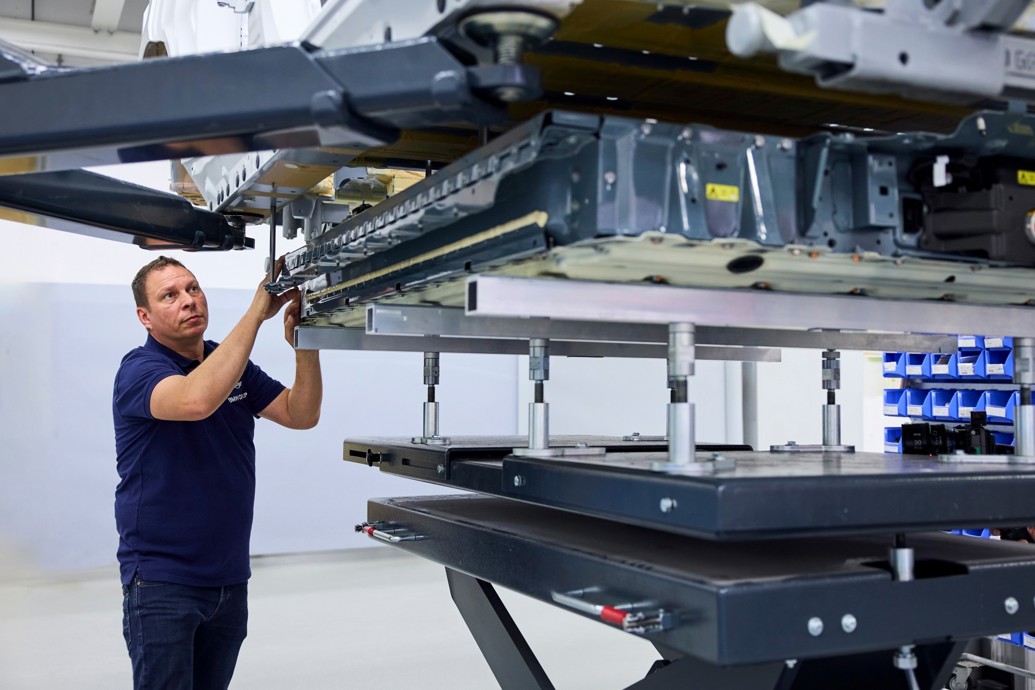
Perhaps the more strategic shift lies in how the iX5 Hydrogen is built.
BMW’s flexible platform allows five different powertrains, ranging from internal combustion and plug-in hybrid to battery-electric and hydrogen fuel cell, to be produced on the same line.
That’s significant. It means hydrogen doesn’t require a separate production ecosystem, making it easier to scale if demand grows.
The hydrogen system itself pairs a fuel cell with a high-voltage battery and BMW’s latest drivetrain control software, aiming to deliver the brand’s familiar driving feel, just without the emissions at the tailpipe.
A longer game for hydrogen
BMW isn’t positioning hydrogen as a replacement for battery EVs, but as part of a broader, “technology-open” strategy. The idea is to offer multiple solutions depending on use case, infrastructure and customer needs.
Production of the iX5 Hydrogen is expected to scale within BMW’s wider manufacturing network by 2028.
It’s still early days, but with faster refuelling and longer range now firmly in sight, hydrogen is starting to look less like a niche experiment and more like a serious piece of the future mobility puzzle.