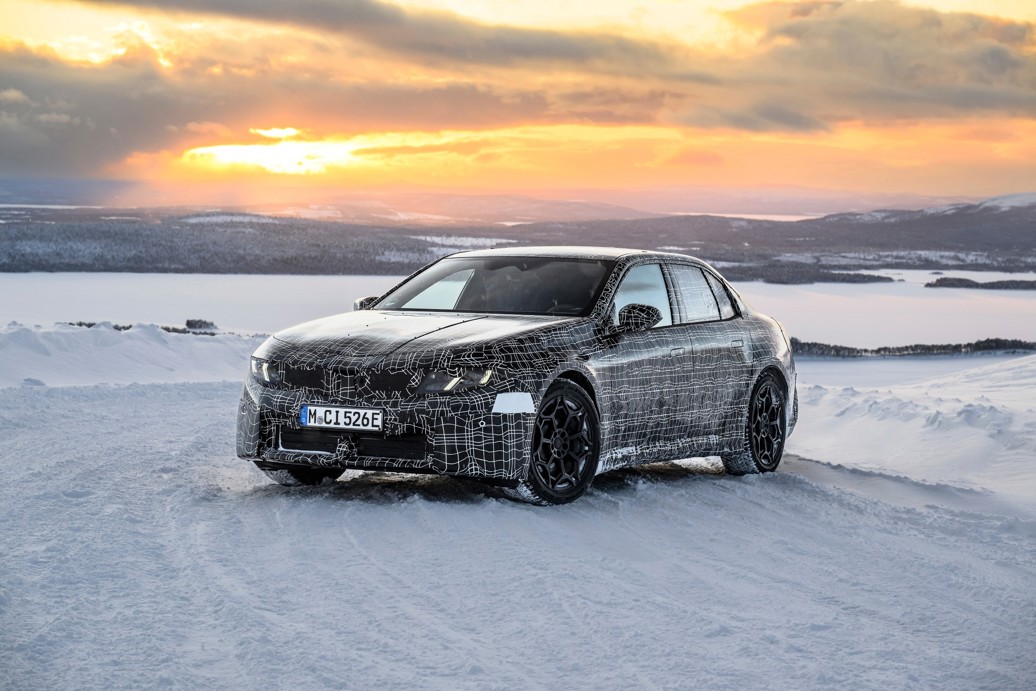



- BMW is winter-testing the upcoming electric i3 sedan at its Arjeplog facility in northern Sweden.
- The Neue Klasse i3 uses sixth-generation eDrive with 800V architecture, up to 400kW charging.
- A prototype i3 50 xDrive produces up to 345kW/645Nm from dual motors.
BMW’s upcoming electric i3 sedan is undergoing final winter testing near the Arctic Circle, as engineers fine-tune the brand’s next-generation dynamics systems ahead of the model’s design debut later this month.
Prototypes of the Neue Klasse-based i3 are currently being evaluated at BMW’s long-running winter test centre in Arjeplog, Sweden. The company says the sedan will have its design premiere on March 18, 2026, marking the first look at the fully electric replacement for the long-running 3 Series formula.
Arctic proving ground
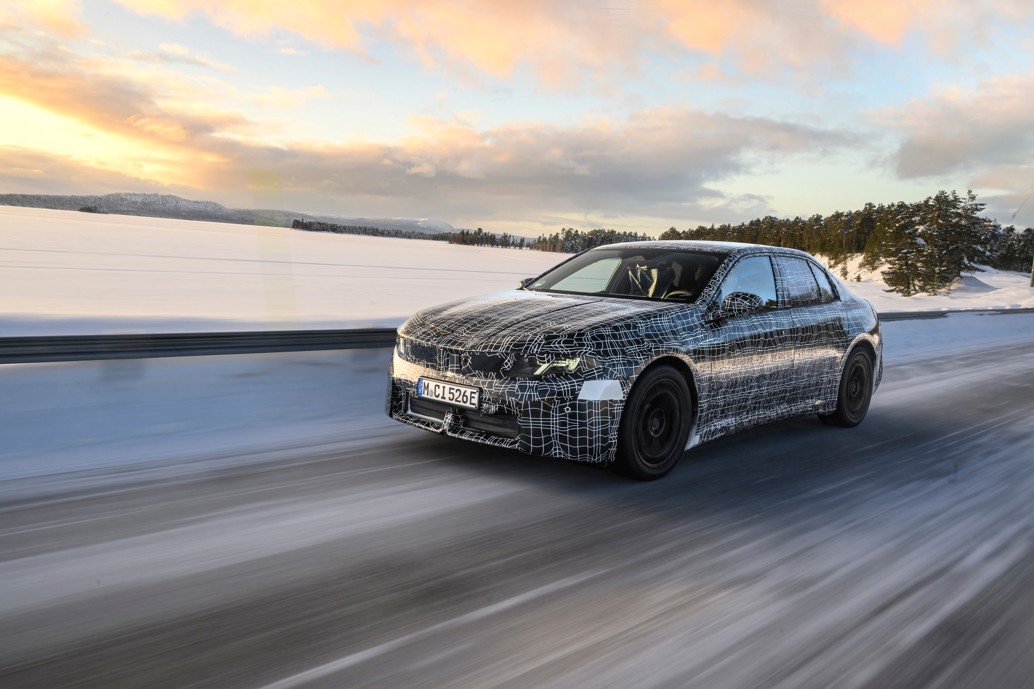
BMW has long relied on the snow-covered roads and frozen lakes around Arjeplog to validate chassis and drivetrain behaviour in extremely low-grip conditions.
The slippery surfaces allow engineers to precisely analyse how braking, traction and stability systems interact, while also testing how vehicles behave at the limits of grip.
For the i3 prototypes, the work is focused heavily on calibrating the control software that will underpin BMW’s next generation of electric driving dynamics.
Heart of Joy fine-tuning
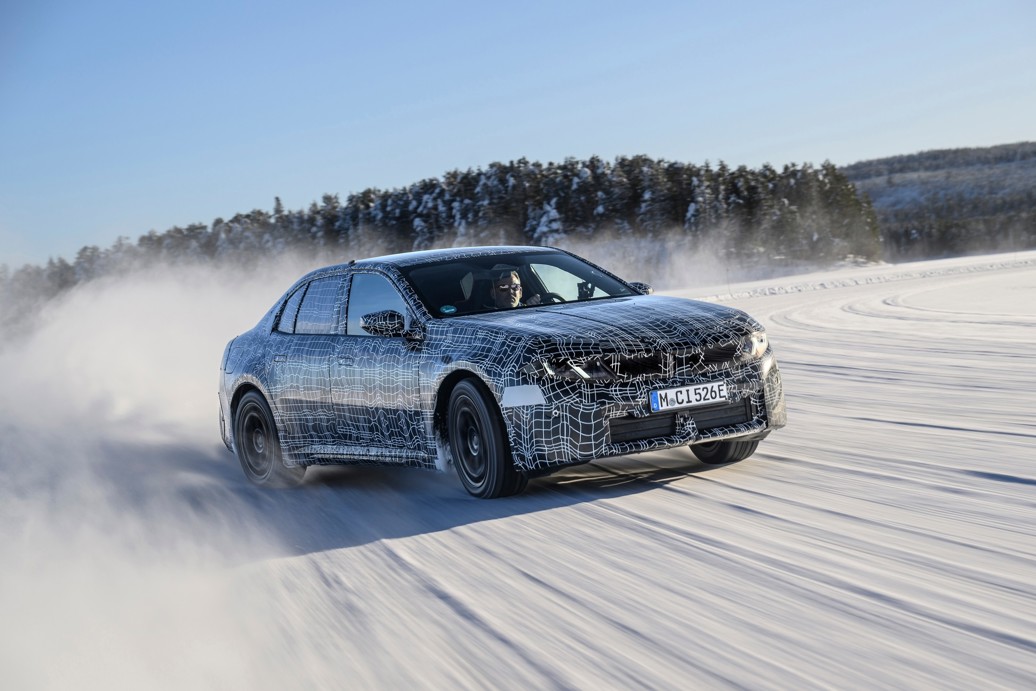
Central to that effort is BMW’s “Heart of Joy” control unit, a key component of the Neue Klasse architecture that integrates drivetrain and vehicle dynamics management into a single system.
Working alongside BMW’s in-house Dynamic Performance Control software, the unit manages functions including power delivery, braking, steering inputs and regenerative braking. BMW says the system responds ten times faster than previous setups that relied on separate control algorithms.
The result, according to the company, is more precise handling and smoother vehicle responses, even on slippery surfaces.
Engineers also say the system can optimise energy recuperation during driving, including when cornering, improving efficiency without compromising stability.
Early technical picture
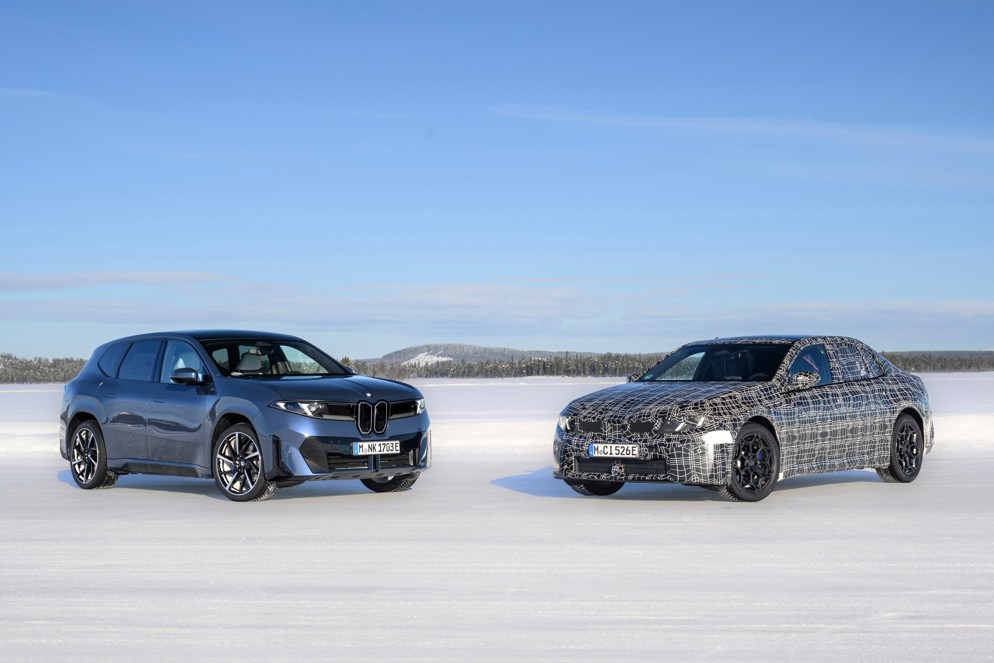
BMW has confirmed that the i3 will use the brand’s sixth-generation eDrive system, operating on an 800V electrical architecture capable of peak charging rates of up to 400kW.
A prototype i3 50 xDrive variant combines electric motors on both axles using EESM and ASM technologies, producing up to 345kW and 645Nm.
While those figures remain provisional, BMW says the production version will enter manufacturing in the second half of 2026, becoming only the second model built on the Neue Klasse platform, after the iX3.
With final development now pushing toward completion, the Arctic tests suggest BMW’s next-generation electric sedan is nearing the finish line.