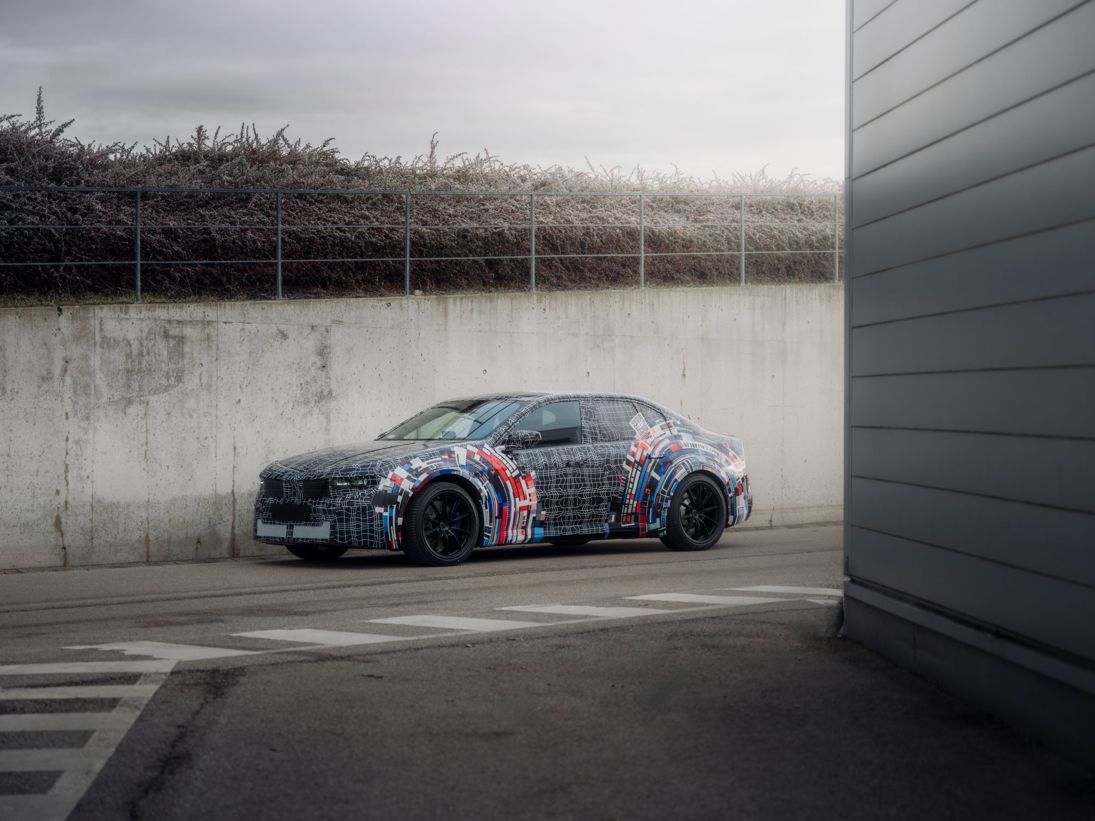



- BMW M will launch fully electric Neue Klasse performance models from 2027.
- BMW M eDrive uses four electric motors, one per wheel, with front axle decoupling capability.
- The 800V battery offers over 100kWh usable energy and increased charging capacity.
BMW M has confirmed its next era of high-performance cars will be fully electric, with the first M-badged models based on the Neue Klasse architecture arriving from 2027.
And no, this isn’t a polite toe-dip into electrification. BMW M is swinging hard, promising its most powerful and dynamically capable road cars yet.
Four motors, one very clear intent
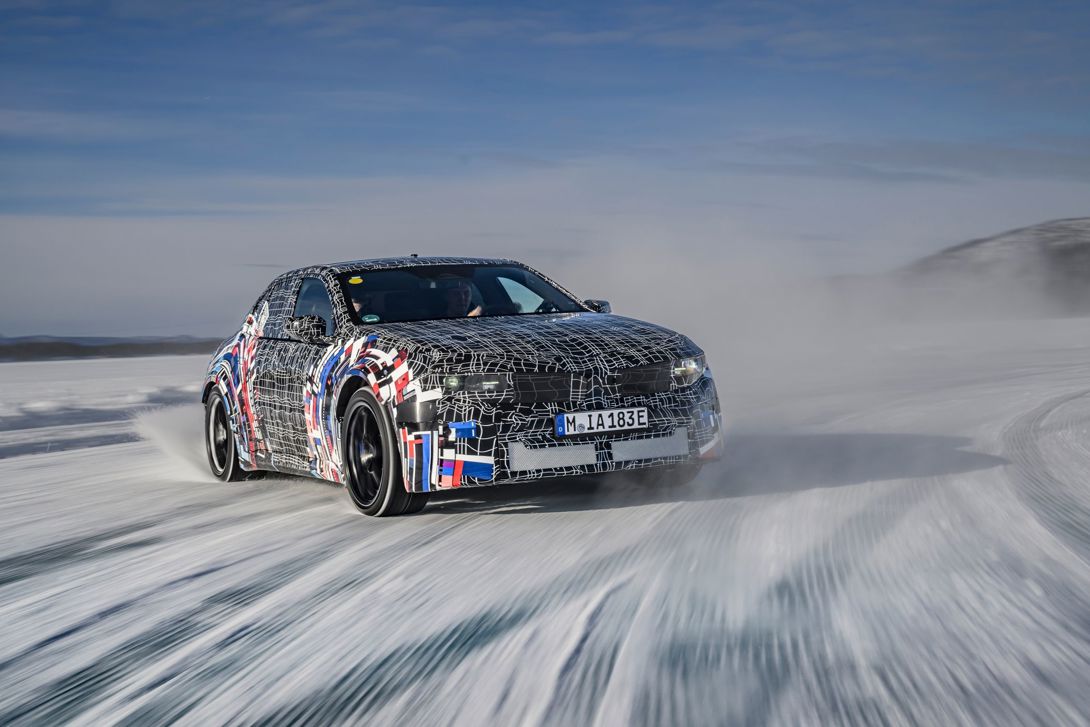
At the heart of the upcoming BMW M Neue Klasse models is a radical new drivetrain layout: four electric motors, one driving each wheel. Known as BMW M eDrive, the system is paired with bespoke control software called the “Heart of Joy”, which oversees torque delivery, traction and stability with millisecond precision.
The result is what BMW M calls Integrated Dynamic Performance Control, essentially the ability to vary power at each wheel independently, blending the benefits of rear-wheel drive and all-wheel drive in one system.
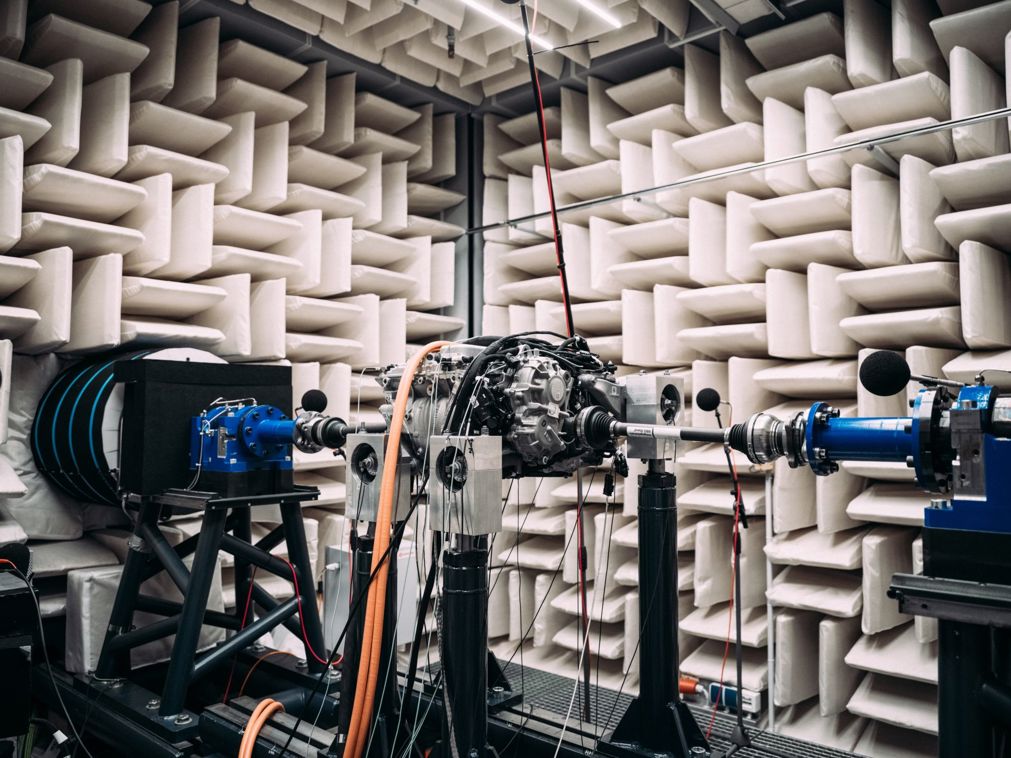
For efficiency-focused driving, the front axle can even be completely decoupled, reverting the car to rear-wheel drive on longer journeys.
Franciscus van Meel, Managing Director of BMW M GmbH, says the new models will “establish a new benchmark in the high-performance vehicle segment”, adding that the aim is racetrack-ready dynamics without sacrificing everyday usability.
Big battery, bigger ambitions
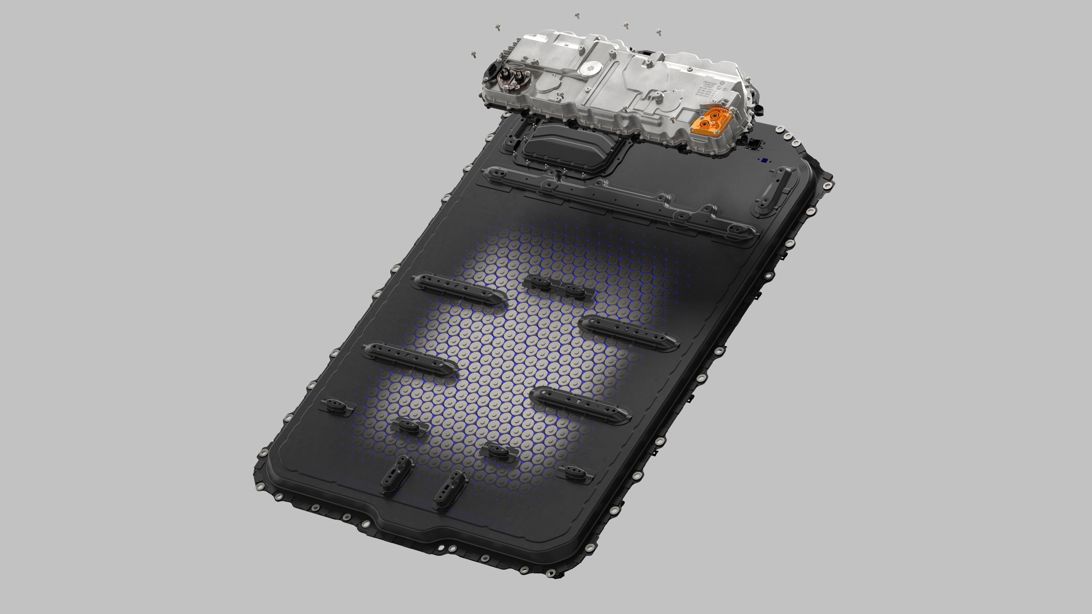
Powering the system is a performance-focused high-voltage battery with more than 100kWh of usable energy. Built around BMW’s Gen6 cylindrical cell technology, it operates on an 800V electrical architecture, enabling faster charging and higher sustained output.
BMW says the battery has been engineered using a “Design to Power” approach, with enhanced cooling and an external Energy Master control unit designed to handle repeated high-load driving, including track use.
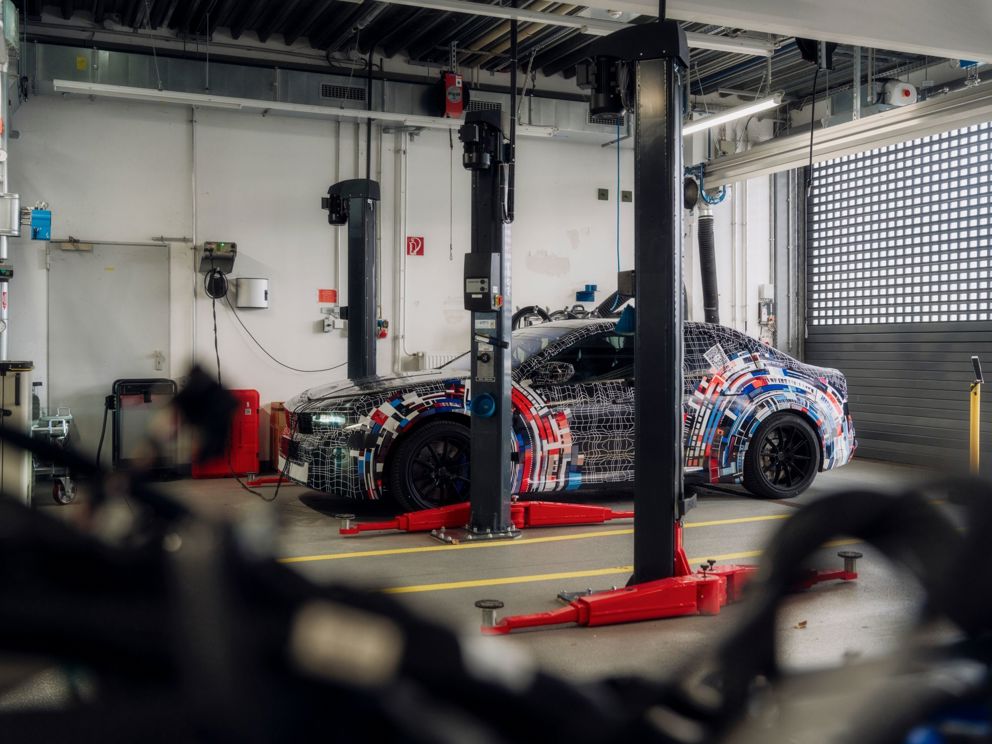
High recuperation capability also plays a role, allowing aggressive energy recovery under braking without dulling driver involvement.
The battery housing doubles as a structural element, connecting the front and rear axles and increasing overall chassis stiffness - a detail M engineers clearly care about.
Lighter thinking, louder signals
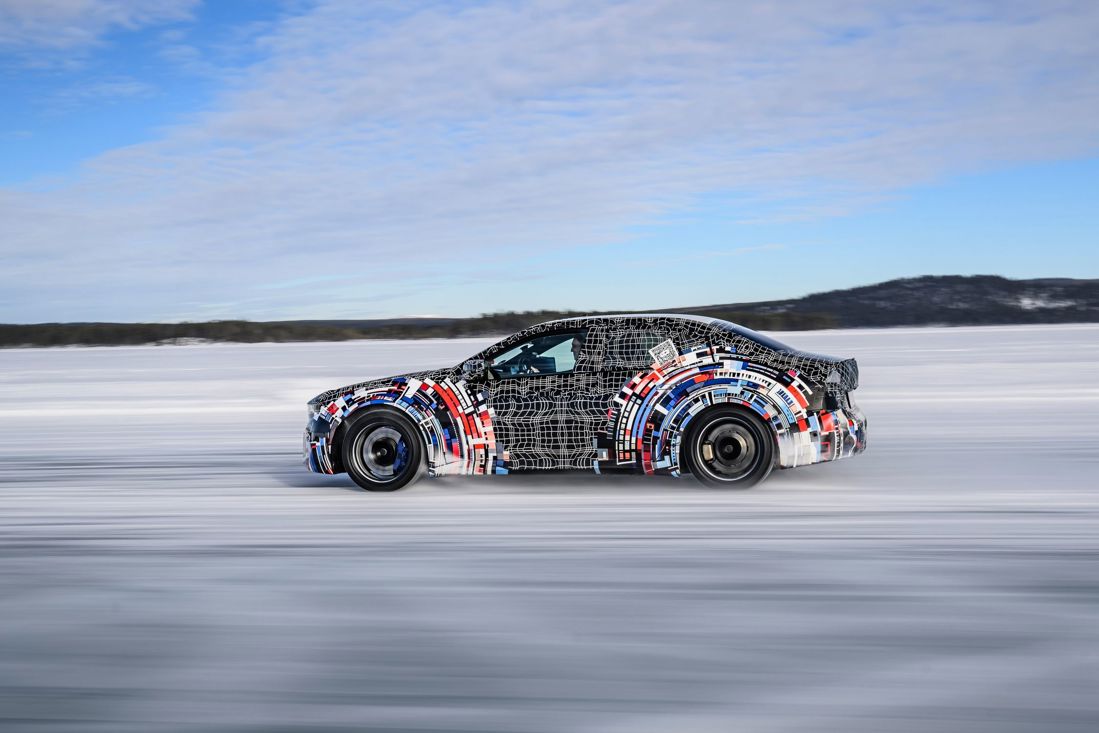
Weight hasn’t been ignored, either. BMW M will introduce natural fibre composite components for the first time in its electric performance models. Developed through motorsport experience dating back to 2019, the material offers carbon-fibre-like strength with roughly 40% lower CO₂e emissions.
BMW hasn’t disclosed final power outputs, acceleration figures or which body styles will wear the first M Neue Klasse badge. DRIVEN Car Guide understands those details are still under wraps.
What is clear is intent. BMW M isn’t trying to make electric cars feel like old M cars. It’s rewriting the rulebook entirely, with software, structure and electrons doing the heavy lifting. The purists may grumble. The stopwatch probably won’t.