



- Over 18 million BMW 3 Series vehicles have been built worldwide since production began in 1975.
- The BMW 3 Series has been manufactured at 18 plants across 13 countries.
- A fully electric eighth-gen BMW 3 Series will enter production from late 2026.
Few cars can claim to have shaped a brand’s identity quite like the BMW 3 Series.
As it celebrates 50 years of continuous production, the compact executive staple is also chalking up a staggering 18 million units built worldwide, cementing its status as one of the most influential model lines in modern automotive history.
Since the first examples rolled out of Munich in 1975, the 3 Series has quietly become the backbone of BMW’s global manufacturing operation, and, increasingly, its test bed for the future.
Born in Munich, built for the world
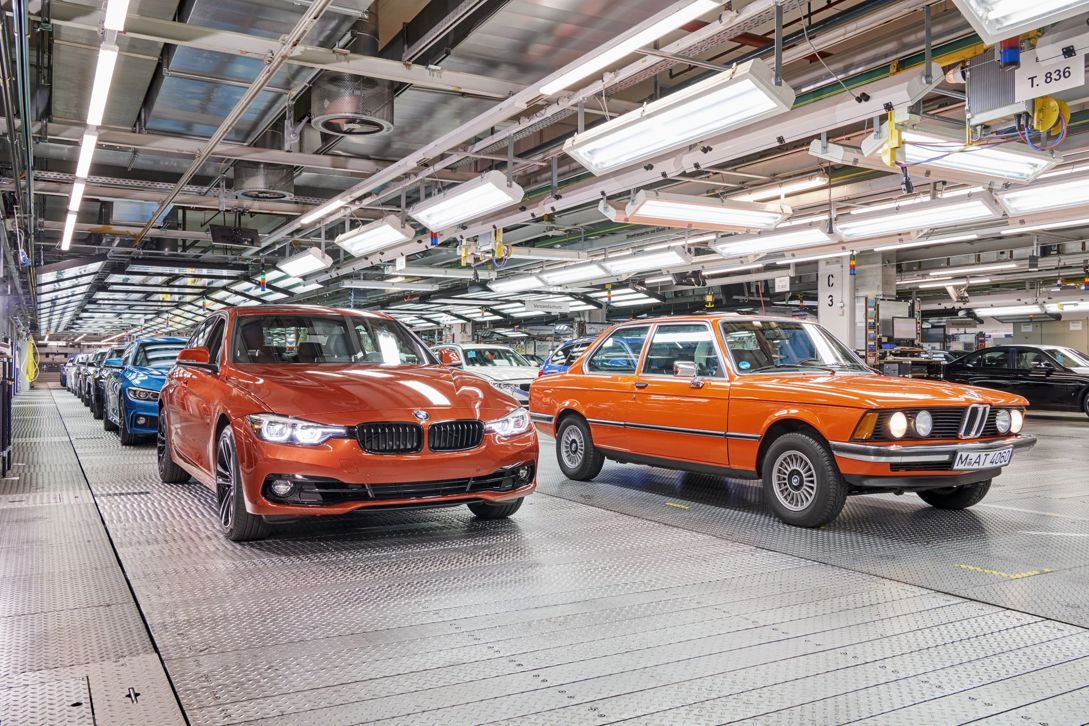
Production of the original 3 Series began at BMW Group Plant Munich, which remains the model’s spiritual home.
From early on, the factory became a proving ground for flexible manufacturing, adopting overhead conveyor systems and programmable welding machines well ahead of industry norms.
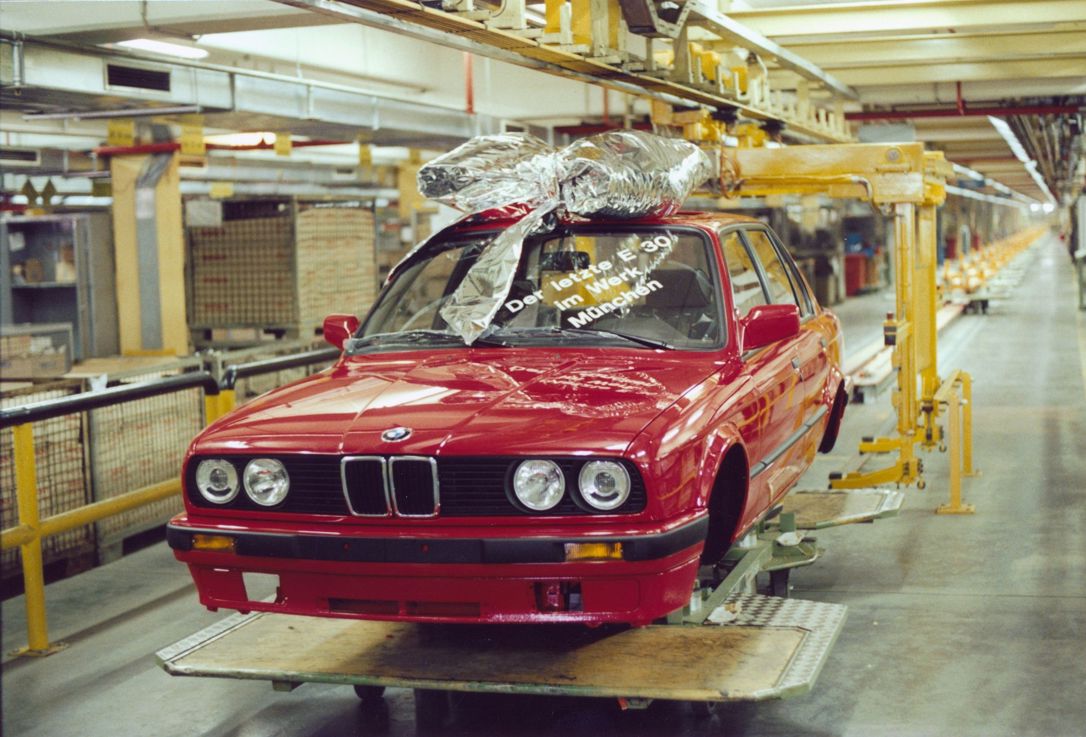
By 1982, BMW had introduced a fully automated body shop for the second-generation 3 Series, achieving an automation rate exceeding 90% - a major leap at the time. That appetite for innovation has continued through to today, with AI-supported quality systems and advanced digitalisation now embedded into daily operations.
As demand grew, so did the footprint. Production expanded to Dingolfing in 1980 and Regensburg in 1986, before the 3 Series spearheaded BMW’s move onto the global stage.
The model that built the network
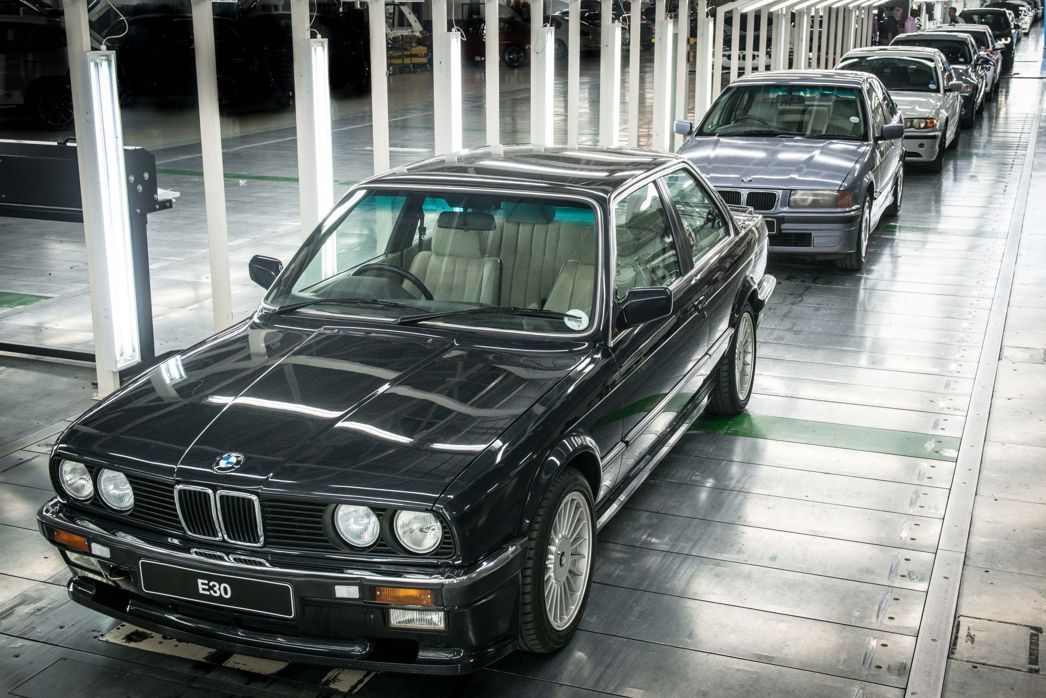
Few cars have done more heavy lifting for a manufacturer’s international growth. The 3 Series played a central role in launching production at key sites including Rosslyn in South Africa, Spartanburg in the United States, Leipzig in Germany and San Luis Potosí in Mexico, as well as BMW’s joint venture operations in China.
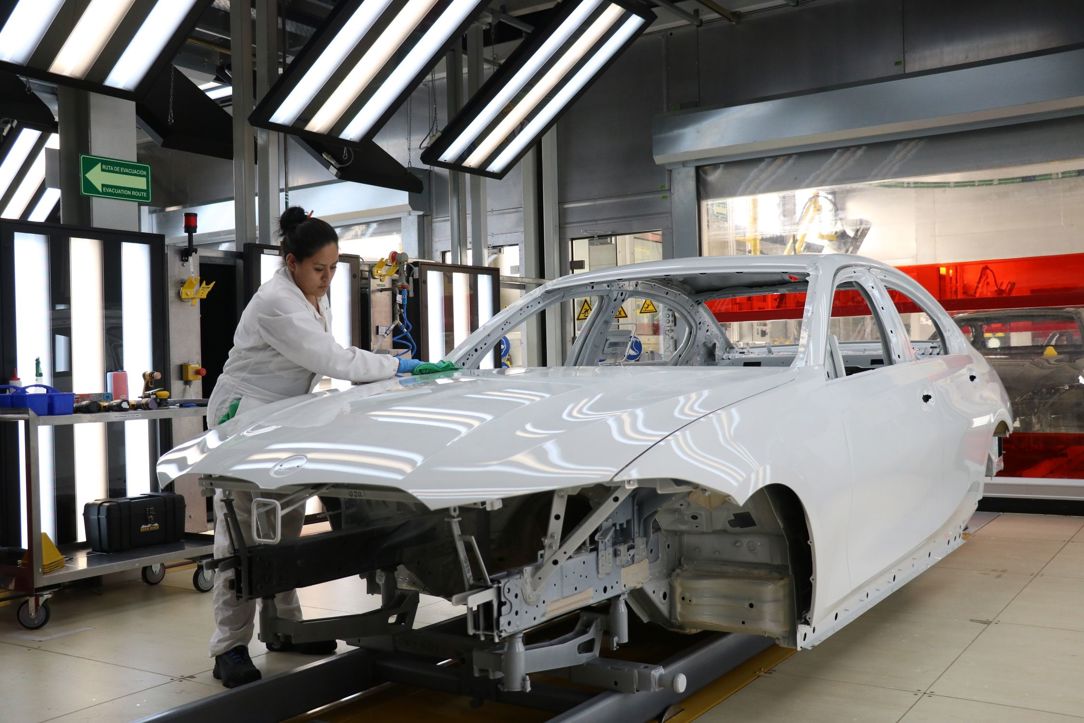
In most cases, the 3 Series was the first model to roll off the line at new plants, with the exception being the upcoming Debrecen facility. Its adaptability has been crucial, with sedans, Tourings, convertibles and high-performance M variants all produced across different regions.
Just as importantly, BMW has used the 3 Series to master mixed drivetrains on a single assembly line. Internal combustion, plug-in hybrid and fully electric versions have all been built side by side, long before such flexibility became fashionable.
Seven generations and counting
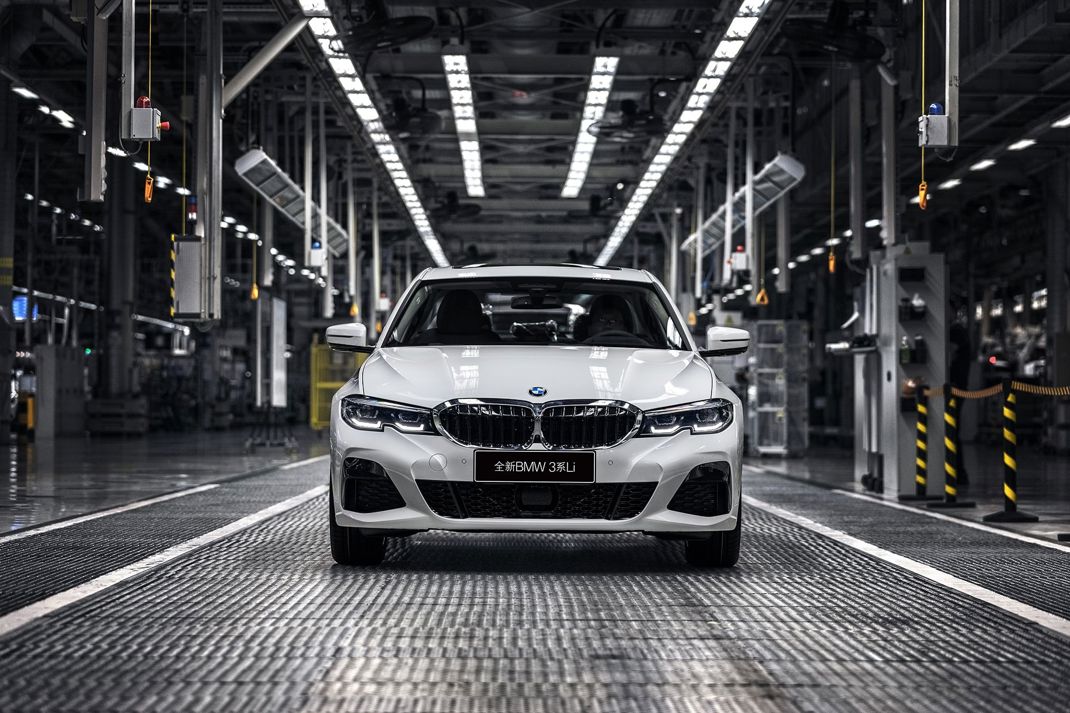
The current, seventh-generation 3 Series is produced in Munich, China and Mexico, alongside regional assembly in markets such as India, Thailand and Brazil. But BMW is already looking ahead.
Preparations are underway for the eighth-generation 3 Series, including a fully electric version that will begin production in Munich from the second half of 2026 as part of the brand’s Neue Klasse programme. Production will later expand to China and Mexico, with a planned return of the 3 Series to Dingolfing as well.
After five decades, the formula remains deceptively simple: build it well, build it everywhere, and keep evolving.


