



Bigger wheels, panoramic roofs, battery packs the size of a mattress: modern cars are heavier than ever.
Blame safety tech, creature comforts and electrification. But kerb weight isn’t just a number buried in a spec sheet. It shapes how your car accelerates, stops, corners, sips fuel and even how long its tyres last.
If you’ve never paid attention to weight before, here’s why it deserves a closer look.
It’s not just bragging rights

Yes, weight plays a starring role in acceleration. Newton’s second law (force equals mass times acceleration) tells us that the heavier the object, the more force you need to move it. In car terms, that means a heavier vehicle needs more power to achieve the same shove down the road.
That’s why a lightweight hatch with 110kW can feel lively, while a two-tonne SUV might need 180kW or more just to feel adequate. Electric cars complicate things slightly. Their instant torque masks weight off the line, so a heavy EV can feel punchy. But physics still applies: once you’re at speed, mass matters.
The power-to-weight ratio (how many kW are moving each kilogram) is often a better performance indicator than raw power alone. It explains why some modestly powered cars feel sharper than heavier rivals boasting bigger numbers.
Braking and cornering: where weight really shows
Acceleration is only half the story. Every kilogram you add must also be slowed down. Heavier cars generate more kinetic energy at a given speed, which puts extra demand on brakes. That’s why large SUVs and EVs tend to run bigger brake discs and multi-piston calipers.
Even then, you may notice heavier vehicles feel less eager to stop quickly in repeated hard-braking situations, such as descending a long hill. Heat builds up faster because there’s simply more mass to rein in.
Cornering tells a similar tale. Extra weight increases inertia, or the tendency of an object to resist changes in direction. In plain English: heavier cars don’t like being flicked left and right. Engineers counter this with stiffer suspension and wider tyres, but that can affect ride comfort.
A lighter car, by contrast, often feels more agile and communicative. There’s less mass shifting around, so steering inputs translate more directly into movement. It’s why small, lightweight cars can feel engaging at legal speeds, while heavier machines may only come alive when pushed harder.
Fuel, tyres and real-world costs
Weight also hits your wallet.
More mass means the engine (or electric motor) must work harder during acceleration and on hills. That typically translates into higher fuel consumption. Two vehicles with similar engines, say, a 2.0-litre turbo producing 150kW, can return noticeably different economy figures if one carries an extra 200kg.
EVs are affected too. Heavier battery packs increase driving range potential, but they also increase consumption per kilometre. There’s a balancing act between range and efficiency, and weight sits right at the centre of it.
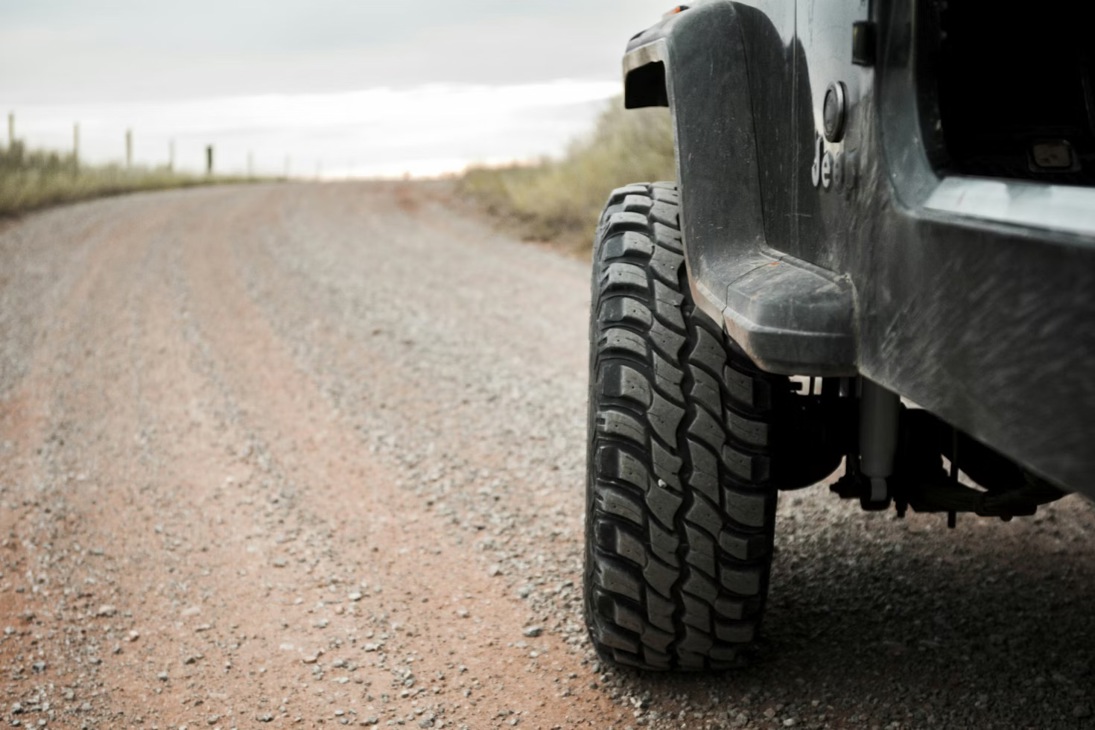
Tyre wear is another often overlooked factor. Heavier cars place more load on tyres, particularly during cornering and braking. That can mean shorter replacement intervals, especially on performance-oriented rubber. Add larger wheel sizes, now common on SUVs and EVs, and replacement costs can climb quickly.
Suspension components also take more punishment in heavier vehicles. Bushings, dampers and even wheel bearings are working harder over time.
Why cars keep getting heavier
If lighter is better in so many ways, why aren’t all cars shedding kilos?
Safety is a big reason. Modern vehicles are packed with airbags, reinforced structures and advanced driver-assistance systems. These save lives, but they add mass. Comfort features like electric seats, sound insulation, larger infotainment systems, also contribute.
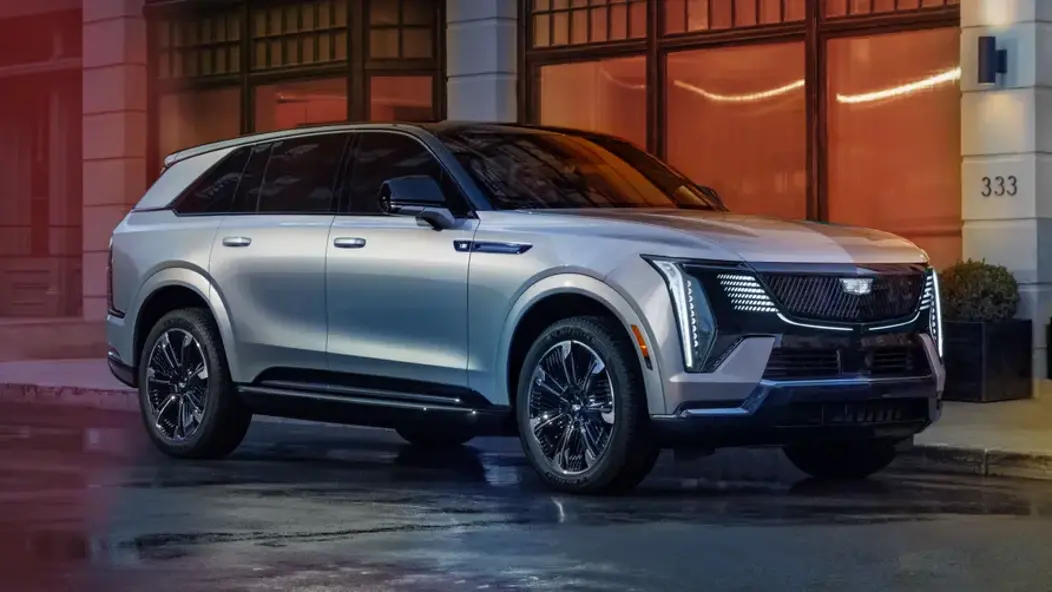
Electrification has had the biggest impact. Battery packs are heavy. Even a relatively modest EV can tip the scales well above an equivalent petrol model.
Manufacturers offset this with aluminium panels, high-strength steels and clever engineering. But for buyers, the takeaway is simple: weight is a key part of the character of any vehicle.
Next time you’re comparing models, don’t just scan the kW figure or 0 to 100km/h time. Look at kerb weight. It will tell you a lot about how the car will feel, how much it might cost to run, and how it behaves when the road gets interesting.
Because in the end, every drive is a conversation between power and mass, and mass always has a say.