



You come back to your car and spot it straight away, a fresh dent, a scuffed bumper, maybe a cracked light. No note, no witnesses, just damage that wasn’t there before.
It’s a common scenario, but what you do in the next few minutes can shape how easy or expensive the fix becomes. Here's what you should do if your vehicle is damaged in a car park.
Don’t rush off, assess the damage properly
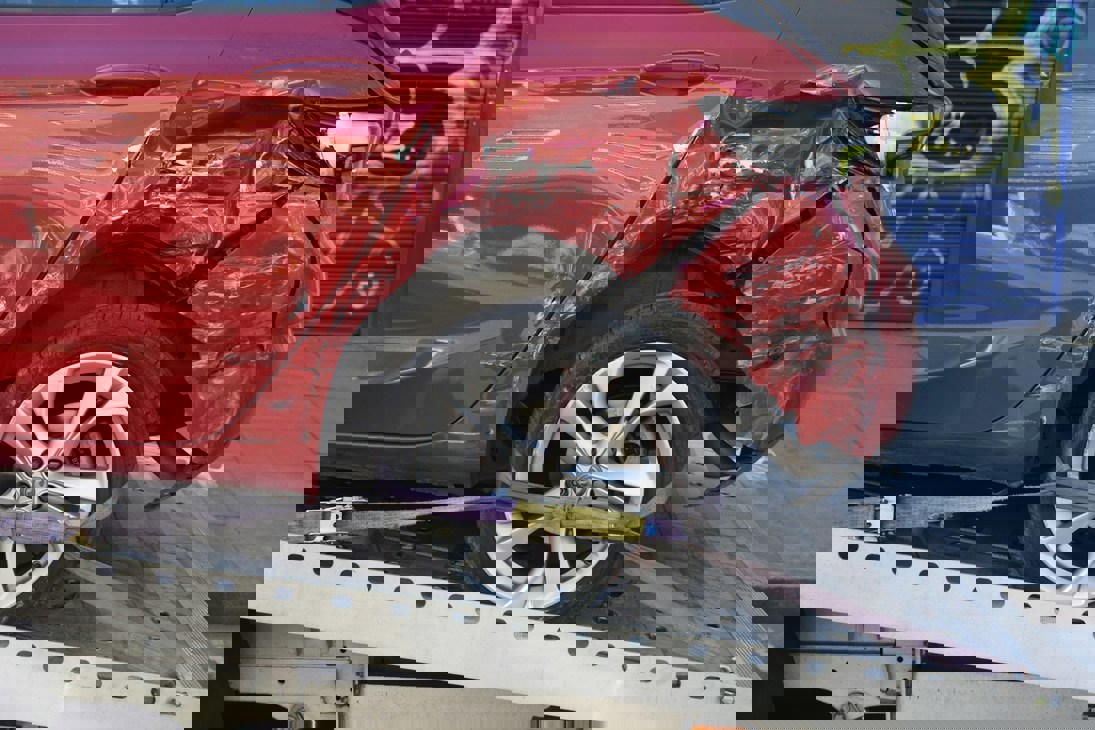
Before you jump back in and drive away, take a proper look. What seems like a light scrape can hide more serious issues, especially on newer vehicles packed with sensors behind bumpers and panels.
Start by checking for panel misalignment, cracks near lights or cameras, fluid leaks, or loose trim. If the impact was low, also look closely at the wheels and tyres. If anything appears structural or safety-related, it’s worth holding off on driving until you’re confident the car is roadworthy. A minor knock can escalate quickly if something underneath has shifted.
Document everything while you’re there
This is where a lot of people slip up. Treat the scene like it matters, because it does.
Take clear photos of the damage from multiple angles, along with wider shots showing your car’s position in the park. Capture nearby vehicles, how close they are, and any paint marks or debris left behind that might point to the other car.
Then scan the area. Many car parks, especially at malls and office buildings, have CCTV coverage. Make a note of camera positions and the time you discovered the damage. Footage is often overwritten within days, so acting quickly improves your chances.
Have a look around for anyone nearby who might have seen something. Even a vague recollection can help. And don’t assume there’s no note, check carefully. They’re often tucked under wipers or caught in door seals.
Decide your next move: report, repair, or claim
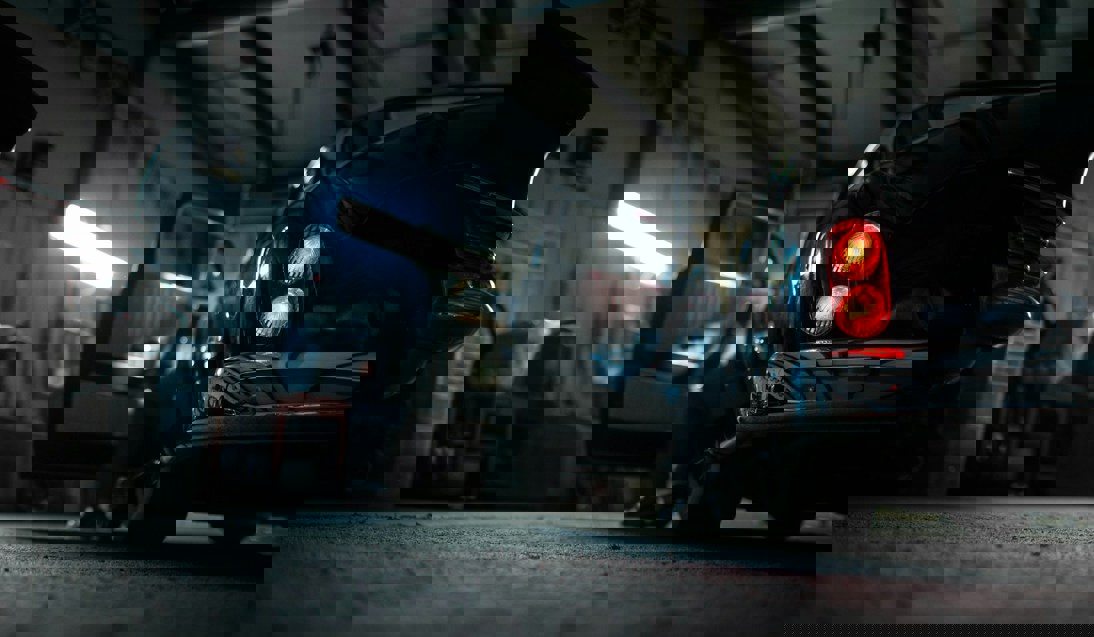
If the other driver is still there, keep things simple. Exchange contact details, licences, registration numbers, and insurance information, then take photos of both vehicles before moving on.
If it’s a hit-and-run, report it to the property owner or car park operator. They may be able to log the incident or review camera footage. For more serious damage, notifying Police is also an option, particularly if there’s a pattern of similar incidents.
Next comes the practical decision, whether to go through insurance or handle it yourself.
Compare the repair cost with your excess. If the damage is minor, paying out of pocket can often be simpler and avoids affecting your no-claims bonus. Small scuffs and dents can sometimes be fixed quickly without a full respray, but newer cars with embedded sensors may require additional work, which increases costs.
If you choose to claim, report it promptly and provide all your photos and notes. The more detail you have, the smoother the process tends to be.
A quick preventative note, parking further from busy areas, avoiding tight spaces next to larger vehicles, and choosing well-lit spots won’t eliminate risk, but they can reduce the chances of it happening again.
Bottom line: you can’t control what happens when your car’s parked, but you can control how you respond. Stay methodical, gather solid evidence, and make a clear-headed call on repairs. It’s the difference between a minor hassle and a drawn-out headache.