



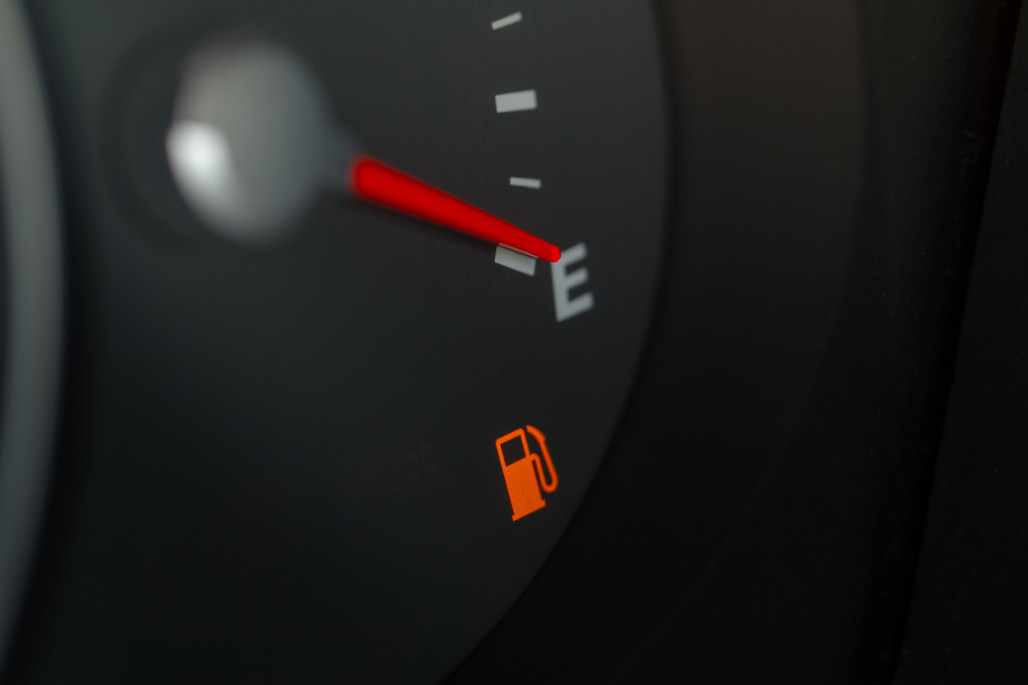
One question has haunted mankind since the invention of the car: exactly how far can you drive once the low fuel light comes on? Sadly, there is no universal answer to this question, and the distance you can continue driving after the warning light illuminates depends on several key factors:
- Vehicle efficiency: The fuel consumption rate of your car plays a crucial role.
- Driving style and conditions: Aggressive driving or traveling in traffic-heavy areas will shorten the distance, while smoother driving on open roads can extend it.
- Vehicle size and type: A large SUV is going to use more fuel than a small, light city car, while diesel and petrol have different consumption rates, while even the size of your fuel tank will play a part.
- Risk Tolerance: How willing you are to push the limits of your fuel reserve.
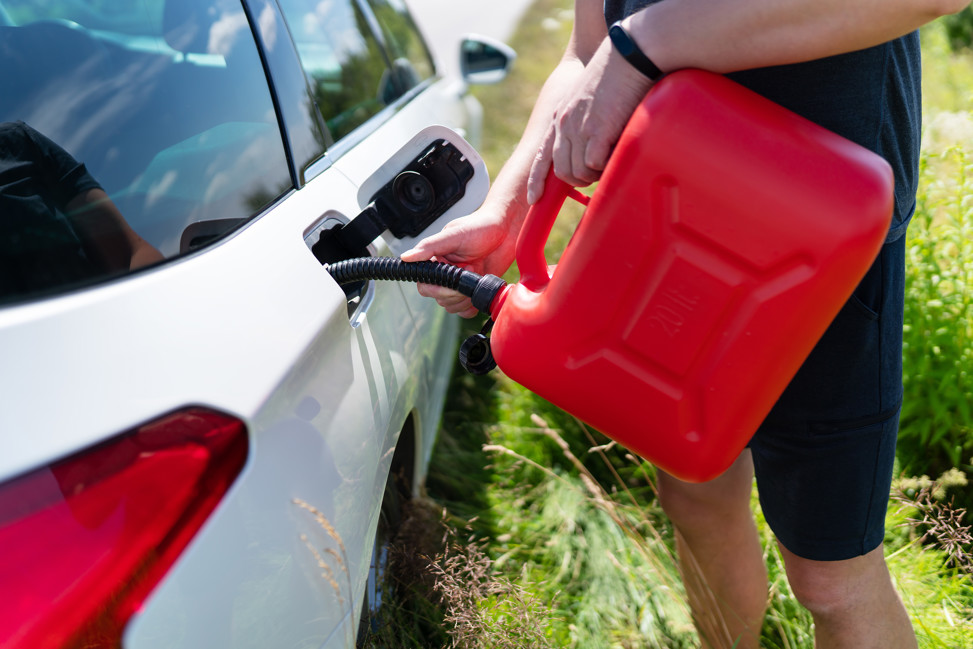
While an exact answer isn't possibly, most drivers can expect to cover between 50 and 100 kilometres after the fuel light comes on under normal conditions. A gentler approach to the throttle can increase this range, potentially lasting until the next opportunity to refuel. On the other hand, aggressive driving may lead to running out of fuel much sooner.
Does the light mean I am going to run out of fuel immediately?
In general, the appearance of the fuel light should not cause immediate alarm, as it doesn't mean the vehicle will abruptly run out of fuel. Car manufacturers almost always design their systems to leave a pretty decent reserve after the warning light appears.
Some manufacturers are more conservative than others, and in certain cases, you may be able to drive well beyond 100 kilometres before refuelling is necessary. However, this depends on how well you know your car and how much risk you are willing to take.
What are those risks?
Running out of fuel in dangerous locations such as motorways or high-speed roads not only puts you at risk, but can also result in fines from law enforcement, as such situations are not only hazardous but also avoidable.
There are also some concerns about driving with low fuel levels, such as the potential for sediment at the bottom of the fuel tank to be drawn into the fuel system. While there is a grain of truth in this, it is largely a misconception as fuel is always drawn from the bottom of the tank, regardless of the fuel level. Modern vehicles also feature effective fuel filters that prevent impurities from reaching critical engine components.
However, regularly allowing your fuel level to drop too low can still damage the vehicle’s fuel system, as electric fuel pumps rely on fuel to cool them, and when the tank is empty, the pump may overheat, leading to premature wear and damage.
For diesel vehicles, running out of fuel poses additional risks as air can enter the fuel injection system, which may require bleeding before the engine will restart. While modern diesel vehicles are generally self-bleeding, older models may not be. Running out of diesel can also damage the fuel injectors, leading to costly repairs.
What’s the best thing to do?
While some drivers may be content to refuel the moment their tank drops below half, and others prefer to push their vehicle to its limits.
While understanding your car and its fuel system can help avoid unnecessary risks, the safest approach is to treat the fuel light as a final warning, not a challenge, and refuel within the next 50 kilometres or so, if possible. And even if you push it on the odd occasion, avoid letting the tank run too low regularly, as damage to the fuel pump is a real possibility.