



If you drive a car or have been conscious for the last couple of weeks, you'll know that the current conflict in the Middle East is driving New Zealand fuel prices up. According to price monitoring website Gaspy, 91 octane has risen by 20% on average since the start of the month.
Suddenly, owners of combustion cars are wishing they could be isolated from the volatility of fossil-fuel pricing. The kneejerk reaction is to think about buying a new hybrid or electric car, which is fine if you're in that cycle of car replacement anyway.
But unless you're going dramatically downwards in vehicle size or age, changing cars will almost certainly cost you thousands in the short term. Which kind of negates the concept of immediate concern about expenses.
The good news is there are things you can do today to dramatically improve the fuel economy of your vehicle. We don't mean stuff like shutting off the air conditioning, which does work but will also make you miserable. We want you to save and be happy.
1. Play games with the trip

Before we look at anything mechanical, let's consider the nut behind the wheel. Driving more smoothly is the obvious place to start, but it's also probably the hardest to achieve because you might have to break all kinds of bad habits.
Don't accelerate hard, don't brake hard, try to read the road ahead and keep momentum. All the usual stuff.
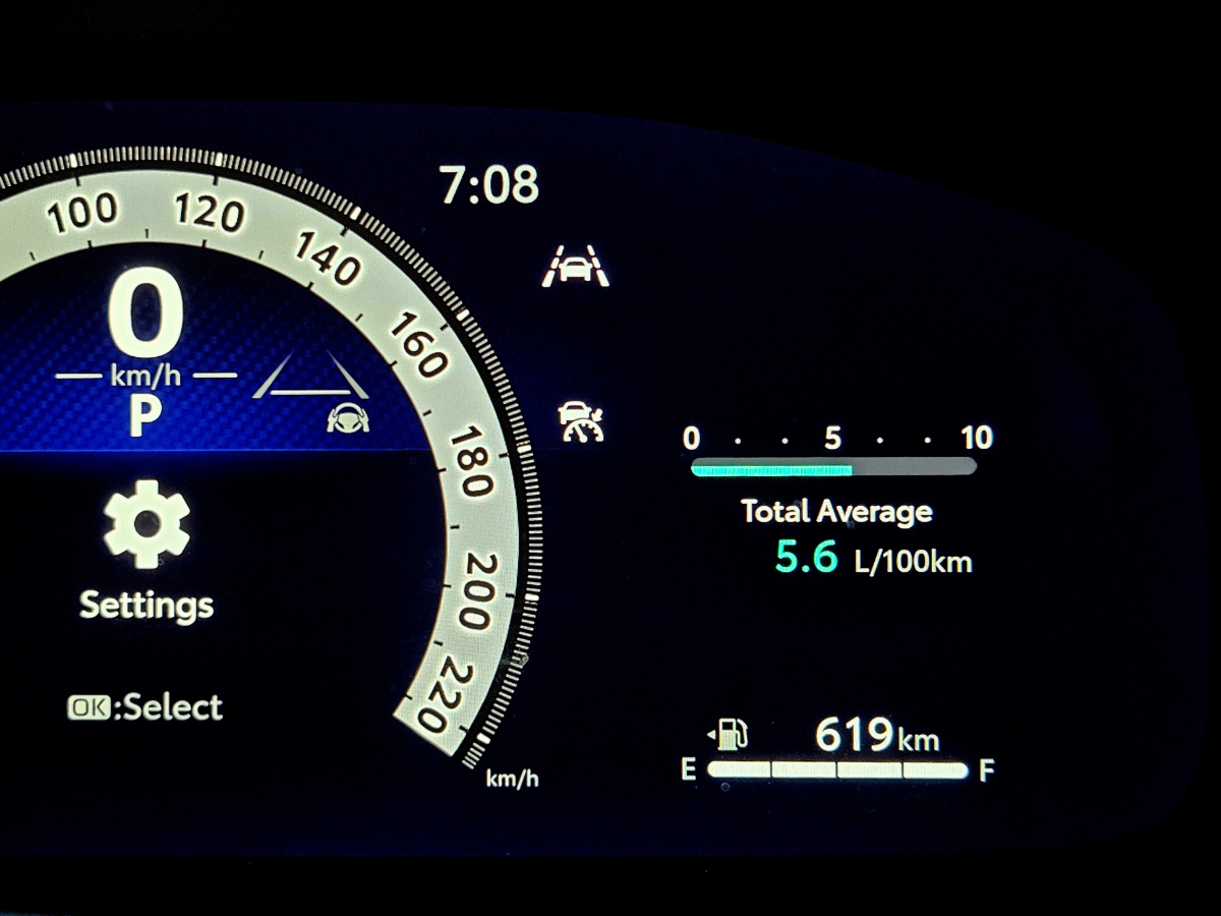
All a bit... theoretical, isn't it? Here's a way to put your skills to the test. Most modern cars (by which we mean up to 20 years, maybe older) have a trip computer that can calculate instant and average fuel consumption. Use it to test your fuel economy per tank during your normal week, or on indvidual trips (daily commutes?) by resetting in between, to see if you can do better on the same route as time goes on.
At DRIVEN Car Guide these are the little games we often play with review cars (yes, we're a bit tragic), but it's even more fun when you're dealing with your own vehicle over an extended period of time.
It's tempting to stare at the instant readout, but that's volatile (it goes from one extreme to the other in an instant) and a bit distracting. Display the average instead, and watch it tick up or down depending on how you're doing.
Sounds nerdy, right? You'll be surprised how addictive it is.
How much could I save? The world's your oyster. Modifying your driving style is hard to achieve but also good fun and satisfying. It's not hard to imagine making up that 20% economy gain just in this one area.
2. Remove the rack
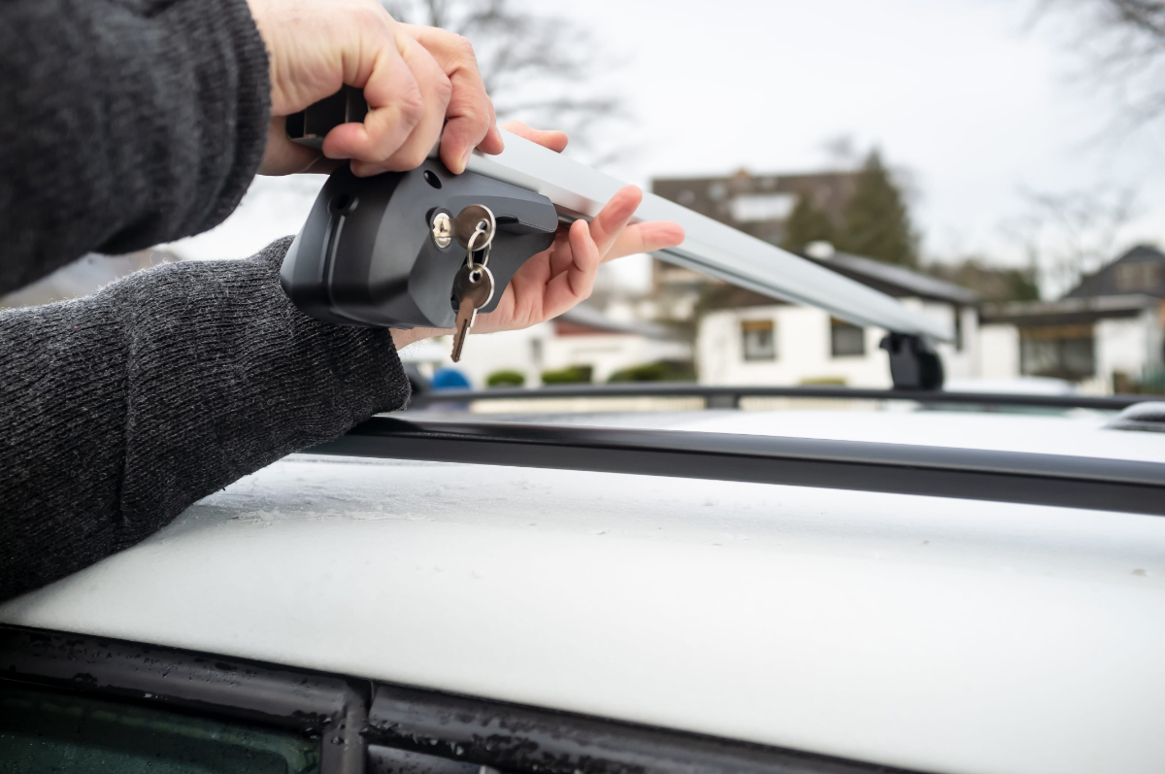
Roof racks are a real thing at the moment, especially those adventure-style trays that make you look like you're heading into the great unknown at any time.
Unfortunately, roof racks are also diabolical for aerodynamics, and forcing an unladen rack througn the air could be costing you an extra 2-10% in fuel (depending on exactly how blunt it is).
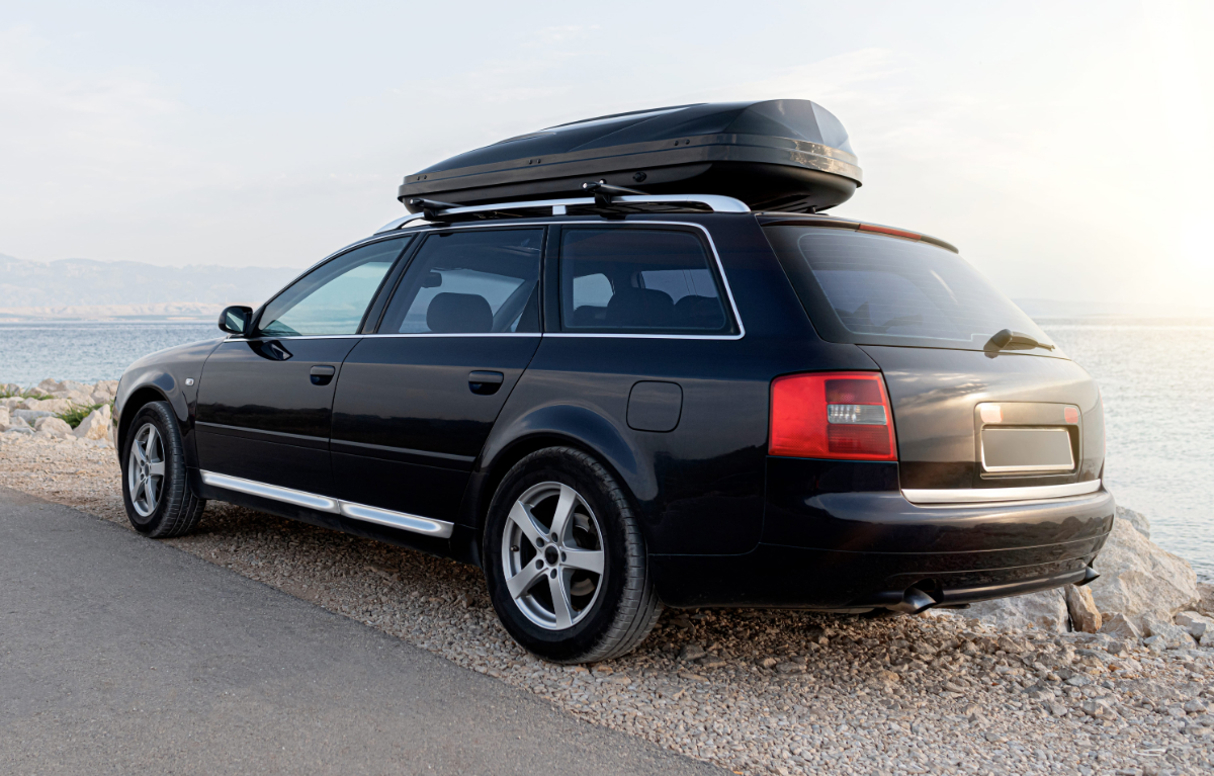
Worse, if you're carrying around a massive roof tent all the time, we might be talking 25% or more.
How much could I save? Anywhere from 2-25% depending on what shape your rack is and how loaded-up it is.
3. Check and adjust your tyre pressures

We keep going on about tyre pressures, but that's for a reason. They're really, really important. Under-inflated tyres adversely affect ride and handling, and therefore safety, and they'll cost you money even without considering fuel economy - simply because they wear out faster.
Tyres can deflate by 1-2% per month organically, so it's important to check and adjust them regularly. Find out evertything you need to know about that process here.
Confident with all that? You could even try increasing pressures from the manufacturer's recommendation by, say, 10% (but don't go overboard and don't exceed the maximum). Might help with economy, might also ruin your cushy ride. Experiment.
How much could I save? If your tyres are 10% under-inflated, correcting them could save 2% in fuel. But tyre company research shows that most are much worse than that, so 10% isn't out of the question.
4. Keep stop/start active, or be your own
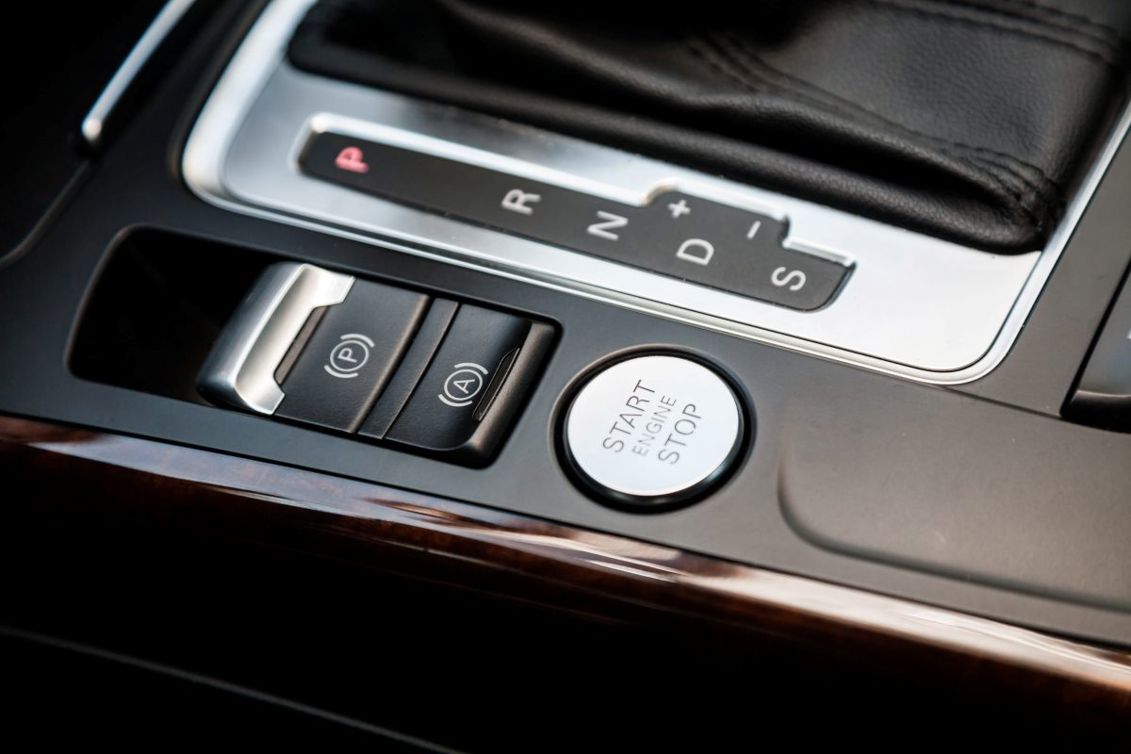
Stop/start is a feature in most modern cars, and most people dislike it. Yeah, it is kind of annoying if you're not driving a hybrid of some kind: the engine shuts down when you stop at an intersection, and when you want to go again you have to wait a moment for it to fire up.
But you know what? It absolutely saves fuel. So if you turn it off, you're burning petrol or diesel that you don't need to, simple as that. You're also adding to air pollution, especially in gridlock traffic where you might be stuck at an intersection for extended periods.
Even if your car doesn't have stop/start, it's not ridiculous to consider shutting the engine down yourself if you're stuck in traffic and it looks like you might not move for a minute or two. We're not suggesting you manually turn the engine on and off every few seconds, but why burn fuel if you're going nowhere for a while?
President Trump has moved to remove financial incentives for US carmakers that install stop/start. Not sure whether that helps you align one way or the other. Just saying.
How much could I save? A recent US Consumer Reports study quoting the Society of Automotive Engineers (SAE) stated savings of between 7.27% and 26.4% from automatic stop/start, depending on the driving situation.
5. Reduce weight
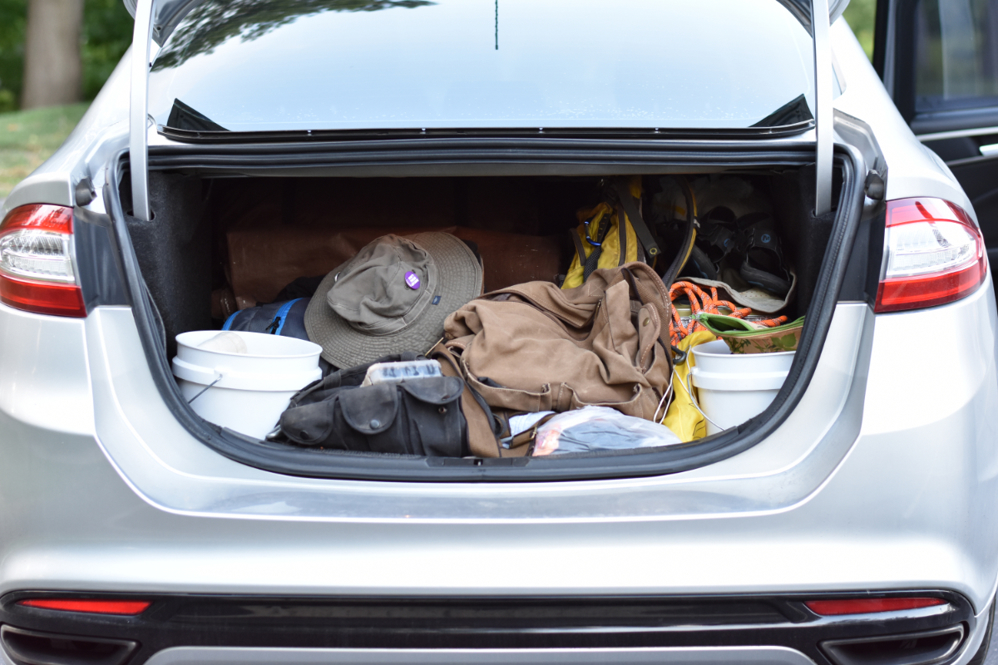
Too many of us use the household car as a storage device, especially if we're running kids around.
It's much easier to keep that stuff you think you might need after school later in the week in the boot than store it inside the house or garage, but it's a fact that every extra kg you're carting around requires extra energy to move.
How much could I save? Removing 50kg of weight could improve fuel economy by 1-2%.